
















































































































































































































































































The Essential Role of Protein in Your Pet's Diet

Overview
Understanding the importance of protein in your pet's diet is essential for their health and vitality. Quality protein sources, such as animal-based options, support muscle maintenance, energy levels, and immune function. By choosing the right protein and ensuring adequate intake, you can help your furry friend thrive and enjoy a long, active life.
Table of Contents
- Understanding Protein: The Building Block of Life
- The Importance of Quality Protein Sources
- Animal-Based Proteins
- Plant-Based Proteins
- How Much Protein Does Your Pet Need?
- Benefits of Adequate Protein Intake
- Signs of Protein Deficiency in Pets
- Choosing the Right Protein Sources for Your Pets
- The Takeaway: Crafting a High-Protein Diet for Your Furry Friend
Key Takeaways
- Protein is essential for your pet's overall health, influencing energy levels, muscle maintenance, and immune function.
- Animal-based proteins are the most complete sources, providing all essential amino acids; examples include chicken, turkey, and fish.
- Plant-based proteins can complement a pet's diet but should not be the primary source due to incomplete amino acid profiles.
- Daily protein requirements vary by pet type: adult dogs need 18-25%, while kittens require 30-35% of their diet from protein.
- Signs of protein deficiency include dull fur, muscle wasting, slow wound healing, and low energy levels.
- Choose high-quality protein sources that list meat as the primary ingredient and consider limited ingredient diets for pets with sensitivities.
- Consult your veterinarian to tailor the best diet for your pet's specific protein needs and overall health.
When it comes to the health and vitality of your furry friends, one vital nutrient stands out among the rest: protein. Your pet's diet significantly influences their overall health, energy levels, and well-being, making it crucial to understand the role of protein in your pet's diet. In this article, we'll dive deep into the world of protein, its benefits for pets, and how to choose the right protein sources for your beloved companions.
Understanding Protein: The Building Block of Life
Protein is often referred to as the building block of life, and for good reason. It plays a crucial role in various bodily functions, including:
- Building and repairing tissues
- Producing enzymes and hormones
- Supporting immune system function
- Maintaining muscle mass
- Providing energy during times of need
For pets, just like for humans, protein is essential for maintaining healthy muscles, skin, and coat. It serves as a vital source of energy during physical activity, ensuring that your pet remains active and playful.
The Importance of Quality Protein Sources
Not all protein sources are created equal. There are various types of protein, and the quality of these proteins can significantly affect your pet's health. Here are two main types of protein sources to consider:
Animal-Based Proteins
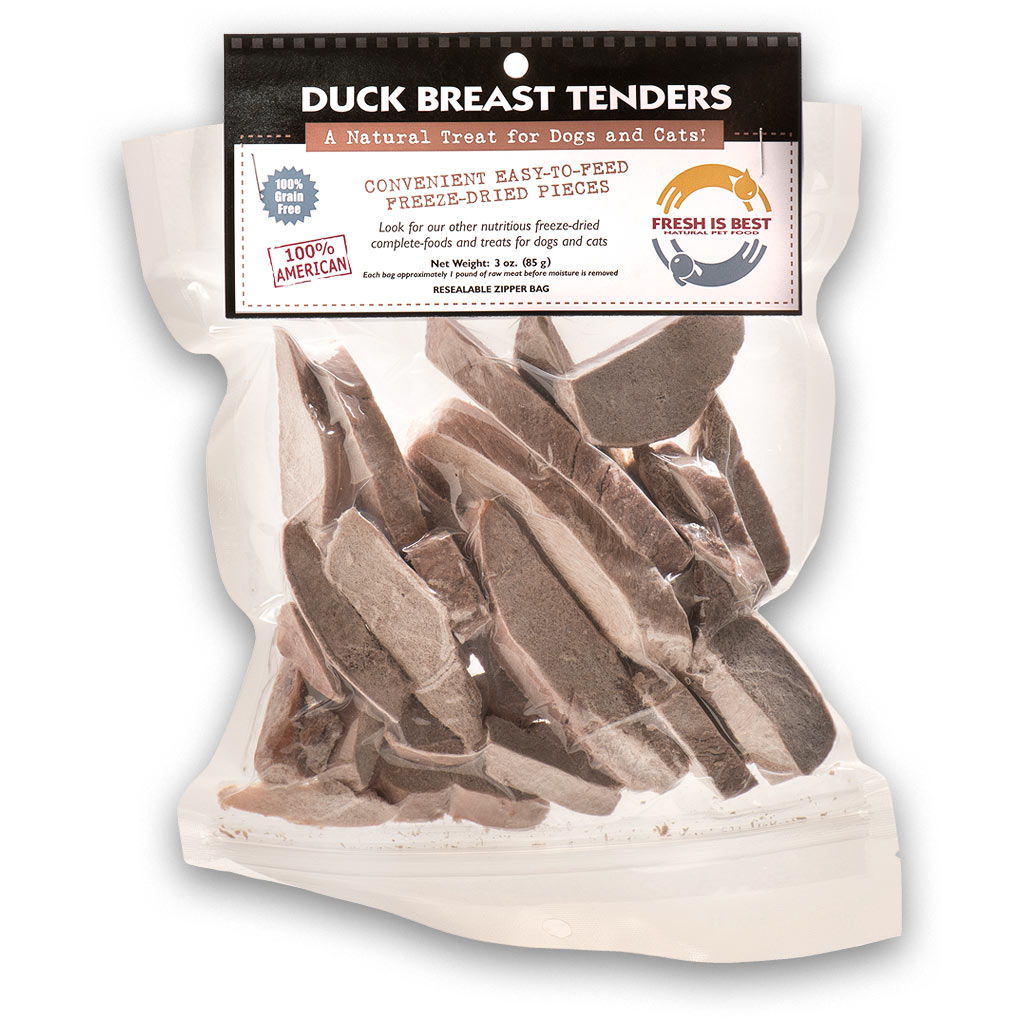
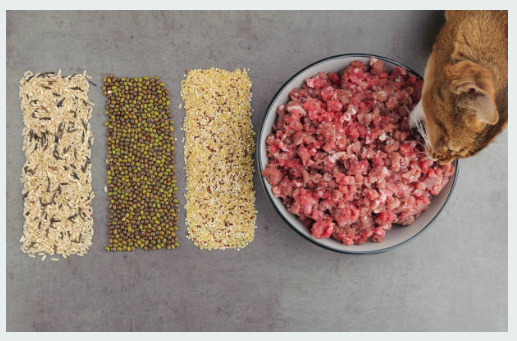
Animal-based proteins are often the most complete source of protein for pets. They contain all essential amino acids, which are crucial for your pet's health. Common animal-based protein sources include:
- Chicken
- Turkey
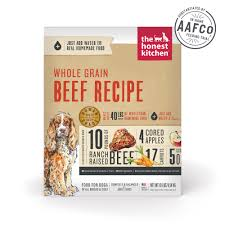
- Beef
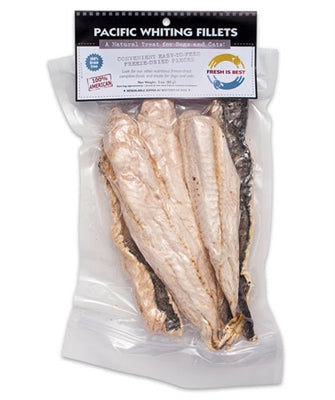
- Fish
- Lamb
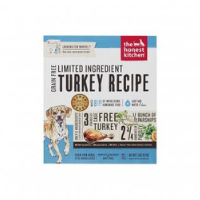
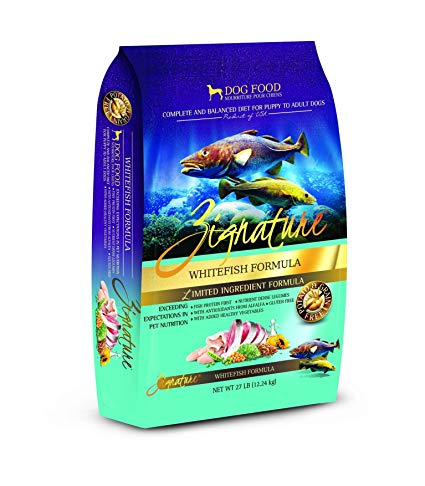
An excellent example of an animal-based protein is turkey, which not only provides high-quality protein but is also lower in fat compared to other meat sources. Zignature Turkey Dog Food is a fantastic example, offering a lean protein source that is also nutrient-rich, making it an ideal choice for dogs with food sensitivities.
Plant-Based Proteins
While animal-based proteins are typically high-quality, plant-based proteins can play a supportive role in your pet's diet. Common plant-based protein sources include:
- Legumes such as peas and chickpeas
- Quinoa
- Brown rice
- Potatoes
It's essential to note that while these sources can provide some protein, they often lack certain essential amino acids and should not be the primary protein source in your pet's diet.
How Much Protein Does Your Pet Need?
The required protein intake for pets can vary based on several factors, including age, size, activity level, and overall health. Here’s a basic guideline to consider:
| Pet Type | Daily Protein Requirement (% of diet) |
|---|---|
| Adult dogs | 18–25% |
| Puppies | 22–32% |
| Adult cats | 26–30% |
| Kittens | 30–35% |
As shown in the table, active pets (especially working dogs) might have higher protein requirements. Always consult with your veterinarian to determine the best protein intake for your pet's specific needs.
Benefits of Adequate Protein Intake
Ensuring your pet receives enough protein in their diet has numerous benefits, including:
- Healthy Growth: Young pets require adequate protein for healthy growth and development.
- Muscle Maintenance: Proper protein intake helps preserve lean muscle mass as pets age.
- Improved Coat Health: Protein aids in maintaining a shiny, healthy coat.
- Stronger Immune System: Amino acids from protein support various functions of the immune system.
- Enhanced Energy Levels: Protein serves as a source of energy, especially for active pets.
Signs of Protein Deficiency in Pets
A protein deficiency in your pet's diet can lead to various health problems. Here are some signs to watch for:
- Thin or dull fur
- Muscle wasting or weakness
- Slow healing of wounds
- Lower energy levels
- Increased susceptibility to infections
If you notice any of these signs, it's essential to consult a veterinarian to evaluate your pet's diet and make appropriate adjustments.
Choosing the Right Protein Sources for Your Pets
When selecting protein sources for your pet, consider the following:
- Quality: Look for high-quality, recognizable protein sources in the ingredient list. Choose foods that list meat as the primary ingredient.
- Single-Source Proteins: For pets with allergies or sensitivities, consider limited ingredient diets that focus on a single protein source, like Zignature Turkey Dog Food.
- Fresh/Whole Ingredients: Foods with whole ingredients often provide more nutrients and are generally more digestible.
- Balance: Ensure that your pet's diet is balanced, combining proteins, fats, and carbohydrates for optimal health.
The Takeaway: Crafting a High-Protein Diet for Your Furry Friend
Providing your pet with a diet rich in protein is essential for their health and vitality. It not only supports their growth and development but also enhances their overall quality of life. Whether it's through quality animal protein sources like turkey or combinations with plant-based proteins, ensuring a well-rounded protein intake will set your furry friend up for a long, healthy, and active life.
Remember, when in doubt, consult your veterinarian to tailor the best diet for your pet—and keep in mind that quality counts! A well-balanced diet rich in protein will lead to a more vibrant life for your beloved pet. Explore more about nutritious options like Zignature Turkey Dog Food that are perfect for your dog's dietary needs, combining great taste with excellent nutrition.
Frequently Asked Questions
1. Why is protein important for my pet's diet?
2. What are the best sources of protein for pets?
3. How much protein does my pet need daily?
4. What are the signs of protein deficiency in pets?
5. How can I choose the right protein sources for my pet?
Glossary
| Term | Meaning |
|---|---|
| Protein | A vital nutrient essential for growth, repair, and energy in pets. |
| Amino Acids | Building blocks of proteins, necessary for various bodily functions. |
| Animal-Based Proteins | High-quality protein sources from animals, containing all essential amino acids. |
| Plant-Based Proteins | Protein sources from plants, often lacking some essential amino acids. |
| Protein Deficiency | A lack of protein in the diet that can lead to health issues in pets. |
| Daily Protein Requirement | The recommended percentage of protein in a pet's diet, varying by type and age. |
| Single-Source Proteins | Dietary proteins from one specific source, useful for pets with sensitivities. |
| Balanced Diet | A diet that includes a proper mix of proteins, fats, and carbohydrates. |
| Zignature Turkey Dog Food | A specific dog food brand known for its high-quality turkey protein source. |
| Veterinarian Consultation | Seeking professional advice for tailored dietary needs of pets. |
Linked Product

Zignature Turkey Dry Dog Food
Zignature Turkey Dry Dog Food offers a grain-free, limited ingredient formula that is ideal for dogs with food sensitivities or picky appetites. Made primarily from turkey, this recipe is low in fat yet high in essential vitamins and minerals, promoting nutrient absorption and overall health. The inclusion of wholesome peas and chickpeas adds antioxidants and fiber, making it a nutritious choice for your pet's diet.
View Product
No comments
0 comments