










































































































































































































































































NEW ARRIVALS







Mastering Nutrient Balance in Raw Pet Food

Overview
As pet owners increasingly turn to raw diets for their furry companions, understanding how to create a balanced meal plan is essential. This guide provides practical tips on incorporating a variety of proteins, organ meats, fruits, and healthy fats to meet your pet's nutritional needs. With careful preparation and knowledge, you can ensure your pets thrive on a wholesome raw food diet.
Table of Contents
- Understanding Raw Pet Food
- Why Balancing Nutrients Matters
- Nutrient Breakdown
- DIY Raw Food Tips
- 1. Choose a Variety of Proteins
- 2. Incorporate Organ Meats
- 3. Add Fruits and Vegetables
- 4. Don’t Forget Healthy Fats
- 5. Use Supplements Wisely
- Transitioning to Raw Food
- The Importance of Food Safety
- Choosing the Right Raw Food Brand
- Conclusion: A Happy Balance for a Happy Pet
Key Takeaways
- Raw pet food consists of uncooked animal proteins, fruits, and vegetables, mimicking a natural diet.
- Balancing nutrients is crucial to prevent health issues and ensure optimal energy levels for pets.
- Include a variety of protein sources like chicken, beef, and organ meats to provide complete nutrition.
- Fruits and vegetables are essential for vitamins and antioxidants; consider options like carrots and spinach.
- Healthy fats, such as fish oil and flaxseed oil, contribute to a shiny coat and overall health.
- Transitioning to a raw diet should be gradual; monitor your pet's health and consult a vet if needed.
- Choose high-quality raw food brands that prioritize safety and balanced nutrition for your pet.
When it comes to providing your furry friends with a healthy diet, the conversation surrounding raw pet food has gained considerable momentum in recent years. Pet owners around the world are becoming increasingly interested in the benefits of a raw diet, with its promise of wholesome and nutritious ingredients. Balancing nutrients in raw pet food, however, requires a bit of effort and understanding. In this guide, we'll walk you through the basics of creating a balanced raw food diet for your pets, ensuring they get everything they need to thrive.
Understanding Raw Pet Food
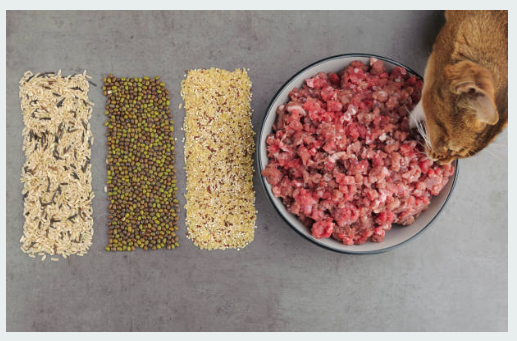
Raw pet food is precisely what it sounds like: a diet consisting of uncooked animal protein, fruits, and vegetables. This type of diet aims to mimic what your pets might eat in the wild. An essential aspect of feeding raw diets is to ensure that they're nutritionally balanced, which requires a certain level of knowledge about the needs of your pet, particularly in terms of macronutrients and micronutrients.
Why Balancing Nutrients Matters
Feeding your pet a raw diet provides numerous advantages, including better digestion, healthier skin and coat, and more energy. However, a poorly balanced diet can lead to nutritional deficiencies or excesses. Here's why balancing nutrients is paramount:
- Optimal Health: A well-rounded diet will minimize health issues, ensuring your pet lives a longer and healthier life.
- Energy Levels: Proper nutrient balance results in energy levels that match your pet's activity, helping maintain an ideal weight.
- Avoid Nutritional Imbalances: While certain ingredients may seem healthy, too much or too little of any nutrient can have negative impacts on health.
Nutrient Breakdown
To create a balanced raw diet, understanding the different types of nutrients is essential. Here’s a brief overview of the primary nutrients your pet needs:
| Nutrient | Function | Sources |
|---|---|---|
| Proteins | Builds and repairs tissues, produces enzymes and hormones | Meat, poultry, fish, eggs |
| Fats | Provides energy, supports cell growth, aids in nutrient absorption | Animal fats, fish oil, flaxseed oil |
| Carbohydrates | Provides energy, aids digestion | Fruits, vegetables, grains (in moderation) |
| Vitamins | Supports immune function, energy levels, and overall health | Leafy greens, fruits, organ meats |
| Minerals | Builds bones, teeth, and plays a role in metabolic processes | Meat, minerals supplements, eggs |
DIY Raw Food Tips
If you're considering making your own raw pet food, here are some tips to help you balance nutrients effectively:
1. Choose a Variety of Proteins
Using multiple protein sources ensures that your pet receives a complete amino acid profile. For instance, you can mix chicken, beef, pork, and even rabbit, which is a great source of protein with essential fatty acids. Remember that Primal dog food incorporates high-quality proteins wrapped in organic produce, promoting a balanced intake of nutrients.
2. Incorporate Organ Meats
Using organ meats like liver and heart is vital for supplying necessary nutrients like B vitamins, iron, and other trace minerals. These ingredients are often overlooked but should be included in any raw diet.
3. Add Fruits and Vegetables
Fruits and vegetables can be an excellent source of vitamins and antioxidants. Some popular choices include:
- Carrots
- Spinach
- Blueberries
- Broccoli
- Squash
Additionally, many raw pet foods, such as those produced by Primal, already contain organic fruits and vegetables to simplify your meal preparation.
4. Don’t Forget Healthy Fats
Healthy fats are essential for a shiny coat and healthy skin. Consider incorporating fish oil, flaxseed oil, or organic coconut oil into your pet’s meals for those necessary omega fatty acids.
5. Use Supplements Wisely
While a balanced diet can often meet the nutritional needs of pets, some may benefit from supplementation, especially those on a strict raw diet. Consult a veterinarian when considering any supplements to ensure they're appropriate for your pet's specific needs.
Transitioning to Raw Food
Transitioning your pet to a raw food diet can be a gradual process. Start by mixing a small amount of raw food with their current diet and slowly decrease the original food over the weeks. Monitor your pet closely to ensure they adapt well, and always consult with your veterinarian if you notice any significant changes in their health or behavior.
The Importance of Food Safety
Handling raw meat comes with specific safety considerations. Here are some essential food safety tips to keep in mind:
- Wash Hands and Surfaces: Always wash your hands and the surfaces used to prepare raw food thoroughly after each use.
- Keep Raw and Cooked Separate: Store and handle raw food separately from cooked foods to avoid cross-contamination.
- Store Properly: Always keep raw pet food frozen until you're ready to use it. When thawing, do so in pre-portioned containers, and remember that once thawed, it should be used within a few days.
Choosing the Right Raw Food Brand
When selecting a raw food brand, look for those that prioritize quality ingredients and provide balanced meals. Brands like Primal produce diets that combine high-quality proteins with organic produce, making feeding your pet easy and nutritious. Always check for certifications that indicate the product was manufactured to safety and quality standards.
Conclusion: A Happy Balance for a Happy Pet
Balancing nutrients in raw pet food is a rewarding journey toward ensuring your pets lead vibrant and healthy lives. As you embrace the raw diet, remember to maintain variety, incorporate organ meats, and consult a vet for any specific needs. With a little effort, you can provide your beloved companions with a balanced diet that nourishes their bodies and supports their well-being. It’s your commitment that can make a significant difference in their health. Start today, and give your pets the gift of nutritious meals!
Frequently Asked Questions
1. What is raw pet food?
2. Why is balancing nutrients in raw pet food important?
3. What types of nutrients are essential for a balanced raw diet?
4. How can I effectively transition my pet to a raw food diet?
5. What safety tips should I follow when handling raw pet food?
Glossary
| Term | Meaning |
|---|---|
| Raw Pet Food | Uncooked animal protein, fruits, and vegetables designed to mimic a natural diet. |
| Nutrients | Essential substances needed for growth, energy, and overall health. |
| Macronutrients | Major nutrients required in large amounts: proteins, fats, and carbohydrates. |
| Micronutrients | Vitamins and minerals needed in smaller amounts for various bodily functions. |
| Balanced Diet | A diet that provides all necessary nutrients in appropriate proportions. |
| Organ Meats | Animal organs like liver and heart, rich in essential nutrients. |
| Supplements | Additional nutrients provided to enhance dietary intake, often after consulting a vet. |
| Cross-Contamination | Transfer of harmful bacteria from raw to cooked food, posing health risks. |
| Food Safety | Practices to handle and prepare food that minimize the risk of foodborne illnesses. |
| Veterinarian | A professional who provides medical care for animals and can advise on diets. |
Linked Product

Primal Raw Frozen Rabbit Dog Food
Primal Raw Frozen Rabbit Dog Food offers a complete and balanced raw diet for dogs, eliminating the need for preparation like grinding or chopping. Made with high-quality rabbit and certified organic produce, it provides essential vitamins and superior levels of amino and fatty acids. This product is designed for easy thaw-and-serve convenience, ensuring optimal nutrition for your canine companion.
View Product
No comments
0 comments