





















































































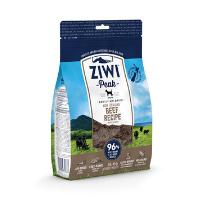
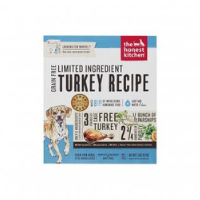
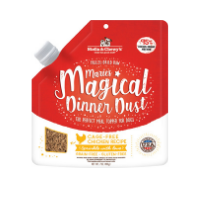
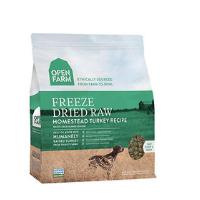


















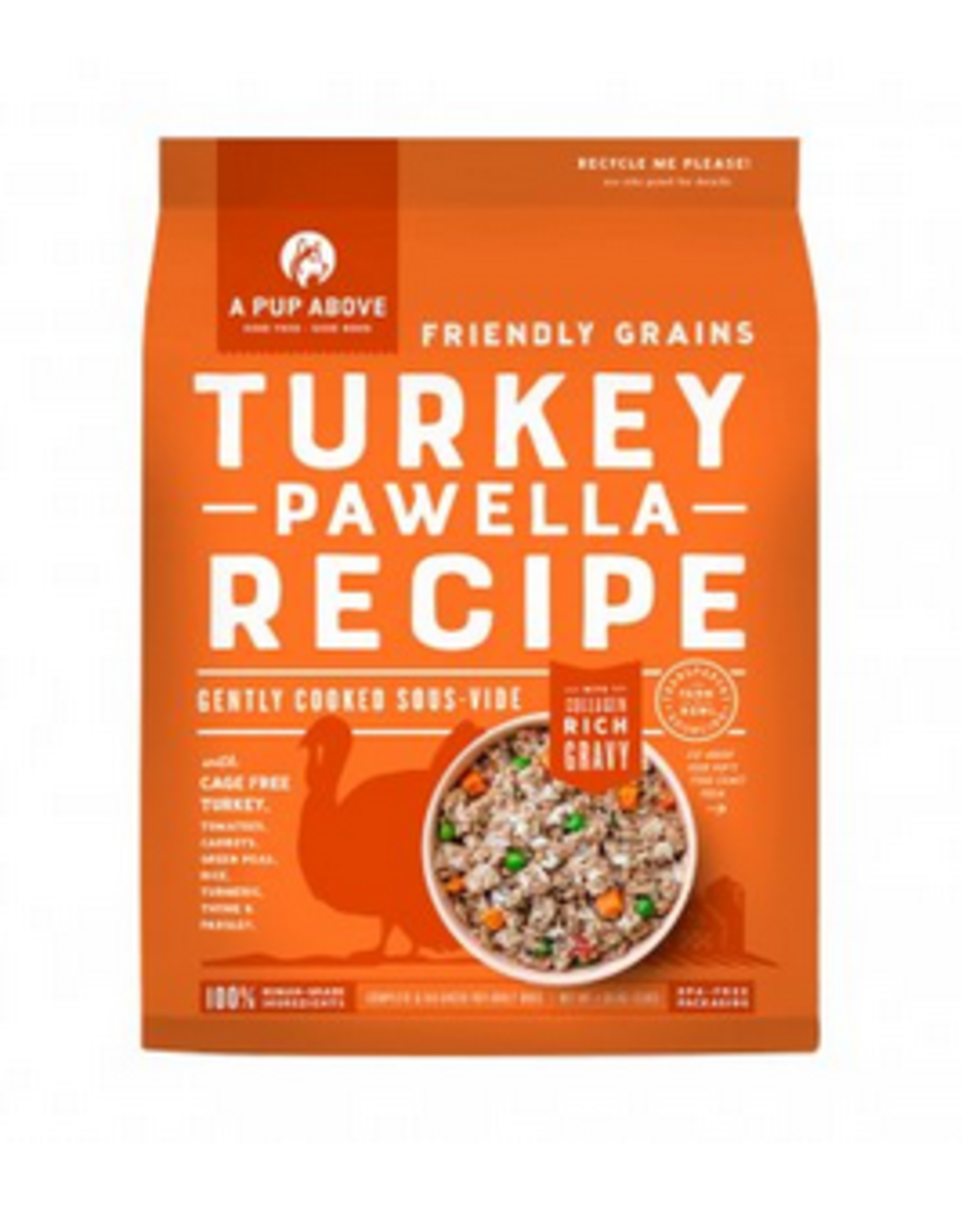
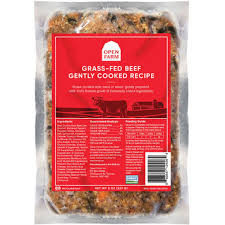
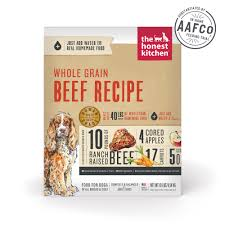
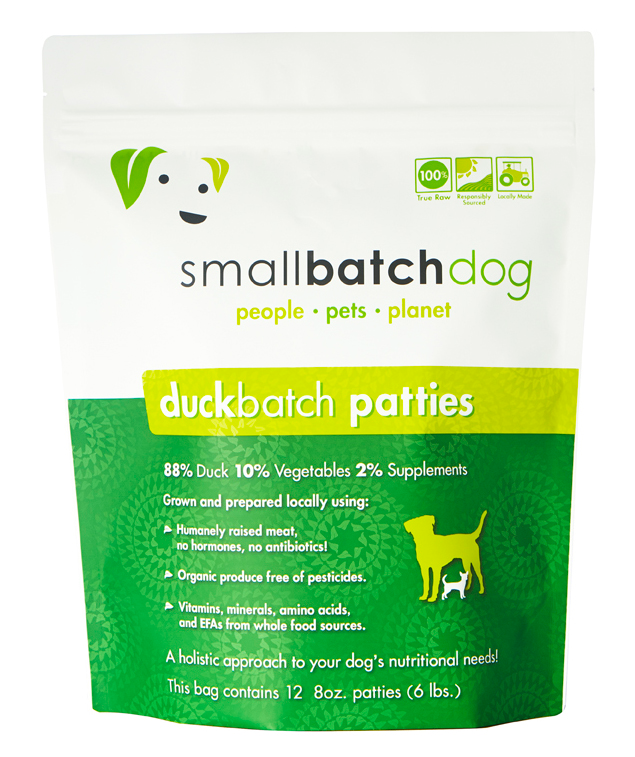











































































































































































































NEW ARRIVALS








Raw Diet vs. Kibble: Which is Best for Your Pup?

Overview
Choosing the right diet for your dog can be challenging, especially when weighing the benefits of raw diets against kibble. Raw diets offer natural ingredients and potential health improvements, while kibble provides convenience and balanced nutrition. Understanding the pros and cons of each option will help you make an informed decision that best suits your dog's needs and your lifestyle.
Table of Contents
- The Raw Diet Dilemma
- The Pros of Raw Diets
- Potential Pitfalls of Raw Diets
- Understanding Kibble
- The Benefits of Kibble
- Challenges with Kibble
- Comparative Nutritional Insights
- Is Sensitive Stomach Dog Food the Answer?
- Raw Diet Considerations
- Kibble for Sensitive Stomachs
- Making the Right Choice for Your Dog
- Join the Pet Nutrition Conversation!
Key Takeaways
- Raw Diet Benefits: Raw diets can enhance digestibility, improve skin health, and increase energy levels in dogs.
- Raw Diet Risks: Potential issues include bacterial contamination, high costs, and possible nutritional imbalances without proper planning.
- Kibble Advantages: Kibble offers convenience, affordability, and a balanced nutrient profile, making it a popular choice for many pet owners.
- Kibble Drawbacks: Quality can vary significantly among brands, and high-heat processing may reduce nutrient content.
- Individual Needs Matter: The choice between raw diets and kibble should be based on your dog's specific health needs and lifestyle.
- Consult Your Vet: Always seek veterinary advice, especially for dogs with sensitive stomachs or specific health concerns.
- Mixing Diets: Some pet owners successfully combine raw diets with kibble to reap the benefits of both.
As pet owners, we often find ourselves debating the best diet for our furry friends. Two popular options are raw diets and kibble. Each has its own proponents and features, making it essential to examine the pros and cons of each to help you choose the perfect culinary path for your dog. In this comprehensive analysis, we’ll embark on a journey comparing raw diets and kibble, providing an elaborate overview that includes nutritional insights, practical considerations, and even some engaging tidbits about sensitive stomach dog food. Let’s dig in!
The Raw Diet Dilemma
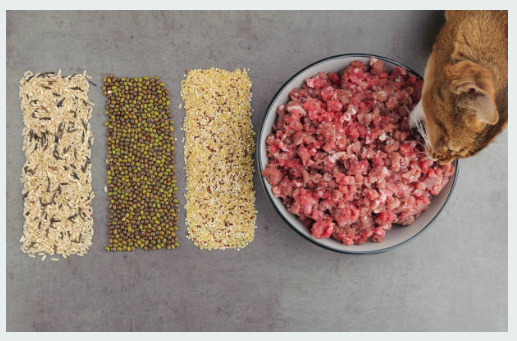
Raw diets typically consist of uncooked meat, bones, organs, and sometimes vegetables and fruits. They aim to mimic the natural diet of wild canines and are thought to offer a more nutritious alternative to processed dog food. Here are some key points about raw diets:
- Natural Ingredients: Raw diets are focused on whole, fresh foods, which can be appealing for health-conscious dog owners.
- Higher Nutritional Value: Many advocates believe that raw diets can lead to improved coat condition, dental health, and overall vitality.
- Customizable: You can tailor a raw diet to specifically meet your dog’s needs, including ingredients that cater to sensitive stomachs.
The Pros of Raw Diets
The advantages of feeding your pet a raw diet can be enticing, which include:
- Enhanced Digestibility: Many dog owners assert that raw diets are easier for dogs to digest, particularly those with sensitive stomachs.
- Improved Skincare: Raw diets often result in healthier skin and shinier coats, a benefit many pups will proudly flaunt.
- Increased Energy Levels: Dogs fed a raw diet often exhibit more energy, vitality, and enthusiasm during play.
Potential Pitfalls of Raw Diets
While raw diets may seem like the perfect answer, there are some concerns to be aware of:
- Risk of Bacterial Contamination: Raw meats carry a risk of pathogens like Salmonella and E. coli that can affect both dogs and humans.
- Cost and Accessibility: Sourcing high-quality raw ingredients can be expensive and more challenging compared to purchasing kibble.
- Imbalanced Nutrition: Without careful planning, it’s easy to create a diet that lacks essential nutrients, potentially leading to digestive disruptions.
Understanding Kibble
Kibble is a staple in dog food today, presenting convenience, affordability, and a specific balance of nutrients. Here’s a closer look at why kibble is a prevalent choice:
The Benefits of Kibble
- Convenience: Kibble is easy to store, measure, and serve, making it an effortless choice for pet owners with busy lifestyles.
- Nutritional Formulation: Many kibble brands aim to provide a complete and balanced diet with necessary nutrients, including those required for dogs with sensitive stomachs.
- Cost-Effectiveness: Kibble is generally less expensive compared to raw diets, and bulk purchases can save even more money.
Challenges with Kibble
While kibble has its advantages, it’s essential to recognize some of its drawbacks:
- Quality Variability: The market is flooded with kibble options, and not all brands provide the same vitamin and mineral balance. It’s crucial to choose high-quality options.
- Processing Issues: The high-heat processing used in kibble production could destroy nutrients, and sometimes artificial preservatives are added.
- Possible Allergens: Some dogs may be sensitive to certain ingredients common in kibble, such as grains and by-products, leading to digestive upset.
Comparative Nutritional Insights
It's vital to understand the nutritional differences between raw diets and kibble. The following table outlines key nutritional components common in each dietary style:
| Nutritional Component | Raw Diet | Kibble |
|---|---|---|
| Protein Source | Natural meat, organs, and bones | Meat meal, by-products, grains |
| Carbohydrates | Minimal or none | Often grains or starches |
| Fats | Natural fats from meat | Often supplemented with oils |
| Fiber | Varied, depending on fruits and veggies | Added fiber from grains |
| Vitamins & Minerals | Natural sources | Fortified with synthetic additives |
Is Sensitive Stomach Dog Food the Answer?
For dogs with sensitive stomachs, selecting the right diet is crucial. Both raw diets and kibble can cater to different sensitivities but in distinct ways. Here’s how you can address this issue:
Raw Diet Considerations
If considering a raw diet, ensure the protein sources do not include ingredients known to cause allergies for your pup. You may want to start with single-source proteins (like turkey or lamb) and observe how your dog reacts.
Kibble for Sensitive Stomachs
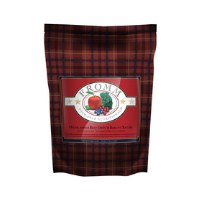
On the other hand, if kibble is your choice, there are specific formulations crafted for dogs with sensitivity issues. For example, sensitive stomach dog food often contains hydrolyzed proteins, digestible grains, and omega fatty acids that can aid in digestion. The Fromm Four Star Nutritionals Sensitive Skin & Stomach Salmon & Whole Oats Recipe embodies this approach by utilizing hydrolyzed proteins and omega-3 fatty acids, both of which tender the digestive process.
Making the Right Choice for Your Dog
Ultimately, the decision between raw diets and kibble comes down to your dog's individual needs, your lifestyle, and your comfort level with food preparation. Here are some tips to ease your choice:
- Evaluate Your Pup's Health: Consult your veterinarian, especially if your dog has a sensitive stomach or specific health issues.
- Observe Your Dog: Pay attention to how your dog responds to different foods, including their energy levels, coat quality, and overall satisfaction.
- Explore Both Options: Some pet owners choose to mix raw diets with kibble or rotate between them to balance benefits.
Join the Pet Nutrition Conversation!
Regardless of which diet you choose, it’s essential to stay informed about the latest in pet nutrition, keep abreast of innovative dietary options, and engage with fellow pet owners. Share your experiences, ask questions, and learn from others who have navigated similar challenges with their pets. There’s no one-size-fits-all solution when it comes to our furry friends, but surrounding ourselves with knowledge and support can go a long way in ensuring we make the best choices.
In the end, your dog’s joy and vitality will shine through in their health, happiness, and behavior. So, whether you lean towards raw diets or kibble, understanding the nuances will empower you to provide your beloved companion with the nourishment they deserve. Here's to happy tails and healthy battles!
Frequently Asked Questions
1. What are the primary components of a raw diet for dogs?
2. What are the advantages of feeding a dog a raw diet?
3. What are the potential risks associated with raw diets for dogs?
4. Why is kibble a popular choice for dog owners?
5. How can I choose the right diet for my dog if they have a sensitive stomach?
Glossary
| Term | Meaning |
|---|---|
| Raw Diet | A feeding approach using uncooked meat, bones, and organs to mimic wild canines' natural diet. |
| Kibble | Processed dog food in dry form, offering convenience and a balanced nutrient profile. |
| Sensitive Stomach | A condition where dogs experience digestive upset from certain foods. |
| Enhanced Digestibility | A benefit of raw diets claimed to improve how easily dogs can process food. |
| Hydrolyzed Proteins | Proteins broken down into smaller parts to reduce allergenic potential in sensitive diets. |
| Natural Ingredients | Whole, fresh foods used in raw diets, appealing to health-conscious pet owners. |
| Cost-Effectiveness | The affordability of kibble compared to raw diets, especially in bulk. |
| Quality Variability | The inconsistency in nutrient balance across different kibble brands. |
| Imbalanced Nutrition | A potential risk in raw diets if not carefully planned, leading to nutrient deficiencies. |
| Veterinarian Consultation | Seeking professional advice regarding your dog's dietary needs and health issues. |
Linked Product

Fromm Four Star Nutritionals Sensitive Skin & Stomach Salmon & Whole Oats Recipe Dry Dog Food
Fromm Four Star Nutritionals Sensitive Skin & Stomach Salmon & Whole Oats Recipe Dry Dog Food is designed to support dogs with sensitive skin and digestive issues. This recipe features hydrolyzed proteins, omega-3 and omega-6 fatty acids, and dietary fiber to promote overall skin, coat, and digestive health for dogs of all life stages. The inclusion of wholesome ingredients like salmon, whole oats, and pumpkin helps ensure a balanced diet tailored to sensitive needs.
View Product
No comments
0 comments