











































































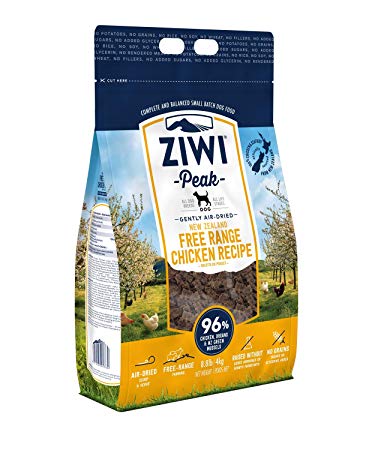



























































































NEW ARRIVALS




Mastering Pet Food Labels: A Guide for Pet Owners

Overview
Understanding how to read pet food labels is crucial for providing optimal nutrition for your pets. Key components include the ingredient list, guaranteed analysis, nutritional adequacy statement, feeding guidelines, and additives. Assess your pet's specific needs, prioritize high-quality ingredients, transition diets gradually, and regularly re-evaluate their food choices. Stay informed about dietary trends and consult your veterinarian for special diets. Making informed decisions helps improve your pet's health and quality of life.
Table of Contents
- The Importance of Reading Pet Food Labels
- Components of Pet Food Labels
- 1. Ingredient List
- 2. Guaranteed Analysis
- 3. Nutritional Adequacy Statement
- 4. Feeding Guidelines
- 5. Additives and Preservatives
- How to Choose the Right Food
- 1. Assess Your Pet's Needs
- 2. Know Your Ingredients
- 3. Transition Gradually
- 4. Regularly Re-evaluate Your Choices
- Understanding Special Diets
- 1. Grain-Free vs. Grains
- 2. Veterinary Diets
- Common Misconceptions About Pet Food Labels
- 1. All Natural Means Quality
- 2. By-Products are Always Bad
- Staying Informed
- Your Pet’s Health Journey
Key Takeaways
- Understand Ingredient Lists: Look for whole proteins at the top of the ingredient list, avoiding vague terms like "meat by-products."
- Check Guaranteed Analysis: Ensure the food meets minimum nutrient levels, particularly protein and fiber, for a balanced diet.
- Verify Nutritional Adequacy: Choose foods that meet AAFCO standards, specifying suitability for your pet's life stage.
- Follow Feeding Guidelines: Use feeding recommendations as a starting point, adjusting based on your pet's specific needs.
- Be Cautious with Additives: Prefer natural preservatives like tocopherols over artificial ones to avoid potential health issues.
- Assess Your Pet's Unique Needs: Consult a veterinarian to create a tailored diet plan based on your pet's age, weight, and health.
- Transition Diets Gradually: Change your pet's food slowly to prevent digestive upset, mixing new food with the old over a week.
When it comes to feeding your pets, a quick glance at the packaging may not be enough to ensure you're providing the best nutrition available. Understanding how to read dog and cat food labels effectively is essential for making informed decisions about your furry friends’ diets. In this comprehensive guide, you will learn key components of pet food labels, how to interpret nutritional information, and how to choose the right food for your beloved pets. Let's dive right in!
The Importance of Reading Pet Food Labels
Every pet owner wants the best for their pets, but with countless options available in the market, it can be overwhelming. Reading and understanding food labels are vital components of purchasing the right food that fits your pet's needs. Labels provide essential information regarding the ingredients, nutritional content, and any added benefits that a particular pet food may offer.
By learning to read these labels effectively, you can ensure that your pet is receiving balanced nutrition, making informed choices, and possibly even saving money in the long run by avoiding inappropriate or low-quality foods.
Components of Pet Food Labels
1. Ingredient List
The ingredient list is one of the most crucial components of any pet food label. Ingredients are listed in descending order by weight, meaning the first few entries are the most significant in the formulation. Look for whole proteins at the top of the list. Ideally, you want to see named meat sources, such as “chicken,” “beef,” or “lamb,” instead of vague terms like “meat by-products” or “animal meal.”
For example, if you’re considering lamb canned cat food, check if the label begins with “lamb” followed by other high-quality ingredients. The fewer fillers and low-quality ingredients listed, the better!
2. Guaranteed Analysis
Located typically on the back or side of the bag, the guaranteed analysis provides a breakdown of the minimum or maximum levels of certain nutrients in the food, such as protein, fat, fiber, and moisture. This section is essential for ensuring that your pet is receiving a balanced diet.
For instance, a food that contains at least 25% protein is generally considered a good source of protein. It’s also important to note the maximum levels of fiber to ensure your pet’s digestive health.
3. Nutritional Adequacy Statement
This statement indicates whether the food meets the nutritional standards established by the Association of American Feed Control Officials (AAFCO). AAFCO statements should specify which life stage the food is suitable for—puppy, adult, or all life stages. Choosing foods that meet the AAFCO standards ensures you are feeding a diet that’s complete and balanced.
4. Feeding Guidelines
Feeding guidelines vary widely between brands and types of pet food. They provide recommendations on how much food to give your dog or cat based on their weight and age. Keep in mind that these are general recommendations, and your pet's specific needs may differ based on their activity level, health conditions, and age.
5. Additives and Preservatives
Look out for any additives in the food; some preservatives are beneficial, while others can be harmful. Natural preservatives like tocopherols (vitamin E) are preferable compared to artificial variants, which can cause allergies or other health issues in some pets. Pay attention to the shelf life as well; a shorter shelf life can indicate fresher ingredients.
How to Choose the Right Food
Choosing the right food for your dog or cat can seem daunting, but it can get easier with the right approach. Here are some guidelines to help you make an informed choice:
1. Assess Your Pet's Needs
Each pet has unique needs based on their age, weight, breed, and overall health. Puppies and kittens have different nutritional requirements than adult pets. Consider consulting with a veterinarian to develop a tailored diet plan for your pet’s particular needs.
2. Know Your Ingredients
Having a basic understanding of the ingredients can simplify your decision-making process. Familiarize yourself with which ingredients contribute positively to your pet's diet. Whole, high-quality protein sources should be the priority, with whole grains and vegetables following. Avoid foods with excessive fillers, as they provide little nutritional value.
3. Transition Gradually
If you’re changing your pet’s diet, make sure to do it gradually. A sudden switch in food can lead to digestive upset. Mix a small amount of the new food with the old one, gradually increasing the new food's proportion over a week or so.
4. Regularly Re-evaluate Your Choices
Your pet's dietary needs can change over time. Regularly re-evaluate their food as they age, gain weight, or experience health changes. It’s important to adapt their diet accordingly. Just like humans, pets have unique requirements that evolve with their life stages.
Understanding Special Diets
Some pets may require special diets due to health issues like allergies, obesity, or other medical concerns. If your pet has specific dietary needs, understand how to read labels that cater to those needs.
1. Grain-Free vs. Grains
Grain-free diets have become popular due to concerns about grain allergies or sensitivities in pets. However, not all pets require grain-free diets, and some may benefit from whole grains in their food. Always consult with a veterinarian before making significant dietary changes based on these trends.
2. Veterinary Diets
Foods specifically designed for veterinary use often require a vet's prescription. These diets are formulated to treat specific health conditions and should not be used unless recommended by a healthcare professional. Reading the label ensures that any food you choose aligns with your pet’s health requirements.
Common Misconceptions About Pet Food Labels
With the abundance of information available, misconceptions can easily arise. Here are a few to clear up:
1. All Natural Means Quality
The term ‘natural’ does not always mean high-quality. Ingredients labeled as “natural” can still be harmful, depending on their source. It's essential to focus on how the whole food aligns with your pet's needs rather than relying solely on marketing terms.
2. By-Products are Always Bad
Pet food by-products can be misunderstood. While some by-products are of lower quality, others are high in nutrient value. It's essential to look at the specific types of by-products and how they fit into the overall nutrition your pet requires.
Staying Informed
The pet food industry is ever-evolving, with new guidelines, trends, and products continually being developed. Staying informed about these changes can be beneficial to your pet's health and wellbeing. Make it a habit to read up on sector news, attend workshops, or engage with pet owners' forums to stay updated.
Your Pet’s Health Journey
Your pet's nutrition significantly impacts their overall health, increasing their longevity and quality of life. By mastering how to read pet food labels effectively, you empower yourself to make food choices that support your furry companions’ well-being. Taking the time to investigate, compare, and regularly assess your pet's food helps ensure you're on the right track toward a healthier lifestyle for them.
As a conscientious pet owner, you'll find that an informed approach to pet food labels makes all the difference. Be proactive in seeking the best possible diet for your furry family members and help them thrive for years to come!
Frequently Asked Questions
1. Why is it important to read pet food labels?
2. What should I look for in the ingredient list of pet food?
3. What does the guaranteed analysis on pet food labels indicate?
4. What is the purpose of the nutritional adequacy statement on pet food labels?
5. How should I transition my pet to a new diet?
Glossary
| Term | Meaning |
|---|---|
| Ingredient List | A list of components in pet food, ordered by weight. |
| Guaranteed Analysis | Details minimum/maximum nutrient levels in the food. |
| Nutritional Adequacy Statement | Indicates if food meets AAFCO standards for nutrition. |
| Feeding Guidelines | Recommendations on how much food to give pets. |
| Additives | Substances added to enhance food quality or shelf life. |
| Grain-Free Diet | A diet without grains, often for pets with sensitivities. |
| Veterinary Diets | Specialized pet food requiring a veterinarian's prescription. |
| Whole Proteins | Named meat sources that are primary ingredients in food. |
| Fillers | Low-quality ingredients that provide little nutritional value. |
| Natural Preservatives | Substances like vitamin E that help maintain freshness. |
Linked Product

Fromm Four-Star Pâté Lamb 5oz Canned Cat Food
Fromm Four-Star Pâté Lamb 5oz Canned Cat Food features finely minced lamb cooked in broth, catering to the preferences of finicky cats with its unique texture. This product is free from artificial colors, flavors, or preservatives, providing a wholesome option for pet owners. Additionally, it is interchangeable with other Four-Star can and dry recipes, allowing for versatile feeding options.
View Product

No comments
0 comments