




































































































































































































































NEW ARRIVALS

Ultimate Guide to Feeding Your Puppies and Kittens

Overview
When bringing a new puppy or kitten home, ensure they receive proper nutrition for healthy growth. Key points include understanding their unique dietary needs (high-quality proteins, fats, vitamins, and minerals), selecting age-appropriate food, establishing a consistent feeding schedule, monitoring weight, and introducing new foods gradually. Keep treats to a minimum and create a positive mealtime environment. Regular vet consultations are essential for personalized dietary advice.
Frequently Asked Questions
1. What are the nutritional needs of puppies and kittens?
2. How can I choose the right pet food for my puppy or kitten?
3. What is the recommended feeding schedule for puppies and kittens?
4. How can I safely introduce new foods to my pet's diet?
5. What should I consider regarding treats for my puppy or kitten?
When you welcome a new puppy or kitten into your home, one of your greatest responsibilities will be to ensure they receive the proper nutrition they need to grow healthy and strong. The foundations of their wellbeing are laid during these early months, so understanding the best feeding practices is essential. In this article, we will explore best practices for feeding puppies and kittens, addressing their unique needs and how to foster healthy eating habits from the start. Let's dive in!
Understanding Nutritional Needs
Puppies and kittens are in a rapid phase of growth and development, which means their nutritional requirements differ significantly from adult animals. It's vital to provide the right balance of proteins, fats, carbohydrates, vitamins, and minerals. Here's what to consider:
Protein
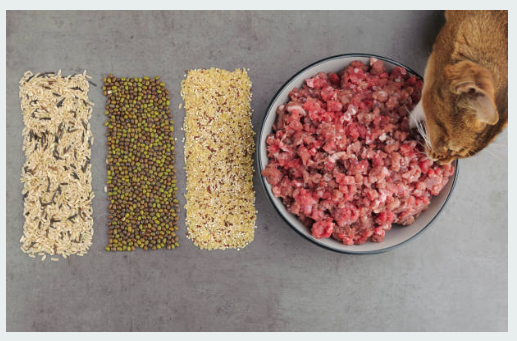
Protein is essential for growth, tissue repair, and overall health. Look for pet foods that list high-quality animal proteins as their primary ingredient. Puppies need about 22% to 32% protein, while kittens require about 30% to 40% in their diet.
Fats
Fats provide energy and aid in the absorption of fat-soluble vitamins. Healthy fats, like omega-3 and omega-6 fatty acids, contribute to skin and coat health. A balanced diet should contain about 8% to 15% fat for puppies and 9% to 20% for kittens.
Vitamins and Minerals
Both puppies and kittens require a variety of vitamins and minerals to support their immune system, growth, and development. Ensure the food you choose is fortified with essential nutrients, including calcium, phosphorus, and vitamins A, D, and E.
Select the Right Pet Food
Choosing the proper food is paramount. While it may be tempting to stick with common brands, always look for high-quality options. Here are some tips for selecting the best food:
- Check the ingredient list: Prioritize foods with identifiable and wholesome ingredients.
- Choose age-appropriate formulas: Look for "puppy" or "kitten" labeled products specifically designed for their developmental stage.
- Consult your veterinarian: Veterinary professionals can provide dietary recommendations tailored to your pet's specific needs and breed.
Feeding Schedules
Establishing a consistent feeding schedule is crucial in helping your puppy or kitten develop healthy eating habits. Generally, young pets require more frequent feedings than their adult counterparts. Here’s a guideline for feeding schedules:
Puppies
- 8 weeks to 3 months: Feed 4 times a day.
- 3 to 6 months: Feed 3 times a day.
- 6 months to 1 year: Feed 2 to 3 times a day.
Kittens
- 8 weeks to 3 months: Feed 4 times a day.
- 3 to 6 months: Feed 3 times a day.
- 6 months to 1 year: Feed 2 to 3 times a day.
As they mature, you can transition your puppies and kittens to adult food and decrease their feeding frequency to two meals a day.
Portion Control
Overfeeding can lead to obesity, while underfeeding can stunt growth. It's essential to measure food portions according to the feeding guidelines provided on the pet food packaging. Always use a measuring cup to ensure accuracy rather than guessing. If in doubt, consult with your veterinarian to determine the appropriate portion sizes.
Hydration is Key
Water is vital for all aspects of your pet's health. Ensure your puppy or kitten has access to clean, fresh water at all times. Proper hydration supports healthy digestion, nutrient absorption, and temperature regulation. If your pet isn't drinking enough, consider providing wet food, which contains moisture, as an alternative.
Monitoring Weight and Growth
Regularly monitoring your puppy or kitten's weight and growth is an excellent way to ensure they are on the right track. You can use a scale to periodically weigh them and keep track of their growth against breed standards. Additionally, observe their body condition—ribs should be palpable but not visible, and they should have a defined waist. If you're concerned about their growth rate, consult your veterinarian.
Introduce New Foods Gradually
When it comes to changing your pet's diet, it’s crucial to adjust their food gradually. A sudden switch can lead to digestive upset. Follow these steps to introduce new foods:
- Start with 75% of the current food and 25% of the new food.
- After a few days, if they tolerate it well, change to 50% of each.
- Then switch to 25% of the old food and 75% of the new food.
- Finally, transition to 100% new food once your pet adjusts.
Be Mindful of Treats
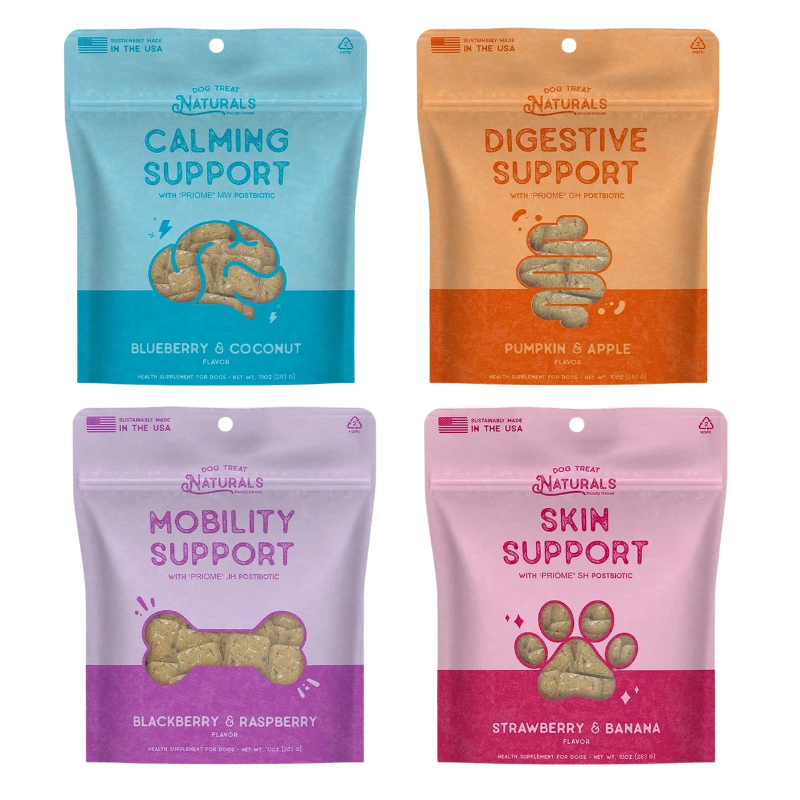
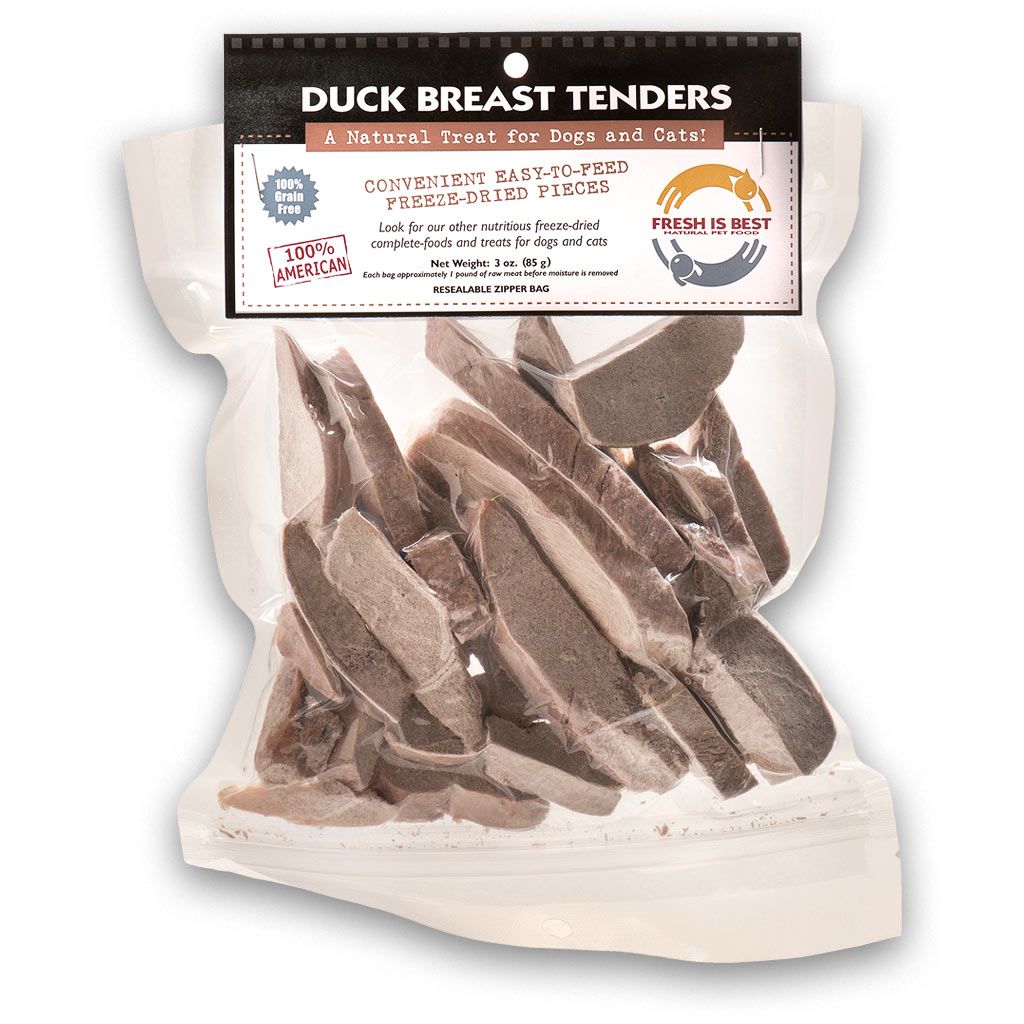
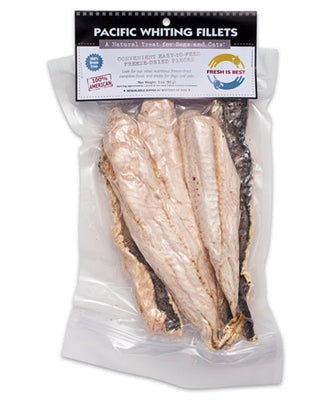
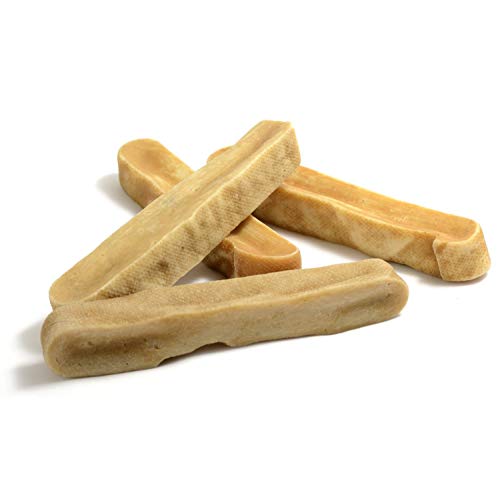
Treats can be a great way to bond with your new pet, but moderation is critical. Treats should only make up about 10% of your puppy or kitten's daily caloric intake. Choose healthy options and avoid giving treats that are high in sugar or calories. Instead, use treats for training and reinforcement, and always follow the portion guidelines.
Special Considerations
Some puppies and kittens may have specific dietary needs based on their breed, health conditions, and activity levels. Be aware of these considerations:
Allergies and Sensitivities
Watch for signs of allergies or intolerance, such as itchiness, gastrointestinal distress, or unusual behavior. If you suspect your pet has a food allergy, consult with your veterinarian for potential hypoallergenic diet options.
Health Concerns
If your puppy or kitten has health issues, such as obesity or developmental disorders, your veterinarian may recommend a specialized diet. Follow their advice closely to ensure you are providing the proper nutrition.
Creating a Positive Feeding Environment
The environment in which you feed your puppy or kitten plays a crucial role in shaping their eating habits. Here are tips for creating a positive mealtime experience:
- Establish a routine: Feed your pet at the same times daily to create consistency.
- Minimize distractions: Choose a quiet and comfortable spot for their meals away from noise and other animals.
- Be patient: Allow your pet to eat at the pace they prefer, as rushing them can lead to anxiety.
Keep It Fun
Feeding time doesn't have to be dull! Use mealtime as an opportunity to bond with your pet through play. You can hide small portions of their food around your home for them to find or use treat-dispensing toys to keep them engaged while eating.
The Path to Lifelong Health
In conclusion, the foundation for a healthy and happy life for your puppy or kitten begins with proper nutrition and care. By following these best practices—understanding their nutritional needs, choosing the right food, establishing a feeding schedule, and encouraging hydration—you can ensure your new furry friend grows into a thriving adult pet. Remember, your veterinarian is always a great resource for advice tailored to your pet's needs. Happy feeding!
Explore the world of another Shopify or Wix store owner. Visit their captivating online store. Keep in mind that this is a promotional link, and we are not responsible for the content of the linked store.


No comments
0 comments