




















































































































































































































































































































































































NEW ARRIVALS








Keep Your Pets Safe This Winter: Essential Tips

Overview
Winter can be challenging for pets due to cold weather and hazards. To keep them safe and comfortable, monitor their behavior, provide warm clothing, limit outdoor time, care for their paws, ensure proper nutrition and hydration, and maintain regular vet check-ups. Prepare for emergencies with a pet kit and identify local emergency vets. Engage in indoor activities and create cozy spaces to keep your pets happy throughout the season.
Frequently Asked Questions
1. What are some common winter hazards for pets?
2. How can I keep my pets warm during winter?
3. What should I do for my pet's paw care in winter?
4. How does winter affect my pet's nutrition and hydration?
5. What should I include in a winter emergency kit for my pet?
Winter is a magical time filled with snow, festivities, and cheer, but it can also present challenges for our beloved pets. As the temperature drops, it’s crucial to keep our four-legged friends safe and comfortable. In this blog post, we’ll share essential winter safety tips for pets to ensure they stay warm, happy, and healthy throughout the chilly months.
Understanding Winter Hazards for Pets
Winter brings its own set of hazards that can affect our pets. From icy sidewalks to toxic chemicals, it’s essential to be aware of what these dangers are and how to protect your furry companions.
Cold Weather Impact on Pets
Just like humans, pets can suffer from the cold, especially those with short hair or thin bodies. Hypothermia and frostbite are significant concerns during freezing temperatures. All animals react differently to cold; hence, monitoring your pet's behavior during winter months is vital.
Common Winter Hazards
- Icy Surfaces: Slips and falls can lead to injuries.
- Antifreeze: This toxic substance can be deadly if ingested.
- Rock Salt and De-icers: These can irritate your pet's paws.
- Snow and Ice: Can lead to injuries or frostbite.
- Increased Traffic: With more drivers on the road, visibility can be reduced with snow cover.
Keeping Your Pets Warm
Here’s how to provide warmth and comfort for your pets during the winter months:
Selecting the Right Gear
Investing in pet clothing can be vital to keeping your pets warm. Here are a few options to consider:
- Coats: A well-fitted coat can help retain body heat.
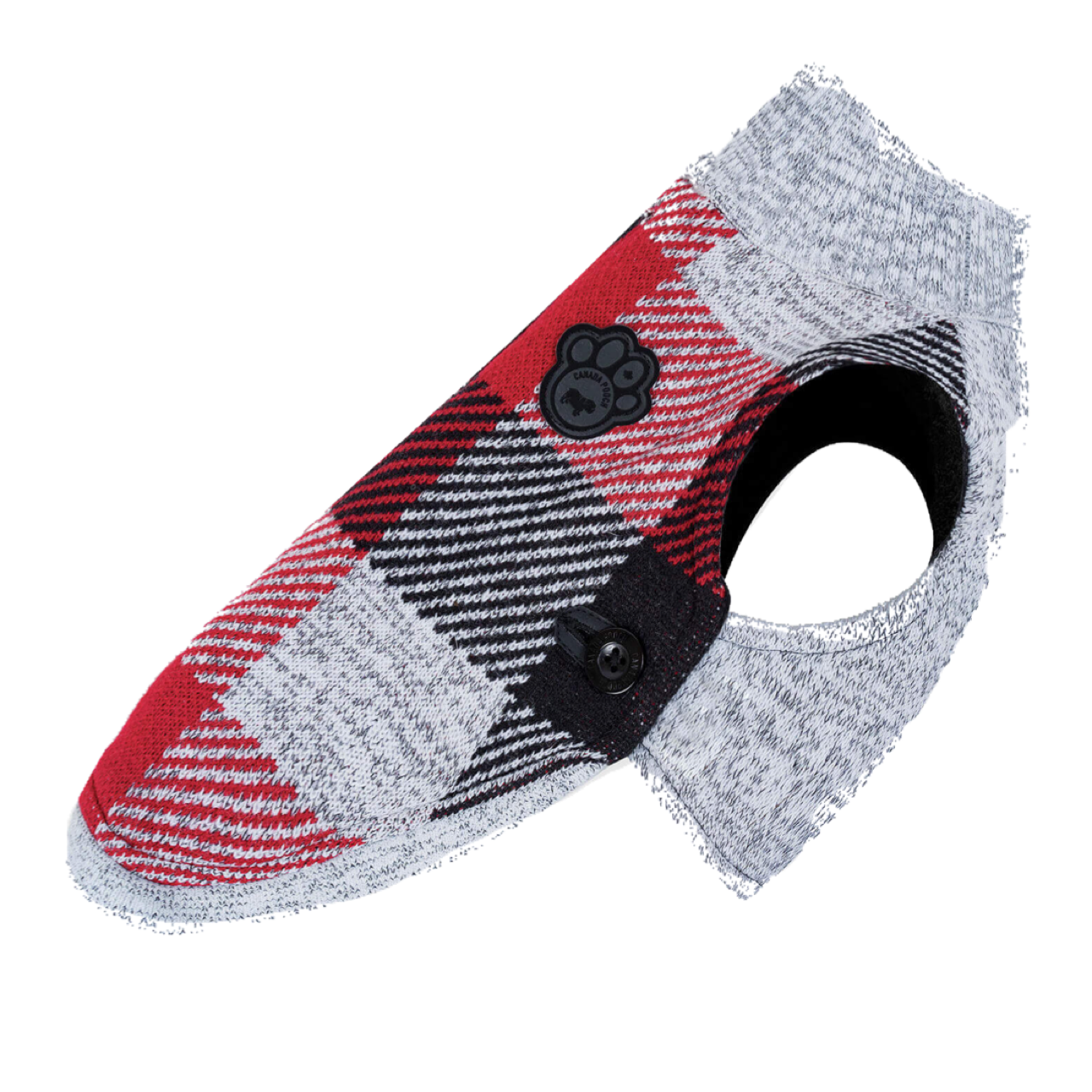
- Sweaters: Great for smaller pets or those with short fur.
- Booties: Protect delicate paws from ice and salt.
Indoor Warmth
When indoors, ensure your pet has a warm, comfortable space. This can be a cozy bed placed away from drafty windows or a dedicated room with blankets. Provide plenty of soft bedding and ensure there are no cold floors.
Outdoor Safety Tips
If your pets are used to outdoor activities, it's essential to take extra precautions. Here are some tips to follow:
Limit Outdoor Time
While many pets love the snow, it’s essential to monitor their time outside. Take shorter walks and allow them to play in your yard but keep it brief. Look out for signs of distress such as shivering, whining, or acting lethargically.
Paw Care is Essential
Your pet's paws are especially vulnerable during winter. Here’s how to keep them safe:
- Regular Checks: Inspect your pet's paws after outdoor play for ice balls lodged between their toes or any signs of injury.
- Paw Wax: Applying a protective wax can help shield against snow and ice.
- Wash Paws: Always wash your pet’s paws after returning indoors to remove any harmful substances.
Nutrition and Hydration in Winter
Proper nutrition is vital for keeping your pets healthy throughout winter. Here are some tips to ensure they’re getting what they need:
Increased Caloric Needs
As the temperature drops, your pet may require more calories to maintain their body temperature. This is particularly true for outdoor dogs or those that are active during winter. Consult with your vet to determine if your pet needs an adjustment to their diet.
Stay Hydrated
Despite the cold, pets can quickly become dehydrated. Ensure that fresh water is always available, and if your pet spends time outdoors, check their water bowl often to make sure it hasn’t frozen over.
Health Monitoring During Winter
Winter can also impact your pet’s health in surprising ways. Here are some tips for monitoring their well-being:
Veterinary Visits
Regular vet check-ups are important year-round, but they’re crucial during the winter months. Discuss any specific winter-related concerns with your veterinarian, such as vaccinations, treatments, and general health checks.
Watch for Behavioral Changes
Keep an eye out for any changes in your pet's behavior. If they seem more lethargic, removed, or show changes in eating habits, this could be a sign they’re feeling unwell or distressed by the winter conditions.
Training in Winter Conditions
Training your pet to handle winter conditions can make the season more enjoyable for both of you. Here’s how to get started:
Basic Commands
Reinforcing basic commands can enhance your pet’s safety. Commands like "sit," "stay," and "come" can be critical in snowy outdoor settings where distractions abound. Consider practicing these commands in a safe, warm indoor environment.
Desensitization to Gear
If you plan on using winter gear like booties or coats, allow your pet to become accustomed to them gradually. Put the gear on for short periods, rewarding your pet with treats and praise. This helps them feel comfortable and cooperative when you’re ready to head outside.
Consider Indoor Activities
When the weather is too harsh for outdoor adventures, try some engaging indoor activities to keep your pet stimulated:
Interactive Toys
Investing in interactive toys can keep your pet engaged and entertained while indoors. Look for puzzle toys that dispense treats, helping to challenge their minds and keep them occupied.
Training Sessions
Use indoor time as an opportunity for training sessions. Teach new tricks or reinforce old ones, making the time spent together enjoyable and productive.
Preparing for Emergencies
Being proactive about emergencies can make all the difference during harsh winter conditions. Here are some steps to take:
Create an Emergency Kit
Prepare an emergency kit for your pet that includes:
- Food and water for several days
- Medications
- A first aid kit
- An extra leash and collar
- Blanket for warmth
Identify Local Emergency Vets
Know the locations and contact information of local veterinary clinics, especially those that handle emergencies outside regular hours. This will help you act swiftly in case of unforeseen circumstances.
Finding the Right Indoor Solutions
During the winter season, finding suitable indoor solutions is as important as outdoor precautions. Here are some suggestions:
Cozy Spaces
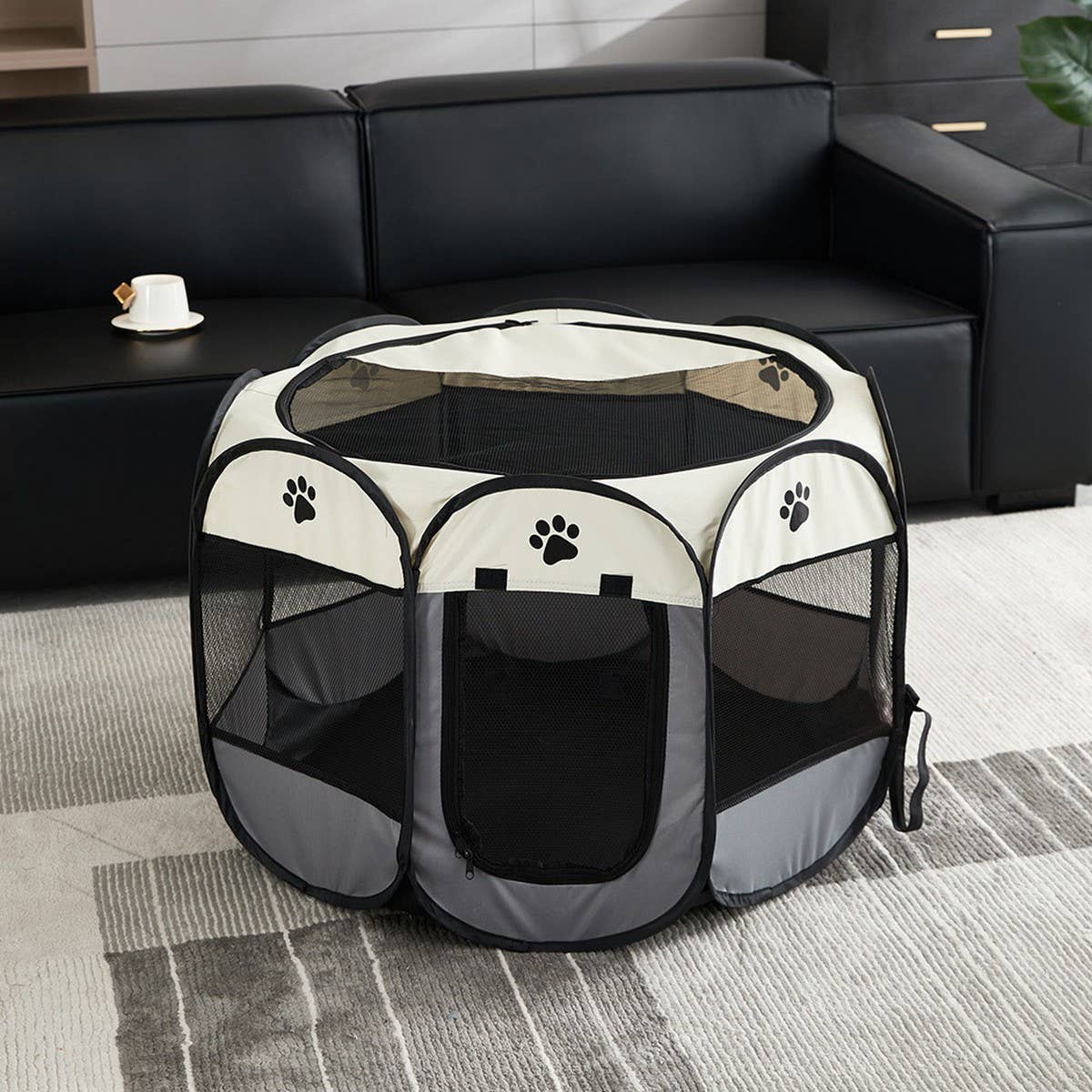
Create a cozy corner in your home for your pet. Add blankets and cushions that provide warmth and a sense of security. Pets love their personal spaces where they can retreat and curl up.
Engaging Activities
Keep interactive time fun and engaging. Playing fetch in a hallway, setting up an obstacle course using furniture, and exploring scent work can all be great indoor activities.
Final Thoughts: Make Winter a Wonderful Season for Your Pets
By following these essential winter safety tips for pets, you can ensure that your furry companions remain healthy and happy throughout the cold months. Remember that extra precaution, regular vet check-ups, and loving care will go a long way in keeping your pet secure. Embrace the beauty of winter with your pets by being prepared and informed. Enjoy this season's snowy fun while keeping those tails wagging!


No comments
0 comments