







































































NEW ARRIVALS






The Power of Portion Control in Pet Feeding

Overview
Portion control is crucial for your pet's health, preventing obesity, ensuring optimal nutrition, and improving behavior. Consult your vet for personalized feeding guidelines, accurately measure food, and implement feeding techniques like scheduled meals and puzzle feeders. Maintaining proper portions leads to a longer, healthier, and happier life for your furry friend.
Frequently Asked Questions
1. What is portion control for pets?
2. Why is portion control important for pet health?
3. How can I determine the right portion sizes for my pet?
4. What are some effective portion control techniques for pets?
5. What are the long-term benefits of practicing portion control for pets?
As pet owners, we all want the best for our furry friends. Ensuring they receive the appropriate nutrition is vital, and one of the most significant aspects of a healthy diet is portion control. The importance of portion control in pet feeding goes beyond simply maintaining their weight; it impacts their overall health, behavior, and longevity. In this blog, we will explore the numerous benefits of portion control for pets, the ideal feeding practices, and helpful tips for implementing it seamlessly into your routine.
Understanding Portion Control
Before delving into the benefits of portion control, it’s essential to understand what it entails. Portion control refers to the practice of serving a specified amount of food to your pet to regulate their intake. It can prevent overfeeding, underfeeding, and ensure that your pet receives balanced nutrients according to their specific dietary needs.
Why is Portion Control Crucial?
Many pet owners may not realize the crucial role that portion control plays in a pet's health. An uncontrolled diet can lead to serious health issues such as obesity, diabetes, and other metabolic disorders. Let’s dive deeper into the reasons why portion control is essential:
Preventing Obesity
One of the most substantial outcomes of improper portion control is obesity. According to veterinary studies, a significant percentage of pets in the U.S. are classified as overweight or obese. Obesity can lead to a range of health issues including joint problems, cardiac issues, and reduced lifespan. By controlling portions, pet owners can ensure that their pets maintain a healthy weight, reducing these risks considerably.
Maintaining Optimal Health
Proper portion control helps to ensure that pets receive the appropriate balance of nutrients. A diet that doesn’t meet a pet's nutritional needs can lead to deficiencies and other health problems. Whether your pet is a cat, dog, or any other creature, each has specific dietary requirements that vary based on their breed, age, and activity level. Understanding these needs helps you to determine the ideal portion size for their meals.
Managing Behavioral Issues
Surprisingly, portion control can also influence a pet's behavior. Pets that are overfed may exhibit signs of lethargy and decreased motivation to play or exercise. This lack of activity can create a cycle of poor health. On the other hand, pet owners who practice portion control often find their pets more playful and engaged, promoting a more active lifestyle for both pet and owner.
How to Determine the Right Portions
Finding the right portion size for your pet can often feel like a guessing game. Here, we break down an effective approach to determining your pet's ideal portions.
Consult with Your Veterinarian
Your veterinarian can provide personalized recommendations tailored to your pet’s breed, age, and activity level. They can help you establish a baseline for daily caloric intake, which serves as a guideline for portion sizes. Utilizing their expertise can ensure that your feeding strategy is grounded in professional advice.
Read Feeding Guidelines
Most pet food brands provide feeding guidelines on their packaging. While these can be useful, remember that these recommendations are often generalized. Always use them as a starting point, then make adjustments based on your pet’s specific needs and lifestyle.
Measure Food Accurately
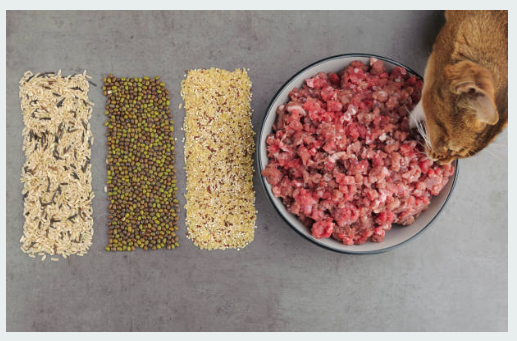
Investing in a pet food scale or measuring cups can make a significant difference in how accurately you serve portions. Measuring food can prevent guesswork and ensure that you’re providing the correct amounts. This small change can lead to major improvements in your pet’s health.
Portion Control Techniques
Scheduled Feeding Times
Instead of free-feeding, where food is left out for pets to graze, set specific feeding times. This approach helps regulate appetite and establishes a routine, which can be beneficial for both pets and owners. Scheduled feeding can also prevent overeating and enable better digestion.
Use Puzzle Feeders
Puzzle feeders and interactive feeding toys can make mealtime an engaging experience. They encourage pets to work for their food, slowing down their eating and promoting mental stimulation. In addition to portion control, this technique can help prevent bloating and promote a healthy weight.
Monitor Treats
Treats can quickly add up in calorie content. When determining your pet's daily portion, be sure to incorporate treats into this calculation. Keeping treats to a minimum ensures that your pet receives balanced nutrition without exceeding their caloric limit.
The Importance of Hydration
While portion control is primarily about food intake, hydration is also a key component of your pet’s diet. Ensure your pet has constant access to fresh water. Hydration plays a significant role in their overall health and can aid in digestion, nutrient absorption, and energy levels.
Hydration Tips
- Always provide clean, fresh water daily.
- Consider a water fountain, which encourages pets to drink more.
- Monitor their water intake, especially in hot weather or after exercise.
Common Misconceptions About Portion Control
As with any health topic, there are misconceptions regarding portion control for pets. Let’s dispel some of these myths:
Myth: All Pets Need the Same Amount of Food
This is untrue—each pet has unique nutritional needs. Factors such as breed, age, and activity level play a significant role in determining appropriate portion sizes. Customizing their diet according to these factors is essential for optimal health.
Myth: Food Quality Doesn't Matter as Long as Portions Are Controlled
While portion control is important, the quality of the food itself also matters. Selecting high-quality, nutrient-dense food is crucial. Feeding your pet the right portions of lower-quality food is often less beneficial than serving slightly larger portions of high-quality food.
Myth: My Pet Will Always Stop Eating When Full
Pets can eat out of boredom or anxiety, leading to overeating. This is why portion control and scheduled feeding are essential. Just because food is available doesn’t mean they should eat it all at once.
The Long-Term Benefits of Portion Control
The positive effects of practicing portion control extend far beyond just weight management. Here are some long-term benefits to consider:
Improved Lifespan
Pets that maintain a healthy weight tend to live longer, healthier lives. A diet that is rich in nutrients and balanced in portion can significantly improve lifespan.
Stronger Immune System
Feeding pets appropriate portions of high-quality food strengthens their immune systems, making them less susceptible to illness. A nutritious diet supports overall health and well-being.
Better Quality of Life
A pet that maintains a healthy weight and receives balanced nutrition is more energetic and playful, leading to a better quality of life. This not only affects your pet's happiness but also encourages deeper bonds between you and your furry friend.
Final Thoughts: Transform Your Pet's Diet Today!
Portion control is a pivotal aspect of responsible pet ownership. By understanding the importance of feeding your pet the right amount of food while ensuring they receive high-quality nutrients, you help pave the way for a longer, healthier, and happier life. Start examining your pet's feeding habits today, consult with your veterinarian, and implement the recommendations provided throughout this blog. Your furry friend deserves the best care possible, and embracing portion control is a fantastic step toward achieving that!


No comments
0 comments