





































































































































































































































































































































































NEW ARRIVALS








Transform Your Pets' Health with Holistic Nutrition

Overview
Explore holistic nutrition for your pets, focusing on whole foods, balanced macronutrients, and digestive health. Incorporate natural ingredients, monitor dietary changes, and consider supplements to support overall well-being. Tailor diets for special needs while fostering emotional connections through mindful feeding.
Table of Contents
- Understanding Holistic Nutrition
- Whole Foods and Natural Ingredients
- Balancing Macros for Optimal Health
- Protein Sources
- Healthy Fats
- Carbohydrates: A Sensitive Topic
- The Role of Supplements
- Digestive Aids
- Vitamins and Minerals
- Adapting to Dietary Changes
- Gradual Introduction
- Watch for Signs of Discomfort
- Understanding Special Dietary Needs
- Allergies and Sensitivities
- Weight Management
- Emotional Connections Through Nutrition
- Mindful Feeding
- Homemade Treats
- Make Changes that Last
Key Takeaways
- Holistic Nutrition Focus: Emphasizes a whole-body approach, considering diet, mental, and emotional well-being.
- Whole Foods: Use natural ingredients free from fillers and artificial additives to promote better digestion and health.
- Balanced Macronutrients: Ensure the correct ratios of proteins, fats, and carbohydrates to prevent health issues.
- Digestive Aids: Incorporate probiotics and prebiotics to support gut health, especially for pets with sensitive stomachs.
- Gradual Dietary Transition: Slowly introduce new foods over several days to minimize digestive upset.
- Addressing Allergies: Identify allergens and consider hypoallergenic diets for pets with sensitivities.
- Emotional Connections: Enhance bonding through mindful feeding and homemade treats to improve both physical and emotional health.
As a devoted pet parent, your goal is to provide the best care for your furry companions. One of the critical aspects of pet care is nutrition; particularly, holistic nutrition approaches for dogs and cats can uplift their overall health and well-being. This comprehensive guide will explore various holistic nutrition methods to ensure your pets thrive, especially those dealing with sensitive stomachs for dogs.
Understanding Holistic Nutrition
Holistic nutrition for pets emphasizes a whole-body approach, considering not only the diet but also the mental and emotional aspects of their well-being. The principle behind this approach is simple: a healthy diet can impact not only physical health but also mental health, leading to happier pets. But what does holistic nutrition mean for our furry friends?
Whole Foods and Natural Ingredients
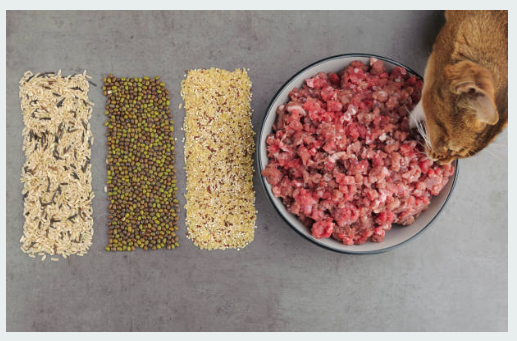
At the core of holistic nutrition is the use of whole, natural foods. Feeding your pets natural ingredients—free from fillers, artificial preservatives, and by-products—helps combat issues like sensitive stomachs for dogs. These foods are typically more digestible and nutrient-dense, providing essential vitamins and minerals that support your pet’s immune system and energy levels.
- Meat: Essential for protein, choose high-quality sources like chicken, turkey, or fish.
- Fruits and Vegetables: Incorporate safe fruits and veggies like carrots, blueberries, and pumpkin for added nutrients and fiber.
- Grains and Legumes: Some pets may benefit from grains like brown rice or legumes like lentils, which can provide sustained energy.
Balancing Macros for Optimal Health
Just like humans, pets require a balanced diet that includes proteins, fats, and carbohydrates. Holistic nutrition focuses on the correct ratios of these macronutrients, which can prevent several health problems. For dogs, especially those with sensitive stomachs, finding the right balance can provide relief from digestive discomfort.
Protein Sources
Protein is crucial for a dog's growth, health, and maintenance. The type of protein you choose can make all the difference. For those pets with sensitive stomachs, consider digestible sources of protein:
- Chicken: Lean, easily digestible, and packed with amino acids.
- Fish: Rich in Omega-3 fatty acids for healthy skin and coat.
- Eggs: A complete protein source that is typically easy on the stomach.
Healthy Fats
Fats are vital for energy and support healthy skin and coat. Look for natural sources:
- Fish Oil: Excellent for Omega-3 fatty acids.
- Flaxseed Oil: Great for vegetarian diets, providing essential fats.
- Chicken Fat: A tasty addition that promotes a shiny coat.
Carbohydrates: A Sensitive Topic
When it comes to pets, not all carbohydrates are created equal. While they can provide energy, some can be hard to digest and may cause issues for dogs with sensitive stomachs. Opt for complex carbohydrates that are gentle on the digestive system:
- Brown Rice: A digestible grain that supports stable energy.
- Sweet Potatoes: High in fiber and antioxidants.
- Quinoa: A protein-packed grain alternative that is gluten-free.
The Role of Supplements
Sometimes, pets require additional support to achieve optimal health—this is where supplements come into play. Holistic nutrition often incorporates supplements to fill any nutritional gaps. Here are some popular options:
Digestive Aids
For pets with sensitive stomachs, digestive aids like probiotics and prebiotics can be invaluable. They help maintain a healthy gut flora, improving digestion and nutrient absorption:
- Probiotics: Help restore balance in the gut after digestion issues.
- Prebiotics: Serve as the food for beneficial gut bacteria, promoting their growth.
Vitamins and Minerals
Vitamins and minerals also play critical roles in holistic nutrition:
- Vitamin E: An antioxidant that helps maintain a healthy immune system.
- Calcium: Essential for strong bones and teeth.
- Omega Fatty Acids: Aid in skin health and coat shine.
Adapting to Dietary Changes
Transitioning your pet to a holistic nutritional approach requires patience and careful observation. Sudden diet changes can upset a pet’s stomach, particularly for dogs with sensitive stomachs. Here are some tips to ensure a smooth transition:
Gradual Introduction
Introduce the new food slowly over several days, mixing it with their current food. Start with a small ratio of the new diet, gradually increasing it while monitoring their reaction. For example:
- Days 1-3: 25% new food, 75% old food
- Days 4-6: 50% new food, 50% old food
- Days 7-10: 75% new food, 25% old food
- Day 11 onward: 100% new food
Watch for Signs of Discomfort
During the transition, closely monitor any signs of digestive distress—diarrhea, bloating, or lethargy. If you notice any adverse reactions, consult a veterinarian for advice on if and when to continue.
Understanding Special Dietary Needs
Some pets have specific dietary needs due to allergies or health conditions. A holistic approach can help manage these situations:
Allergies and Sensitivities
Food allergies can lead to discomfort and health issues. For pets with sensitive stomachs or skin problems, identifying allergens and switching to hypoallergenic diets may provide relief. Common allergens in dogs include:
- Beef
- Dairy
- Wheat
- Chicken
Weight Management
Maintaining a healthy weight in pets is crucial. Holistic nutrition often entails feeding appropriate portion sizes and choosing low-calorie snacks. Incorporate vegetables like green beans or carrots to satisfy hunger without additional calories.
Emotional Connections Through Nutrition
Food is not only vital for physical health but also plays a significant role in the emotional bonding between pets and their humans. Sharing mealtime can enhance the relationship. Holistic practices may also include:
Mindful Feeding
Take time to connect with your pet during mealtimes. Be present and create a positive environment. Avoid distractions like technology; this enhances both physical and emotional wellness.
Homemade Treats
Making homemade treats can be a fun way to involve your pet in their nutrition journey. Simple recipes can include ingredients like:
- Peanut Butter
- Oats
- Pumpkin
- Carrots
Make Changes that Last
Embarking on a journey toward holistic nutrition for your pets could improve their quality of life significantly. It may take time to find the right balance of foods, especially for those struggling with sensitive stomachs for dogs, but the effort is rewarding. Take one step at a time.
Most importantly, remain in tune with your pet’s unique needs. Just as humans have different dietary preferences and needs, so do our dogs and cats. With patience, research, and a bit of creativity, you can create a lovingly holistic, nutritious plan that nourishes both their body and soul.
Frequently Asked Questions
1. What is holistic nutrition for pets?
2. What are the key components of a holistic diet for dogs and cats?
3. How can I introduce a new holistic diet to my pet?
4. What should I consider for pets with sensitive stomachs?
5. How can I enhance the emotional connection with my pet through nutrition?
Glossary
| Term | Meaning |
|---|---|
| Holistic Nutrition | A whole-body approach to pet care that considers diet, mental, and emotional well-being. |
| Whole Foods | Natural ingredients free from fillers and artificial additives, beneficial for digestion. |
| Macronutrients | Essential nutrients including proteins, fats, and carbohydrates needed for health. |
| Probiotics | Live bacteria that help maintain a healthy gut flora and improve digestion. |
| Prebiotics | Non-digestible fibers that feed beneficial gut bacteria, promoting their growth. |
| Digestive Aids | Supplements that support digestion, especially for pets with sensitive stomachs. |
| Hypoallergenic Diet | A diet designed to minimize allergic reactions in pets with food sensitivities. |
| Mindful Feeding | Being present during mealtime to enhance the emotional bond with your pet. |
| Weight Management | Maintaining a healthy weight through portion control and low-calorie snacks. |
| Homemade Treats | DIY snacks made from safe ingredients, promoting involvement in nutrition. |
Linked Product

Herbsmith Gastro Care for Dogs & Cats with Sensitive Stomachs
Herbsmith Gastro Care is designed for dogs and cats with sensitive stomachs, providing digestive support and promoting healthy bowel function. This supplement can help address issues such as loose stools and noisy tummies by incorporating a proprietary blend of natural ingredients. It is easy to use by simply sprinkling the recommended amount over your pet's food.
View Product

No comments
0 comments