





























































































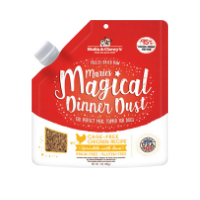
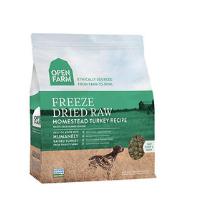
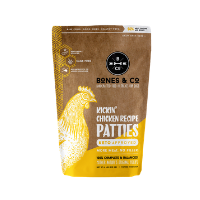


















































































































































































































NEW ARRIVALS






Discover the Power of Raw Whole Food Nutrition for Pets

Overview
This article delves into the concept of raw whole food nutrition for pets, highlighting its natural ingredients and potential health benefits. Readers will learn about the core principles of this diet, essential components, and how to transition their pets to this new feeding regimen. Additionally, the article addresses common myths surrounding raw diets and shares success stories from pet owners who have experienced positive changes in their animals' health and vitality.
Table of Contents
- Understanding Raw Whole Food Nutrition
- The Core Principles
- Benefits of Raw Whole Food Nutrition
- Enhanced Digestive Health
- Improved Skin and Coat Condition
- Increased Energy and Vitality
- Weight Management
- Essential Components of Raw Whole Food Nutrition
- Lean Meat and Organs
- Fruits and Vegetables
- Balanced Supplements
- How to Transition to Raw Whole Food Nutrition
- Common Myths About Raw Whole Food Nutrition
- Myth 1: Raw Diets Cause Nutritional Deficiencies
- Myth 2: Raw Diets Are Inconsistent and Unhygienic
- Myth 3: Raw Food Is Too Expensive
- Success Stories: Pet Owners Share Their Experiences
- Final Thoughts on Raw Whole Food Nutrition
Key Takeaways
- Raw whole food nutrition emphasizes natural, uncooked ingredients similar to ancestral diets, improving health and vitality.
- Key components include lean meats, fruits, and vegetables to provide balanced nutrition and essential nutrients.
- Benefits of this diet include enhanced digestive health, improved skin and coat condition, and increased energy for pets.
- Transitioning to raw food should involve consulting your veterinarian and gradually phasing in the new diet.
- Common myths about raw diets include concerns over nutritional deficiencies and hygiene, which can be addressed with proper planning and practices.
- Success stories from pet owners highlight significant health improvements in pets after switching to raw whole food nutrition.
- Investing in quality raw food can lead to long-term health benefits and potentially lower veterinary costs.
When it comes to feeding our furry friends, it’s essential to make the right choices. One increasingly popular option among pet parents is raw whole food nutrition, an approach that prioritizes natural ingredients and promotes optimal health. If you've wondered what raw whole food nutrition entails, you’re in the right place. This guide will explore its benefits, key components, and why it may be the perfect fit for your pet.
Understanding Raw Whole Food Nutrition
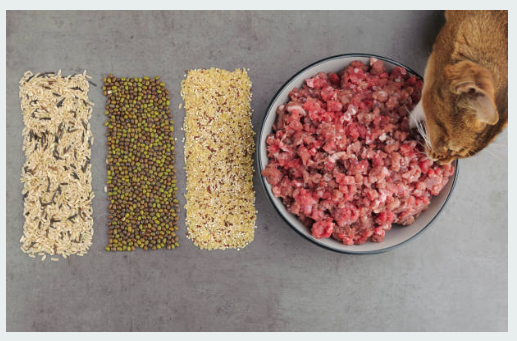
Raw whole food nutrition for pets focuses on providing animals with uncooked, unprocessed foods similar to what their ancestors ate in the wild. This regimen includes fresh meats, fruits, vegetables, and sometimes even animal bones. The idea is simple: providing pets with species-appropriate diets can lead to improved health, vitality, and longevity.
The Core Principles
At its core, raw whole food nutrition embraces several guiding principles that contribute to its effectiveness:
- Whole Ingredients: Emphasizes whole, real foods with no fillers or artificial additives.
- Species Suitability: Focuses on foods that align with the natural dietary needs of dogs and cats.
- Minimal Processing: Avoids highly processed products, retaining the food's natural nutrients.
- Variety: Offers a diverse diet that includes various protein sources, vegetables, and fruits.
Benefits of Raw Whole Food Nutrition
Switching to raw whole food nutrition can offer numerous benefits for your pet. Here’s a glance at some of the most notable advantages:
Enhanced Digestive Health
Raw whole food diets can optimize your pet's digestive health by providing natural enzymes and gut-friendly ingredients. This leads to better nutrient absorption and healthier bowel movements.
Improved Skin and Coat Condition
A diet rich in essential fatty acids, like those found in raw meats, can lead to a shinier coat and healthier skin. Many pet owners notice significant improvements shortly after switching their dogs or cats to a raw food regimen.
Increased Energy and Vitality
Pets thrive on real food. Many owners report their pets are more energetic and playful once they transition to raw whole food diets. Improved health naturally translates to a zest for life!
Weight Management
Controlling your pet's weight can be easier with raw whole food nutrition. As these diets comprise high-quality proteins, they can help maintain muscle mass while promoting fat loss.
Essential Components of Raw Whole Food Nutrition
To ensure your pet receives a balanced diet, it’s crucial to understand the essential components that make up raw whole food nutrition:
Lean Meat and Organs
High-quality protein sources like lean meats are the backbone of any raw diet. Important protein sources include:
| Protein Source | Benefits |
|---|---|
| Beef | Rich in iron and omega fatty acids. |
| Chicken | A lean protein source that promotes muscle health. |
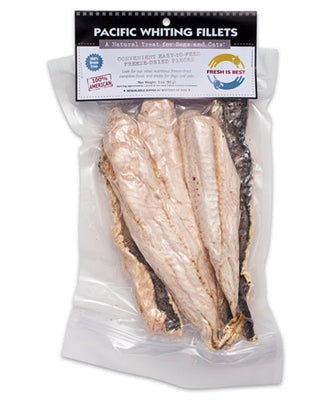
| Fish | High in omega-3 fatty acids, great for skin and coat health. |
| Liver | Nutrient-dense, providing essential vitamins and minerals. |
Fruits and Vegetables
Although pets are primarily carnivores, they can benefit from a small amount of fruits and vegetables in their diet. These plant materials feature antioxidants, vitamins, and minerals. Some beneficial options include:
- Carrots
- Blueberries
- Broccoli
- Spinach
Balanced Supplements
Adding appropriate supplements can enhance your pet’s raw diet. Some common supplements include:
- Fish oil for omega-3 fatty acids
- Probiotics for gut health
- Vitamins and minerals as needed based on specific dietary requirements
How to Transition to Raw Whole Food Nutrition
Transitioning your pet to raw whole food nutrition requires careful planning. Here’s a simple step-by-step process to ease your pet into their new diet:
- Consult Your Veterinarian: Before making any significant diet changes, consult with your vet to ensure it's appropriate for your pet's health.
- Phase In Slowly: Mix raw food with your pet's current food, gradually increasing the raw component while decreasing the old diet.
- Monitor Their Health: Keep an eye on your pet's behavior, digestion, and energy levels as they adjust to the new diet.
- Introduce Variety: Try different protein sources and vegetables to ensure a balanced intake of nutrients.
Common Myths About Raw Whole Food Nutrition
Despite the growing popularity of raw whole food diets, misconceptions still abound. Let’s address a few common myths:
Myth 1: Raw Diets Cause Nutritional Deficiencies
Fact: When properly balanced, raw diets can provide all essential nutrients for your pet. Consulting your veterinarian or a pet nutritionist can help ensure a well-structured meal plan.
Myth 2: Raw Diets Are Inconsistent and Unhygienic
Fact: Like any feeding practice, cleanliness is key! Storing raw foods properly and following food safety guidelines will ensure your pet's meals are safe.
Myth 3: Raw Food Is Too Expensive
Fact: While quality raw food might seem more expensive initially, many pet owners find that they can reduce their overall vet bills due to the improved health of their pets and the lower incidence of chronic diseases.
Success Stories: Pet Owners Share Their Experiences
Many pet owners have embraced raw whole food nutrition, sharing their remarkable transformations. Here are a few inspiring success stories:
- Tina and Max: After switching to a raw food diet, Tina noticed that her dog Max had more energy, lost weight, and had a glossier coat.
- Jake and Bella: Jake’s cat, Bella, who had chronic digestive issues, showed significant improvement after transitioning to raw whole food, leading to fewer vet visits.
- Emily and Lucky: Emily's dog Lucky, who was a picky eater, enthusiastically devoured his meals when introduced to newly prepared raw chicken dinner patties, and his health improved considerably.
Final Thoughts on Raw Whole Food Nutrition
Raw whole food nutrition can provide fabulous benefits for your pet’s health and well-being. By opting for quality meats, fruits, vegetables, and making thoughtful dietary choices, you can help your pet thrive. Not only will you nourish them physically, but you’ll also contribute to their happiness and vitality. Consider making the switch to raw today, and witness the remarkable changes in your furry friend!
Frequently Asked Questions
1. What is raw whole food nutrition for pets?
2. What are the core principles of raw whole food nutrition?
3. What are the benefits of feeding pets a raw whole food diet?
4. How can I transition my pet to a raw whole food diet?
5. Are there any common myths about raw whole food nutrition?
Glossary
| Term | Meaning |
|---|---|
| Raw Whole Food Nutrition | Feeding pets uncooked, unprocessed foods similar to their ancestral diets. |
| Whole Ingredients | Real foods without fillers or artificial additives. |
| Species Suitability | Foods that meet the natural dietary needs of pets. |
| Minimal Processing | Avoiding highly processed products to retain nutrients. |
| Enhanced Digestive Health | Improved digestion through natural enzymes and gut-friendly foods. |
| Essential Fatty Acids | Healthy fats found in raw meats that benefit skin and coat. |
| Balanced Supplements | Adding vitamins, minerals, and probiotics to enhance diet. |
| Transitioning | Gradually introducing raw food into a pet's diet. |
| Myths | Common misconceptions about raw food diets. |
| Success Stories | Pet owners sharing positive experiences with raw diets. |
Linked Product

Stella & Chewy's Chewy's Chicken Dinner Patties Raw Frozen Dog Food
Stella & Chewy's Chewy's Chicken Dinner Patties provide a raw, nutritious meal option for dogs, featuring 95% cage-free chicken along with nutrient-rich organs and bone. This formula is fortified with added vitamins, minerals, probiotics, and antioxidants, ensuring a complete and balanced diet. Additionally, it contains organic fruits and vegetables, making it a wholesome choice for pet owners seeking high-quality nutrition for their dogs.
View Product

No comments
0 comments