



































































































































































































































Transitioning Your Pet to a Raw Diet Made Easy

Overview
Switching your pet to a raw diet can significantly enhance their health, but it requires careful planning and execution. Understanding your pet's nutritional needs and gradually introducing raw foods are crucial steps to ensure a smooth transition. By avoiding common pitfalls and monitoring your pet’s response, you can foster a healthier and happier life for your furry friend.
Table of Contents
- Understanding Raw Diets for Pets
- Assessing Your Pet's Readiness for a Raw Diet
- Check with Your Veterinarian
- Know Your Pet's Nutritional Needs
- Preparing for the Transition
- Phased Transitioning: The Steps to Take
- Phase 1: Mix with Current Food
- Phase 2: Increase Raw Food Portion
- Phase 3: Full Switch
- Monitoring the Progress
- Common Mistakes to Avoid
- Exploring High Protein Dog Food Options
- Final Steps for Success in Raw Nutrition
Key Takeaways
- Consult Your Veterinarian: Always seek professional advice before transitioning your pet to a raw diet to ensure it's suitable for their health needs.
- Understand Nutritional Needs: Different pets require varying levels of protein and nutrients based on factors like age, size, and activity level.
- Gradual Transition: Introduce raw food slowly by mixing it with their current diet to prevent digestive upset.
- Monitor Health Indicators: Keep an eye on your pet’s stool quality, energy levels, and overall health during the transition.
- Avoid Common Mistakes: Don’t rush the process, ensure balanced nutrition, and maintain a consistent feeding schedule.
- Explore High Protein Options: Incorporate a variety of protein sources like beef, chicken, fish, and organ meats for a balanced raw diet.
- Stay Engaged: Maintain communication with your vet and adjust the diet as needed based on your pet's response.
Making the switch to a raw diet for your pet can be an exciting yet daunting journey. With increased awareness of pet nutrition, many pet parents are leaning toward high protein dog food, specifically raw options. This transition, while beneficial for your furry friend, requires knowledge and a proper strategy to ensure it goes smoothly. In this guide, we’ll walk you through each step of transitioning your pet to a raw diet, focusing on the different techniques, benefits, and mistakes to avoid.
Understanding Raw Diets for Pets
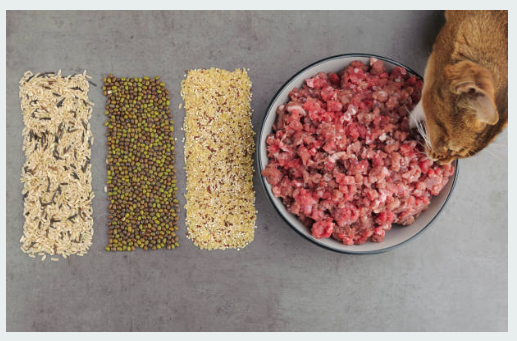
Before diving into the transition process, it’s essential to understand what a raw diet entails. A raw pet diet typically consists of uncooked meat, bones, fruits, and vegetables. This diet is often praised for its nutritional benefits, including:
- Improved digestion
- Healthier skin and shinier fur
- Increased energy levels
- Stronger immune system
- Better weight management
High protein dog food, when properly balanced, can lead to improved overall health for dogs. A common misconception is that raw diets are solely meat-based; however, they should also include essential nutrients derived from various sources, including bones and organ meats.
Assessing Your Pet's Readiness for a Raw Diet
Before you make any changes to your pet’s diet, consider the following:
Check with Your Veterinarian
Before embarking on the raw diet journey, consult your veterinarian. They can provide valuable insights, assess your pet's health, and suggest the best dietary changes based on your pet’s specific needs and any underlying health conditions.
Know Your Pet's Nutritional Needs
Different pets have varied nutritional requirements based on their age, size, breed, and activity level. A high protein dog food may be suitable for active dogs, while others may need less protein or specific dietary components due to medical issues.
Preparing for the Transition
Once you have the green light from your vet, it's time to prepare for the transition. Here’s a concise guide to help you along the way:
- Research Raw Diet Options: Understand the different raw feeding methods available, such as BARF (Biologically Appropriate Raw Food) or Prey Model diets.
- Start Gathering Ingredients: While you don't need to build an elaborate shopping list just yet, start identifying reputable sources for raw ingredients like meats, fruits, and vegetables. Look for high-quality protein options such as grass-fed or cage-free sources when possible.
- Transition Gradually: Sudden changes can shock your pet’s system. Gradually introduce raw food by mixing it with their current diet.
- Track Your Pet’s Response: Monitor your pet's behavior, stool quality, and overall mood after introducing raw food. If you notice any adverse reactions, pause the transition and consult your vet.
Phased Transitioning: The Steps to Take
The successful transition to a raw diet usually involves multiple phases. Here’s a detailed breakdown:
Phase 1: Mix with Current Food
Start by mixing a small amount of raw food (about 25% of their meal) with their regular kibble or dry dog food. This combination allows your pet’s digestive system to begin adjusting gradually.
Phase 2: Increase Raw Food Portion
After a week of gradual introduction, if your pet shows no signs of digestive upset, slowly increase the raw food to 50% of their total meal over another week.
Phase 3: Full Switch
Once your pet is comfortable with the 50% raw, you can transition to a fully raw diet. This typically will take about 2-3 weeks but may vary depending on your pet's observations. Always consult your vet if something feels off.
Monitoring the Progress
During the transition, keep a close eye on several indicators:
| Indicator | What to Look For | Action |
|---|---|---|
| Stool Quality | Firm and well-formed | Keep going with the current feeding regime |
| Energy Levels | Increased playfulness and activity | Continue with the transition |
| Skin and Coat | Shinier, healthier appearance | Stay on the raw diet |
| Digestion | No vomiting or diarrhea | Maintain the current diet |
| Weight | Stable or healthy weight | Monitor closely for any adjustments |
Common Mistakes to Avoid
Even with the best intentions, pet owners can make common mistakes during the transition to a raw diet. Here are a few to watch out for:
- Jumping In Too Quickly: Don't rush the transition; the adjustment period is crucial.
- Ignoring Balanced Nutrition: Ensure your raw diet is nutritionally balanced and includes all necessary food groups.
- Inconsistent Feeding Schedule: Stick to a consistent feeding schedule to help your pet adapt.
- Neglecting Preparation: Raw dog food often requires proper meal prep, including safe hygiene practices to avoid contamination.
- Not Paying Attention to Your Pet: Be mindful of your pet’s health throughout the transition, and consult a vet immediately if issues arise.
Exploring High Protein Dog Food Options
One of the appealing aspects of a raw diet is the high protein options available. Consider integrating ingredients that offer a rich source of protein, such as:
- Beef: Rich in protein and important nutrients like zinc and iron
- Chicken: A lean protein source essential for muscle growth
- Fish: High in omega-3 fatty acids for a healthy coat and skin
- Organ Meats: Liver and kidneys, which offer a concentrated source of nutrients
By focusing on high protein dog food options like these, you can cater to your pet's necessary dietary requirements and keep them thriving.
Final Steps for Success in Raw Nutrition
Transitioning your pet to a raw diet can undoubtedly enhance their health, but it requires patience and dedication. Make sure to keep the communication lines open with your veterinarian, closely monitor your pet's health, and adjust the diet as necessary. As you embark on this new journey toward wholesome, high protein meals, remember to celebrate the small victories. The rewards you’ll reap in improved health and happiness will be worth the effort!
Frequently Asked Questions
1. What is a raw diet for pets?
2. How should I prepare for transitioning my pet to a raw diet?
3. What are the phases of transitioning to a raw diet?
4. What common mistakes should I avoid when switching to a raw diet?
5. How can I monitor my pet's progress on a raw diet?
Glossary
| Term | Meaning |
|---|---|
| Raw Diet | A diet consisting of uncooked meat, bones, fruits, and vegetables for pets. |
| BARF | Biologically Appropriate Raw Food; a raw feeding method emphasizing natural food sources. |
| Prey Model Diet | A raw feeding approach that mimics a wild animal's diet, focusing on whole prey. |
| High Protein Dog Food | Dog food that contains a high proportion of protein for better health and energy. |
| Phased Transition | A gradual process of introducing raw food to prevent digestive upset. |
| Veterinarian Consultation | Seeking professional advice from a vet before changing a pet's diet. |
| Stool Quality | A measure of a pet's digestive health based on the firmness of their stool. |
| Balanced Nutrition | Ensuring a diet includes all necessary nutrients for optimal health. |
| Meal Prep | The process of preparing raw food safely to avoid contamination. |
| Monitoring Progress | Keeping track of a pet's health and behavior during the diet transition. |
Linked Product

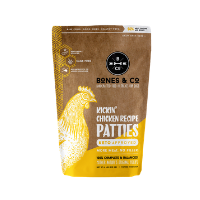
Bones & Co Keto-Approved Recipe Bites Raw Frozen Dog Food
Bones & Co Keto-Approved Recipe Bites Raw Frozen Dog Food offers a convenient way to provide your dog with a complete and balanced raw diet, available in three protein options: beef, chicken, and turkey. Each 4-pound bag contains 95% meat, organs, and bone, ensuring high nutritional value with minimal carbohydrates. The keto formula features a 1:1 fat-to-protein ratio, making it suitable for pets on a metabolically appropriate diet.
View Product
No comments
0 comments