





































































































































































































































































































NEW ARRIVALS






Exploring Raw Food Diets for Dogs and Cats

Overview
Raw food diets for pets focus on natural, unprocessed nutrition, offering benefits like improved digestion, shinier coats, and increased energy. However, they require careful preparation, nutritional balance, and can be more expensive. Transitioning should be gradual, with veterinary guidance. While there are myths surrounding raw diets, proper handling can mitigate risks. Ultimately, prioritizing your pet's health and happiness is key.
Frequently Asked Questions
1. What is a raw food diet for pets?
2. What are the health benefits of a raw food diet for pets?
3. What are some challenges of transitioning to a raw food diet?
4. How should I transition my pet to a raw food diet?
5. Are there any myths about raw food diets for pets?
As pet owners, we all strive to provide the best nutrition for our dogs and cats, ensuring they lead healthy, happy lives. One emerging trend that has garnered significant attention in the pet care community is the raw food diet. This approach focuses on providing pets with their ancestral diet, rich in raw meats, bones, fruits, and vegetables. In this article, we will explore the benefits, challenges, and practical tips for transitioning your furry friends to a raw food diet.
Understanding the Raw Food Diet
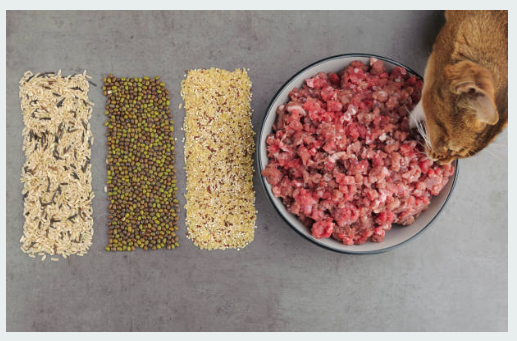
The raw food diet, often referred to as BARF (Biologically Appropriate Raw Food or Bones and Raw Food), emphasizes a natural, unprocessed approach to feeding pets. This diet is largely inspired by the natural feeding habits of wild canines and felines. While raw diets can vary widely, they typically include:
- Raw meats (such as chicken, beef, and fish)
- Raw bones (which are edible and beneficial for dental health)
- Vegetables (like carrots, spinach, and pumpkin)
- Fruits (such as blueberries and apples)
- Supplements (to ensure a balanced nutrient intake)
Health Benefits of Raw Diets for Pets
Switching to a raw food diet can have numerous health benefits for both dogs and cats. Here are some of the most significant advantages:
Improved Digestion
Many pet owners report that their pets experience improved digestion after switching to a raw food diet. The natural enzymes found in raw foods can aid in breaking down nutrients more effectively than processed kibble. Additionally, a raw diet often results in smaller, firmer stools due to lower carbohydrate content.
Shinier Coat and Healthier Skin
A raw food diet, rich in high-quality protein and essential fatty acids, can lead to a shinier coat and healthier skin for pets. Omega-3 and Omega-6 fatty acids found in certain raw ingredients contribute to overall skin health, helping to reduce itchiness and irritation.
Increased Energy Levels
Many raw food advocates assert that pets fed a raw diet exhibit higher energy levels and improved stamina. This boost in energy may stem from the natural nutrients found in raw ingredients, which better support a pet's biological needs.
Weight Management
A raw food diet can assist in maintaining a healthy weight. Since raw diets are typically lower in carbohydrates and fillers, pets can enjoy a balanced diet that promotes lean muscle mass while minimizing excessive weight gain.
Potential Challenges of Raw Food Diets
While a raw food diet can offer several benefits, it is essential to be aware of potential challenges and risks. Here's what you should consider before making the switch:
Preparation and Storage
Feeding your pet a raw diet requires more preparation than simply pouring kibble into a bowl. Raw ingredients need to be sourced, prepared, and stored correctly to prevent spoilage and contamination. It is crucial to practice safe handling techniques to reduce the risk of harmful bacteria.
Nutritional Balance
One of the most significant concerns surrounding raw diets is achieving nutritional balance. Pets require a variety of nutrients, including vitamins and minerals, which may not all be present in a raw food format. It’s essential to conduct thorough research or consult with a vet or pet nutritionist to ensure you’re providing a well-rounded diet.
Financial Considerations
Raw diets can often be more expensive than traditional kibble. Sourcing high-quality ingredients might require a larger financial investment over time, but many pet owners believe the long-term health benefits justify the cost.
Making the Transition to a Raw Food Diet
Transitioning your pet to a raw food diet should be done gradually to allow their digestive system to adjust. Here’s how you can make the switch smoothly:
Consult a Veterinarian
Before starting a raw food diet, schedule a meeting with your veterinarian. They can provide valuable insights and work with you to create a balanced meal plan tailored for your pet’s specific needs.
Start Slow
Begin by introducing a small amount of raw food alongside your pet's current diet. Gradually increase the proportion of raw food while decreasing kibble until your pet is exclusively eating raw. A common method is to follow a 75-25 ratio (75% new raw food and 25% old food), then adjust as needed.
Monitor Your Pet’s Health
Throughout the transition, observe your pet closely for any signs of distress or adverse reactions. Monitor their energy levels, digestion, and stool consistency to detect any issues early on.
Feeding Guidelines for Raw Diets
Feeding a raw food diet comes with its set of guidelines to ensure your pet's health and safety. Here are some essential tips:
Portion Control
Understanding your pet’s daily caloric needs is crucial when feeding a raw diet. Typically, dogs should consume roughly 2-3% of their body weight in raw food daily, while cats may require 1-2% of their weight. Always adjust portions based on your pet’s activity level, age, and weight.
Diversity is Key
Just like humans, pets benefit from a varied diet. Rotate different protein sources (like chicken, beef, and fish) and include a mix of fruits and vegetables to ensure a well-rounded intake of nutrients.
Focus on Freshness
Always opt for fresh ingredients from reputable sources. Look for organic meats, and ensure all fruits and vegetables are washed and prepared appropriately. Quality ingredients are vital for maximizing the benefits of a raw food diet.
Common Myths About Raw Food Diets
Despite its growing popularity, raw food diets for pets are often surrounded by misconceptions. Let’s debunk some common myths:
Myth: Raw Diets Are Dangerous
While raw diets carry some risks, proper handling and understanding of nutritional balance can diminish these concerns. Pet owners who follow safe practices can provide their pets with healthy raw meals.
Myth: Raw Diets are Incomplete
When planned correctly, raw diets can be nutritionally complete. Consulting with a veterinary nutritionist can help ensure your pet receives all essential nutrients.
Myth: Cats and Dogs Can Eat the Same Raw Diet
Cats and dogs have different dietary needs. For example, cats are obligate carnivores and require more protein and certain nutrients such as taurine. Therefore, it's essential to customize raw diets based on whether you're feeding a dog or a cat.
Embracing a Raw Lifestyle for Your Pet
Ultimately, whether you choose to introduce a raw food diet or stick with conventional options, your priority should always be your pet’s health and happiness. Embracing the idea of a raw food lifestyle can be an enriching experience for both you and your furry companions, fostering a stronger bond over a shared commitment to health.
As you navigate the world of raw diets, remember that education is your best tool. Continue researching, stay connected with fellow raw feeders, and keep an open line of communication with your veterinarian. Your commitment to providing the best nutrition for your pets can ultimately lead to healthier and happier lives.


No comments
0 comments