











































































































































































NEW ARRIVALS








Debunking Common Myths about Raw Diets for Pets

Overview
This article aims to clarify the misconceptions surrounding raw diets for pets, empowering owners to make informed dietary choices for their companions. Readers will learn about common myths, the importance of tailored nutrition, and practical tips for safely transitioning to a raw diet. By understanding these factors, pet owners can enhance their pets' health and well-being while navigating the complexities of raw feeding.
Table of Contents
- Understanding Raw Diets for Pets
- Myth 1: Raw Diets Are Dangerous Due to Pathogens
- Myth 2: All Pets Need the Same Raw Diet
- Factors to Consider for a Customized Raw Diet
- Myth 3: Raw Diets Are Too Expensive to Maintain
- Myth 4: Cooked Ingredients Are Always Better
- Myth 5: Raw Diets Lead to Nutritional Deficiencies
- Myth 6: Raw Diets Cause Aggression
- Myth 7: All Bones Are Dangerous for Pets
- Choosing Quality Ingredients for Raw Diets
- Quality Ingredients Checklist
- Success Stories from Pet Owners
- Real-life Benefits Noted by Pet Owners
- Final Thoughts on Raw Diets for Pets
Key Takeaways
- Raw diets, or BARF, consist of uncooked meats, bones, fruits, and vegetables, aiming to mimic the natural diets of wild canines.
- Not all pets require the same raw diet; nutritional needs vary based on age, size, activity level, and health status.
- Purchasing high-quality ingredients and practicing safe food handling can minimize the risks associated with bacterial contamination in raw diets.
- Cooking can destroy essential nutrients; a balanced raw diet can provide vital vitamins and minerals that cooked meals may lack.
- Properly selected raw bones can be safe and beneficial for dental health, while cooked bones should always be avoided.
- A well-planned raw diet can meet all nutritional needs, and supplements can be added to fill any gaps.
- Many pet owners report positive outcomes from raw diets, including improved digestion, energy, and coat health.
In recent years, the popularity of raw diets for pets has surged, leading many pet owners to consider switching their furry friends from conventional processed foods to raw options. However, with this rising trend comes a slew of myths and misconceptions that can cloud the truth about the benefits and best practices for feeding pets a raw diet. In this article, we'll explore these myths, provide clarity, and empower you to make informed decisions for your beloved companions.
Understanding Raw Diets for Pets
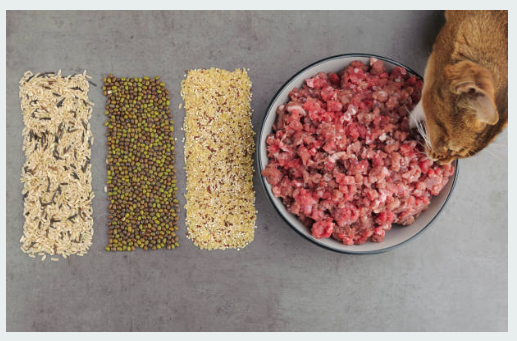
Raw diets, often referred to as "BARF" (Biologically Appropriate Raw Food), involve feeding pets uncooked meats, bones, fruits, and vegetables. Proponents of this diet argue that it mimics the natural diets of wild canines, promoting better health, enhanced energy, and improved overall well-being. However, as we delve into the common myths surrounding these diets, it’s essential to keep in mind the importance of balanced nutrition—something that high-quality organic dog food can provide.
Myth 1: Raw Diets Are Dangerous Due to Pathogens
One of the most pervasive fears around raw diets is the risk of bacterial contamination, particularly from pathogens like Salmonella and E. coli. While it’s true that raw meat can carry bacteria, it’s crucial to understand that all pet diets, whether raw or cooked, can pose some risk when not handled or stored properly. Here are some strategies to minimize health risks:
- Purchase high-quality, fresh ingredients from reliable suppliers to ensure safety.
- Practice safe food handling by washing your hands and using clean utensils and surfaces.
- Consult with your veterinarian about good sources of organic dog food that meet safety standards.
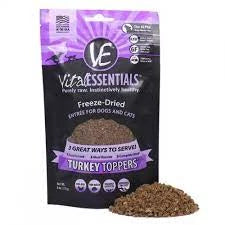
- Consider the use of freeze-dried options that offer the benefits of raw without the same risks.
Myth 2: All Pets Need the Same Raw Diet
Another misconception is the one-size-fits-all approach to raw diets. The nutritional needs of pets can widely vary based on various factors, including their size, age, and health conditions. Dogs and cats have different dietary requirements, and even within species, individual needs may differ. Thus, tailoring a raw diet specifically for your pet is essential. Consider the following as fundamentals:
Factors to Consider for a Customized Raw Diet
For pet owners considering a raw diet, take into account:
| Factor | Description |
|---|---|
| Age | Puppies, adults, and seniors each have unique nutritional needs. |
| Activity Level | More active pets may require a higher caloric intake. |
| Health Status | Pets with specific health issues may need tailored nutrients. |
| Breed | Large breeds may require a different balance of nutrients than small breeds. |
Consulting with a veterinary nutritionist can help develop a raw diet that is suitable and beneficial for your specific pet's needs.
Myth 3: Raw Diets Are Too Expensive to Maintain
Many pet owners worry that switching to a raw diet will break the bank. While it can sometimes be more expensive than traditional kibble, there are cost-effective strategies to make raw feeding affordable:
- Buy in bulk to save on costs—many suppliers offer discount rates.
- Incorporate less expensive protein sources such as chicken necks or organ meats.
- Consider making home-prepared raw meals, which can reduce long-term costs significantly.
- Choose high-quality organic dog food that support a balanced diet without unnecessary fillers.
Myth 4: Cooked Ingredients Are Always Better
Some argue that cooking food makes it safer and more digestible for pets. However, cooking can also destroy vital nutrients and enzymes found in raw ingredients. A balanced raw diet can offer the right mix of vitamins, minerals, and proteins that cooked meals may lack. It's essential to balance your pet's diet with raw and appropriate cooked elements, if necessary, to ensure they receive all essential nutrients.
Myth 5: Raw Diets Lead to Nutritional Deficiencies
Some naysayers claim that feeding pets raw results in widespread nutritional deficiencies. However, a well-researched and planned raw diet can meet all of a pet's nutritional needs. Supplements can also be added to enhance the diet and ensure your pet isn’t missing out on any crucial nutrients. Here are some important components to consider:
- Protein Sources: Ensure to include a variety of different proteins to cover amino acids.
- Fruits and Vegetables: Incorporate a range of organic fruits and vegetables to provide essential vitamins and minerals.
- Fats: Ensure a balanced intake of healthy fats, such as omega-3 and omega-6 fatty acids, to maintain skin and coat health.
- Supplements: Like a quality multivitamin or essential fatty acids, to fill any gaps in nutrition.
Myth 6: Raw Diets Cause Aggression
Another false notion is that raw diets can lead to aggressive behavior in pets. This myth likely stems from wild animal behavior studies, but those findings don’t accurately translate to domestic pets. A dog’s behavior is influenced primarily by genetics, training, and socialization rather than diet alone. Providing a stable environment and proper training can have a more significant impact on your pet's demeanor.
Myth 7: All Bones Are Dangerous for Pets
While some bones can splinter and pose risks, appropriately selected bones are a beneficial component of a raw diet. Raw bones, particularly those that are meaty and flexible, can provide dental health benefits and mental stimulation. Always avoid cooked bones, as they are more likely to splinter. Here are some safe options:
- Raw chicken necks and wings
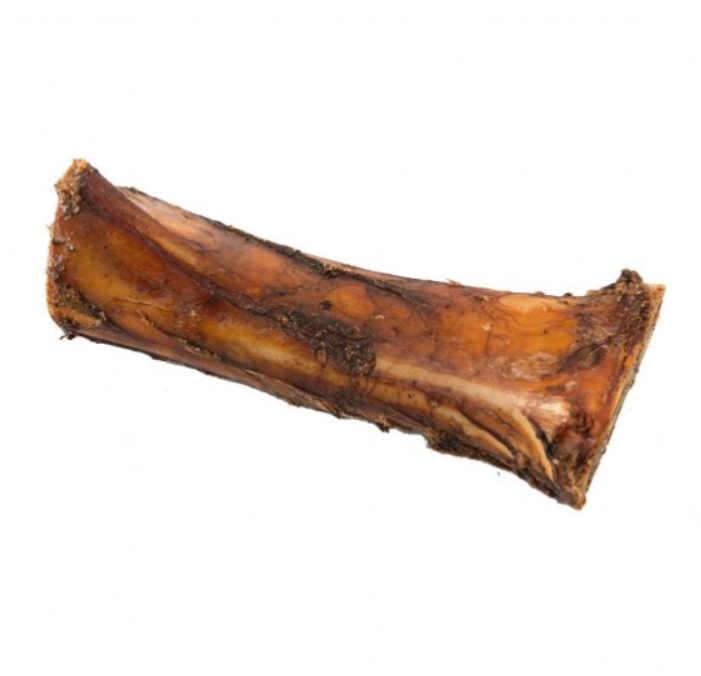
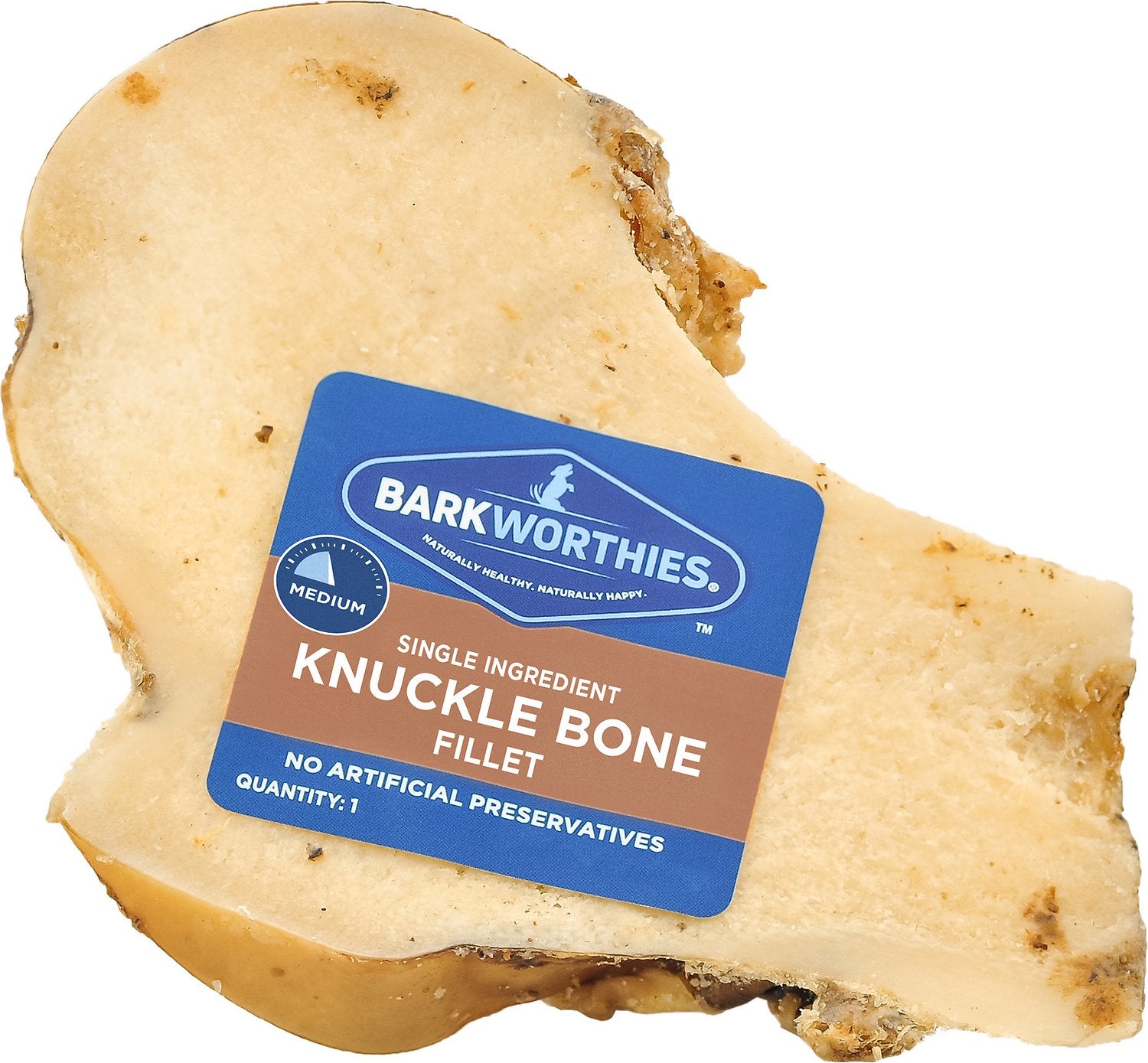
- Raw beef bones with marrow
- Raw turkey necks
- Fish bones (for smaller cats)
Choosing Quality Ingredients for Raw Diets
When transitioning your pet to a raw diet, the quality of the ingredients you choose is paramount. Look for reputable sources that provide high-quality meats and organic produce to ensure that your pet gets the necessary nutrients without harmful additives. Ingredients like organic dog food options can strengthen the diet.
Quality Ingredients Checklist
To build a well-rounded raw diet, here are some tips:
- Choose meats that are humanely raised and free from hormones and antibiotics.
- Opt for organic vegetables to avoid pesticides and additives.
- Incorporate organ meats for high nutrient density.
- Include a variety of proteins to ensure a broad amino acid profile.
Healthy pets often result from diet variety, balanced nutrition, and quality ingredients.
Success Stories from Pet Owners
Many pet owners have successfully transitioned their pets to a raw diet and shared positive results such as improved digestion, increased energy levels, and enhanced coat health. These personal accounts help reinforce the idea that raw feeding can be beneficial when approached correctly.
Real-life Benefits Noted by Pet Owners
- Reduction in allergies and skin conditions
- Firm and healthy stools from a higher digestibility rate
- Better oral health and fresher breath
- Improved weight management through controlled portions
As with any change, monitoring your pet's health during the transition is important, and always consult with your veterinarian before making dietary changes.
Final Thoughts on Raw Diets for Pets
While the journey into the world of raw diets can feel overwhelming due to varying opinions and myths, educating yourself is the key to success. By debunking common misconceptions and understanding the fundamentals of raw feeding, you are well on your way to providing your pet with a nutritious and satisfying diet. Remember to focus on high-quality ingredients, consult professionals, and take note of your pet's individual needs. Explore the possibilities and consider incorporating elements of organic dog food into your pet’s diet, ensuring a holistic and healthful approach for your furry friend!
Frequently Asked Questions
1. What is a raw diet for pets?
2. Are raw diets safe for pets?
3. Do all pets require the same raw diet?
4. Are raw diets expensive?
5. Do raw diets lead to nutritional deficiencies in pets?
Glossary
| Term | Meaning |
|---|---|
| Raw Diet | A feeding approach using uncooked meats, bones, fruits, and vegetables. |
| BARF | An acronym for Biologically Appropriate Raw Food, promoting natural diets for pets. |
| Pathogens | Bacteria like Salmonella and E. coli that can contaminate raw food. |
| Nutritional Needs | Dietary requirements that vary by pet size, age, and health status. |
| Organic Dog Food | High-quality pet food made from organic ingredients without harmful additives. |
| Customized Raw Diet | A tailored feeding plan that meets an individual pet's specific nutritional needs. |
| Supplements | Additional nutrients added to enhance a pet's diet. |
| Cooked Ingredients | Foods that have been prepared through cooking, which may lose some nutrients. |
| Meaty Bones | Raw bones that provide dental health benefits and are safe for pets. |
| Veterinary Nutritionist | A professional who specializes in pet nutrition and can help design diets. |
Linked Product

Smallbatch Dog Turkeybatch Raw Frozen Food
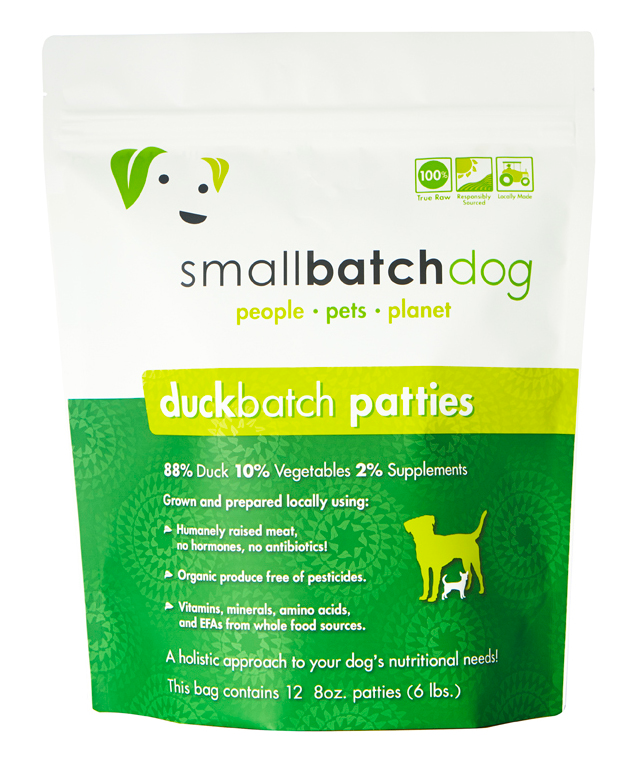
Smallbatch Dog Turkeybatch Raw Frozen Food offers a nutritious and balanced diet for dogs, containing 88% humanely raised turkey and 10% organic produce. This formula is designed to meet the nutritional levels established by AAFCO for all life stages, ensuring your pet receives essential vitamins and minerals. The product is available in convenient sliders and patties, making it easy to tailor portions based on your dog's weight and dietary needs.
View Product
No comments
0 comments