






























































































































































































































































































NEW ARRIVALS







Understanding Your Pet's Nutritional Needs

Overview
This article emphasizes the importance of proper nutrition for pets, detailing their dietary requirements and the impact of a balanced diet on their health and longevity. Readers will learn about essential macronutrients and micronutrients, special dietary needs based on factors like age and health, and tips for selecting high-quality pet food. Additionally, the article provides guidance on transitioning diets and recognizing signs of nutritional deficiencies, ultimately aiming to enhance the well-being of pets.
Table of Contents
- The Importance of Proper Nutrition for Pets
- Understanding Macronutrients
- Understanding Micronutrients
- Special Dietary Needs
- Importance of Quality Ingredients
- Reading Pet Food Labels
- Homemade vs. Commercial Pet Food
- Tips for Transitioning Diets
- Keeping Your Pet Hydrated
- Signs of Nutritional Deficiency
- Final Thoughts: Elevate Your Pet's Life!
Key Takeaways
- Balanced Diet is Essential: Pets require a well-balanced diet to prevent serious health issues such as obesity and diabetes.
- Macronutrients Matter: Pets need proteins, carbohydrates, and fats; each plays a crucial role in their overall health.
- Micronutrients Support Health: Vitamins and minerals are vital for immune function and metabolism.
- Quality Ingredients are Key: Choose pet food with high-quality protein sources and whole food ingredients.
- Transition Diets Gradually: Change your pet's diet slowly over 7-10 days to avoid digestive upset.
- Hydration is Crucial: Always provide fresh, clean water to support digestion and overall health.
- Watch for Deficiency Signs: Be alert to symptoms like excessive shedding or weight loss, which may indicate nutritional issues.
As pet owners, it is our responsibility to ensure that our furry friends are not only loved but also fed properly. Understanding the nutritional needs of pets is crucial for their health, well-being, and longevity. In this article, we'll explore the different dietary requirements of pets, the importance of a balanced diet, and tips for making informed choices.
The Importance of Proper Nutrition for Pets
Just like humans, pets require a well-balanced diet to thrive. Nutritional deficiencies can lead to serious health issues such as obesity, heart disease, diabetes, and even a shortened lifespan. Proper nutrition supports various bodily functions, strengthens the immune system, and maintains healthy skin and coat. Let’s delve into the key components of pet nutrition.
Understanding Macronutrients
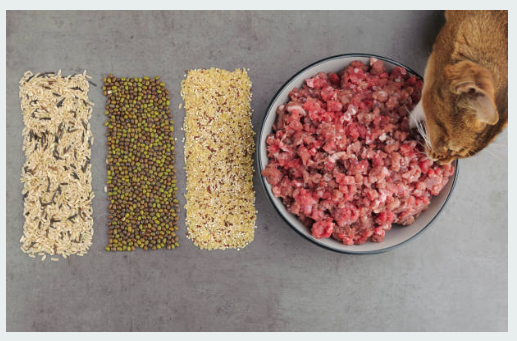
Pets require three main macronutrients that provide energy and support bodily functions: proteins, carbohydrates, and fats. Each of these plays a vital role in your pet's health:
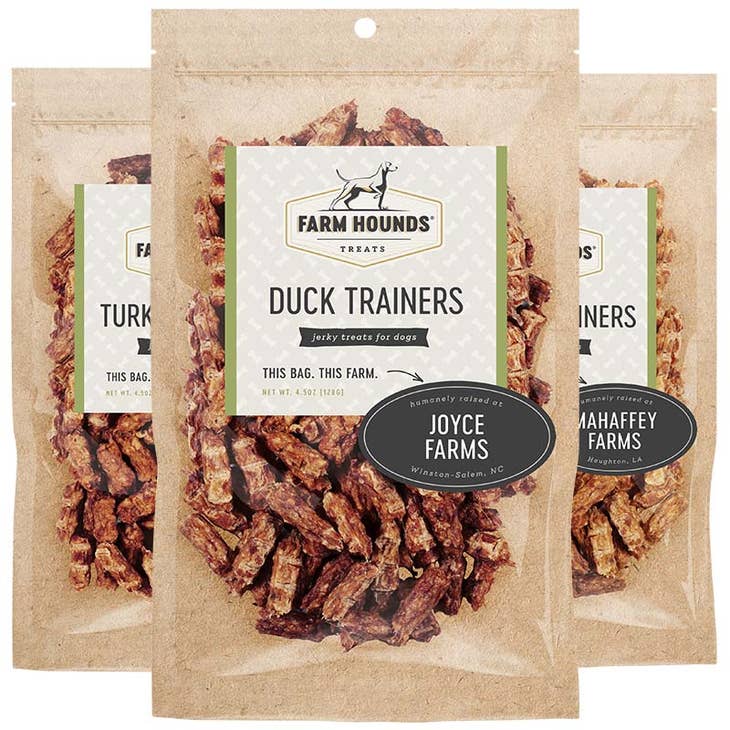
- Proteins: Essential for building and repairing tissues, proteins are made up of amino acids. Pets need a sufficient amount of high-quality protein in their diets. For example, Beef Jerky Dog Treats can be a great source of protein, packed with vitamins and minerals when sourced from quality meat.
- Carbohydrates: While not essential, carbohydrates provide a quick source of energy. They can come from various grains, vegetables, and fruits. A balanced diet will include moderate carbs for energy.
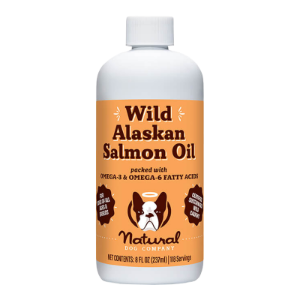
- Fats: Fats are necessary for energy and help absorb fat-soluble vitamins. They also support skin and coat health. Look for healthy fats such as omega-3 and omega-6 fatty acids in your pet's diet.
Understanding Micronutrients
Alongside macronutrients, pets also need vitamins and minerals, collectively known as micronutrients. These nutrients support immune function, aid metabolism, and are crucial for overall health. Here's a brief overview:
| Micronutrient | Function |
|---|---|
| Vitamin A | Supports vision, immune function, and skin health. |
| Vitamin D | Helps absorb calcium and phosphorus for strong bones. |
| Calcium | Essential for bone health and muscle function. |
| Iron | Crucial for transporting oxygen in the blood. |
Special Dietary Needs
It's important to recognize that not all pets have the same dietary needs. Factors such as age, breed, weight, activity level, and health conditions can influence nutritional requirements. For instance:
- Puppies and Kittens: Require more protein and calories to support growth and development.
- Adult Pets: Need a balanced diet that helps maintain weight and overall health.
- Senior Pets: May require diets lower in calories but higher in fiber to aid digestion and maintain a healthy weight.
- Pets with Allergies: May need specialized diets to avoid allergens.
Importance of Quality Ingredients
When selecting pet food, always pay attention to the ingredient list. High-quality sources of protein, such as chicken, beef, or fish, are essential. It's beneficial to choose whole food ingredients rather than by-products. For example, treats made from 100% pasture-raised, grass-fed beef, like Beef Jerky Dog Treats, ensure better nutrition without unwanted additives.
Reading Pet Food Labels
Reading pet food labels can be daunting, but understanding the terminology can make the process easier. Here are some tips:
- Check the Guaranteed Analysis: This provides information on the nutritional content, including protein, fat, and fiber levels.
- Dietary Guidelines: Look for feeding guidelines that suggest the appropriate portion sizes based on your pet’s weight and age.
- Ingredient Lists: Ensure that the first few ingredients are high-quality sources of protein and whole foods.
Homemade vs. Commercial Pet Food
Many pet owners are discovering the benefits of homemade pet food, but it requires careful planning to ensure a balanced diet. If you decide to go this route, consider consulting a veterinarian to create a well-rounded plan that meets all your pet's needs. On the other hand, high-quality commercial diets often undergo rigorous testing and meet nutritional standards established by the Association of American Feed Control Officials (AAFCO).
Tips for Transitioning Diets
If you’re considering changing your pet’s diet, it's essential to do so gradually to avoid digestive upset. Here’s a step-by-step guide:
- Start with a small proportion of the new food mixed with the current food (about 25% new food to 75% old food).
- Gradually increase the new food portion over 7-10 days.
- Monitor your pet for any digestive issues such as diarrhea or vomiting during the transition.
- If any issues arise, slow down the transition and consult your veterinarian.
Keeping Your Pet Hydrated
Don’t forget about hydration! Fresh, clean water should always be available for your pets. Proper hydration is crucial for digestion, absorption of nutrients, and regulating body temperature. Ensure your pet is drinking enough, especially during hot weather or after exercise.
Signs of Nutritional Deficiency
A well-balanced diet will prevent many health issues, but it’s important to be aware of signs indicating potential nutritional deficiencies:
- Excessive Shedding or Dull Coat: May indicate a lack of fatty acids or protein.
- Weight Loss or Poor Muscle Tone: Could be a sign of insufficient calories or protein.
- Behavior Changes: Agitation or lethargy may indicate nutritional deficiencies or excesses.
- Frequent Illness: Suggests a weakened immune system due to poor nutrition.
Final Thoughts: Elevate Your Pet's Life!
Understanding the nutritional needs of pets is essential for enhancing their lives and fortifying their health. By providing a balanced diet rich in quality ingredients, ensuring hydration, and paying attention to their specific needs, you’re setting your furry friends up for a long and happy life. Regular veterinary check-ups can help assess dietary needs and catch any potential health issues early on. Remember, a happy pet is a healthy pet!
For more insights into pet nutrition, wellness, and care, feel free to explore our other articles or connect with our community at PaN Naturals. We're here to help your pets thrive!
Frequently Asked Questions
1. Why is proper nutrition important for pets?
2. What are the key macronutrients that pets need?
3. How can I recognize my pet's special dietary needs?
4. What should I look for when reading pet food labels?
5. How can I ensure my pet stays hydrated?
Glossary
| Term | Meaning |
|---|---|
| Macronutrients | Nutrients needed in large amounts: proteins, carbohydrates, and fats. |
| Micronutrients | Vitamins and minerals required in smaller amounts for health. |
| Proteins | Essential nutrients for building and repairing tissues. |
| Carbohydrates | Provide quick energy; not essential but beneficial. |
| Fats | Necessary for energy and absorption of vitamins. |
| Hydration | Essential for digestion and overall health; fresh water is crucial. |
| Nutritional Deficiency | Health issues caused by lack of essential nutrients. |
| AAFCO | Organization that sets nutritional standards for pet food. |
| Ingredient List | List on pet food packaging detailing the contents. |
| Transitioning Diets | Gradually changing a pet's food to avoid digestive issues. |
Linked Product

Farm Hounds Beef Jerky 3.5oz Dog Treats
Farm Hounds Beef Jerky Dog Treats are made from 100% pasture-raised, grass-fed beef, ensuring a nutritious snack packed with vitamins and minerals. These treats are high in protein and iron, making them suitable for dogs at all life stages and a great option for training rewards. The commitment to sourcing from family farms free of hormones and chemicals adds peace of mind for pet owners.
View Product

No comments
0 comments