
























































































































































































NEW ARRIVALS

Grain-Free Diets: Are They Right for Your Pet?

Overview
Grain-free diets for pets eliminate grains like wheat and corn, focusing on high-quality proteins and vegetables. Benefits may include improved digestion, healthier weight, and increased energy. However, potential risks like nutritional deficiencies and heart health concerns should be considered. Always consult a veterinarian before switching diets and pay attention to your pet's individual needs for a balanced approach.
Table of Contents
- What is a Grain-Free Diet?
- Potential Benefits of Grain-Free Diets
- Improved Digestive Health
- Maintenance of Healthy Weight
- Increased Energy Levels
- Are There Any Risks?
- Potential Nutritional Deficiencies
- Heart Health Concerns
- What to Consider When Choosing Grain-Free Foods
- Pet's Individual Needs
- Quality of Ingredients
- Making the Transition to Grain-Free
- Start Slow
- Observe for Changes
- Consider Grain-Free Treats
- Tips for Maintaining a Balanced Grain-Free Diet
- Regular Vet Check-ups
- Keep Hydration in Mind
- Exploring an Overview of Grain-Free Diet Options
- The Bottom Line: Is Grain-Free Right for Your Pet?
Key Takeaways
- Grain-Free Definition: A grain-free diet eliminates grains like wheat, corn, and rice, focusing on high-quality proteins and vegetables.
- Digestive Health: Many pets experience improved digestion and fewer gastrointestinal issues on a grain-free diet.
- Weight Management: Grain-free diets can help pets maintain a healthy weight due to higher protein and fat content, promoting satiety.
- Energy Levels: Pets may exhibit increased energy and playfulness when switched to grain-free options.
- Nutritional Balance: It's crucial to ensure that grain-free diets are well-balanced to avoid nutritional deficiencies.
- Veterinary Consultation: Always consult with a veterinarian before making significant dietary changes for your pet.
- Gradual Transition: Transitioning to a grain-free diet should be done slowly to minimize digestive upset.
Deciding what to feed your pet can sometimes feel overwhelming, especially with the rise of various dietary trends. One of these trends is the grain-free diet, which has garnered significant attention from pet owners in recent years. This article delves into understanding grain-free diets and whether they are the right choice for your furry friend, particularly when you consider options like 3oz dog treats.
What is a Grain-Free Diet?
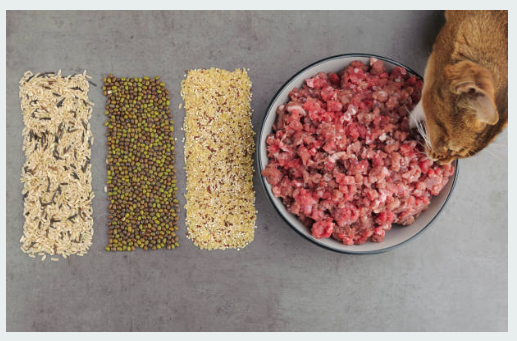
A grain-free diet eliminates all sources of grains from a pet’s food. This typically includes common grains like wheat, corn, and rice. Instead, grain-free diets often consist of high-quality proteins and various vegetables, fruits, and legumes. These diets are believed to mimic what dogs and cats would naturally eat in the wild, prioritizing meat as the primary source of nutrition.
Potential Benefits of Grain-Free Diets
Understanding the benefits of grain-free diets is crucial when determining if they suit your pet's needs. Here are a few advantages that many pet owners report:
Improved Digestive Health
Some pets may have sensitivities or allergies to grains, leading to digestive discomfort. A grain-free diet can alleviate symptoms such as gas, bloating, and diarrhea. By eliminating these grains, pet owners often find that their pets experience enhanced digestion and a more regular bowel schedule.
Maintenance of Healthy Weight
Choosing a grain-free diet may also help pets maintain a healthy weight. These diets typically include high-quality protein sources and healthy fats, which can keep pets feeling full longer. Many pet owners have observed their pets becoming leaner and more active on a grain-free diet.
Increased Energy Levels
Grain-free diets can contribute to more sustained energy levels for pets. Loaded with proteins and healthy fats, these diets are more energizing compared to traditional grain-laden options. Many owners notice improved playfulness and vitality in their pets after switching to grain-free meals.
Are There Any Risks?
While there are many potential benefits, it's essential to approach grain-free diets with caution. Not every pet will thrive on this type of diet, and some risks should be considered:
Potential Nutritional Deficiencies
A well-balanced diet is crucial for your pet's overall health. If a grain-free diet isn't properly formulated, there could be nutritional deficiencies, particularly in essential vitamins and minerals typically found in grains. Always ensure that the grain-free dog food or treats you choose is complete and balanced for your pet.
Heart Health Concerns
Some studies have suggested a link between grain-free diets (often high in peas and lentils) and canine dilated cardiomyopathy (DCM), a serious heart condition. While current research is still unfolding, it’s wise to monitor your pet’s health and stay informed. Consulting with your veterinarian before making any drastic dietary changes is always a good practice.
What to Consider When Choosing Grain-Free Foods
Before making the switch to grain-free for your pet, consider the following factors:
Pet's Individual Needs
Each pet is unique, with varying nutritional needs. Factors such as age, breed, activity level, and existing health conditions play a significant role in determining the best diet. Consult your veterinarian to assess whether a grain-free diet is suitable for your furry companion.
Quality of Ingredients
Not all grain-free products are created equal. Look for high-quality protein sources listed as the primary ingredients. Additionally, consider incorporating whole-food ingredients like fruits and vegetables, which can contribute to a balanced diet. Treats like 3oz dog treats can also be included as they may provide additional nutrition and variety while following a grain-free regimen.
Making the Transition to Grain-Free
Transitioning your pet to a grain-free diet should be a gradual process. Here’s how you can make the switch smoothly:
Start Slow
Begin by mixing a small amount of the new grain-free food in with your pet's current diet. Gradually increase the proportion of the new food over a week or two to minimize digestive upset.
Observe for Changes
Monitor your pet’s reaction to the new diet. Look for any signs of allergies or digestive issues. If any negative symptoms arise, consult your vet immediately.
Consider Grain-Free Treats
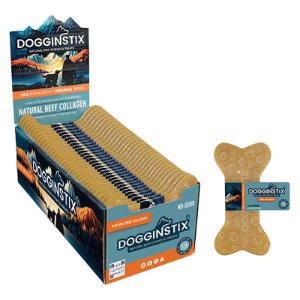
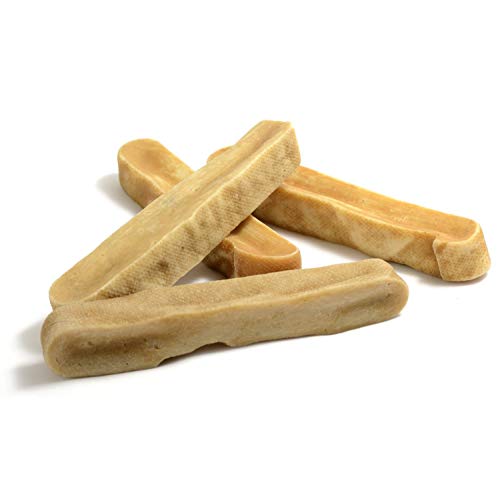
As you transition your pet, consider grain-free treats such as 3oz dog treats. These treats can provide a satisfying reward without the grains that some pets may struggle to digest.
Tips for Maintaining a Balanced Grain-Free Diet
To ensure that your pet remains healthy on a grain-free diet, keep these tips in mind:
Regular Vet Check-ups
Regular veterinary visits are essential to assess your pet's health and diet. Your vet can guide you on the best practices for feeding your pet a balanced grain-free diet and can provide advice on any necessary supplements.
Keep Hydration in Mind
Regardless of diet, always ensure that your pet has access to fresh water. Proper hydration is crucial for their health, particularly when transitioning to dry grain-free foods.
Exploring an Overview of Grain-Free Diet Options
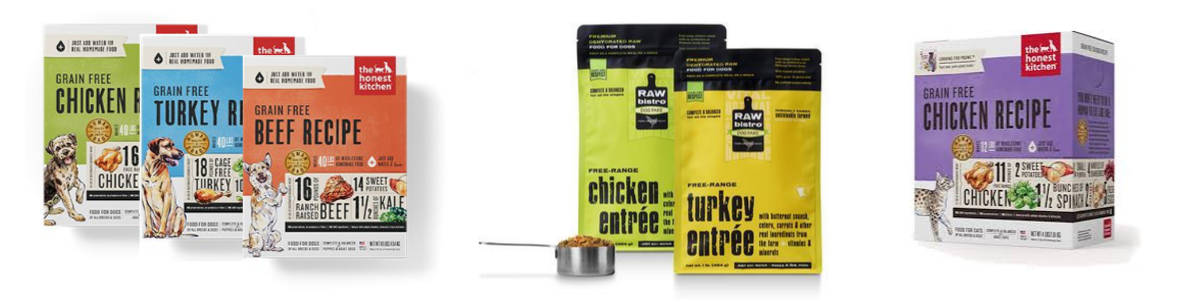
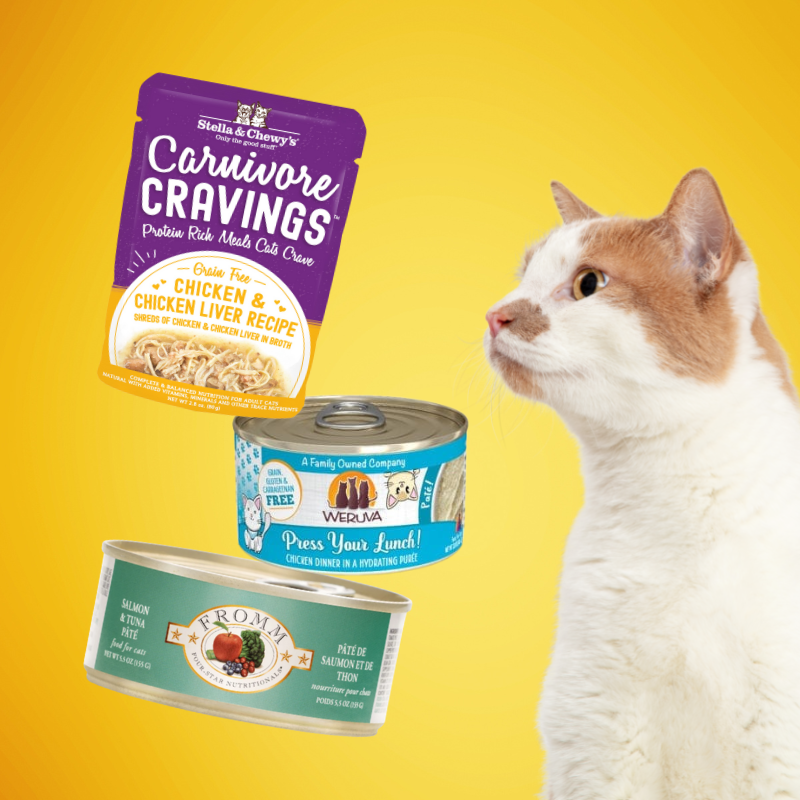
Grain-free options are diverse, ranging from kibble to wet foods and treats. Below is an overview of different grain-free products available in the market:
- Grain-Free Kibble: Dry foods that eliminate grains but include high-quality proteins and vegetables.
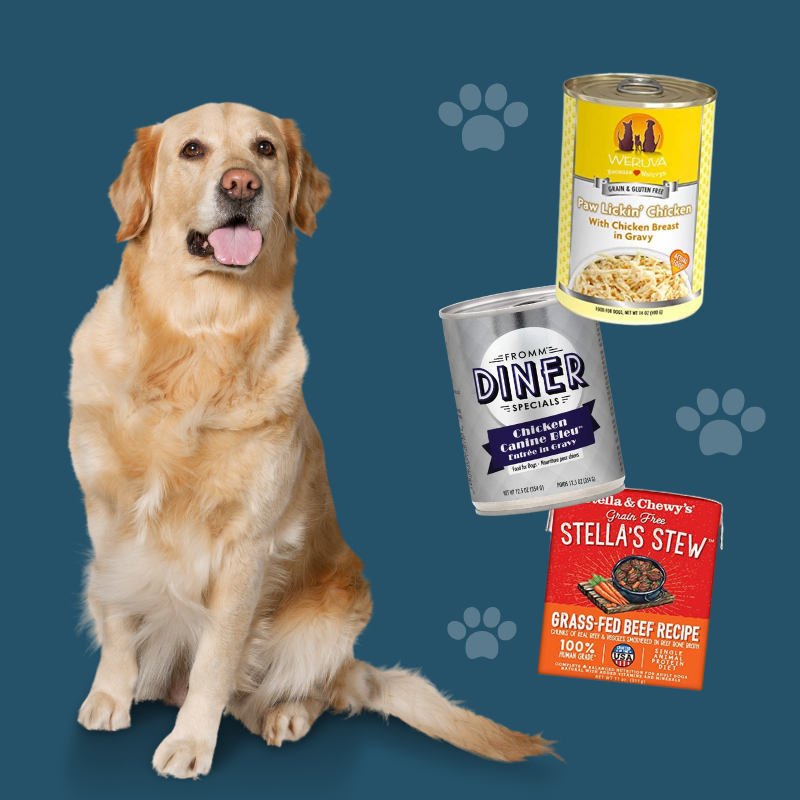
- Wet Grain-Free Food: Canned options that can provide extra hydration and appealing flavors.
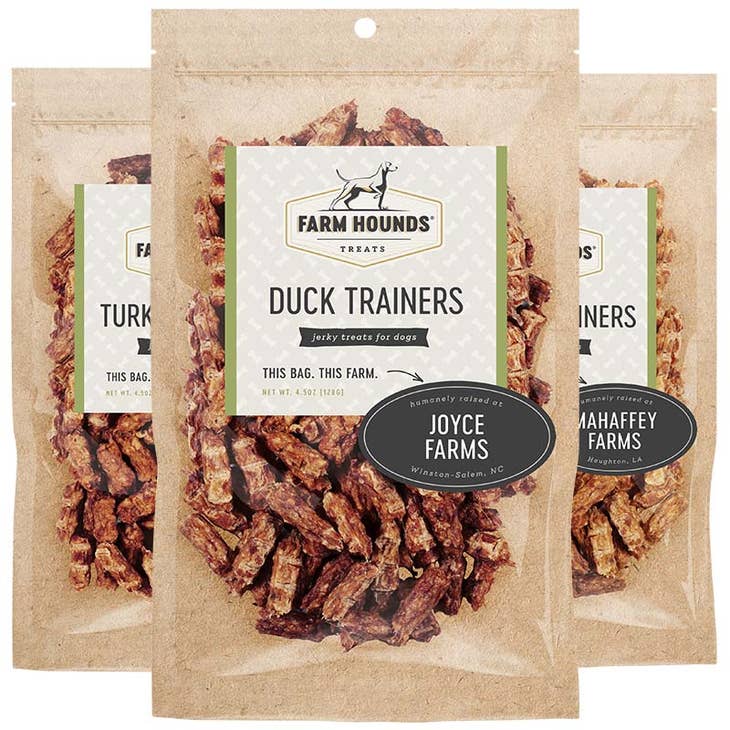
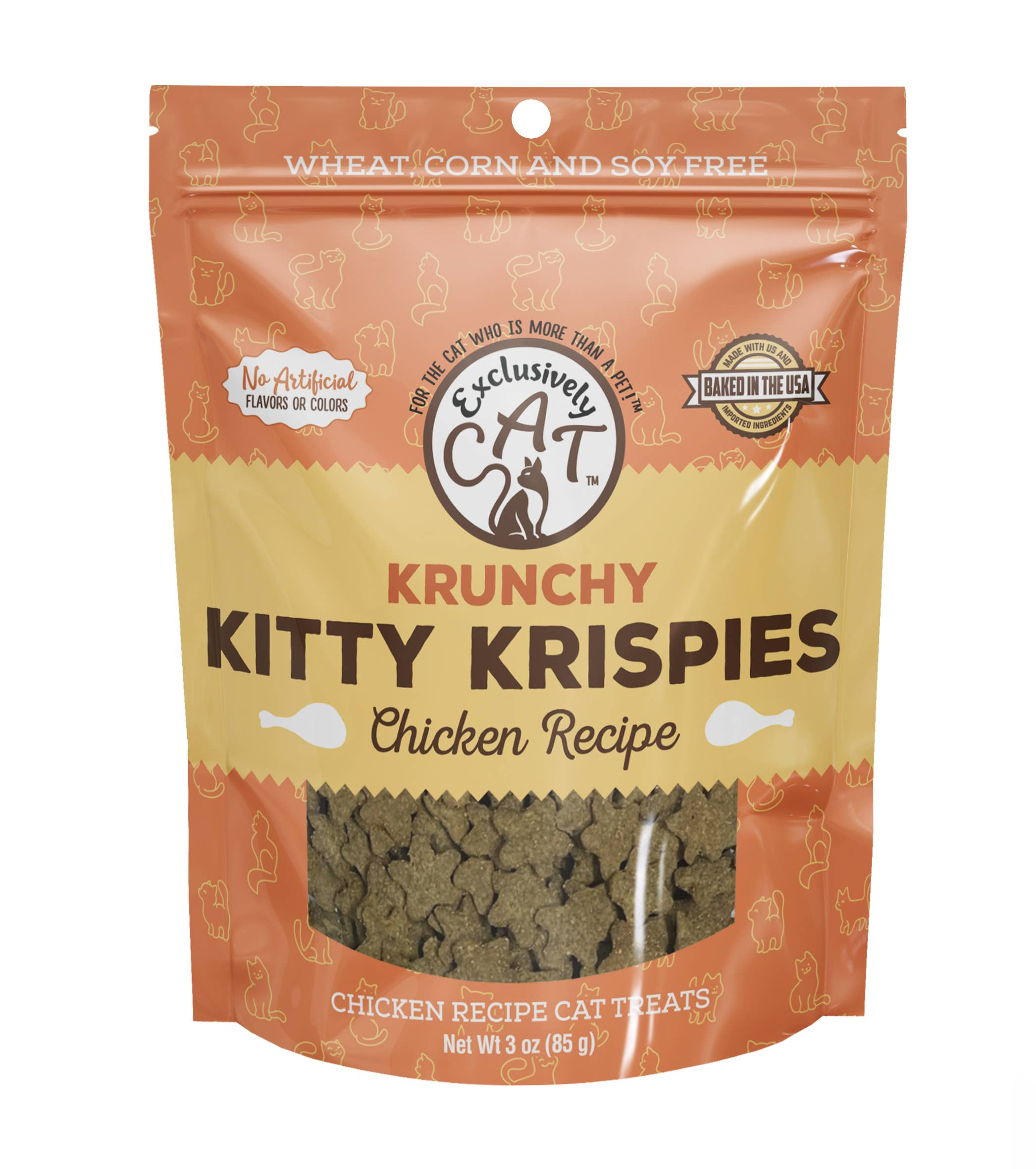
- Grain-Free Treats: Snacks like 3oz dog treats can be a great way to reward your pet while sticking to their grain-free regime.
The Bottom Line: Is Grain-Free Right for Your Pet?
The decision to switch your pet to a grain-free diet ultimately depends on their individual needs and health considerations. Grain-free diets may offer advantages for some pets, particularly those with sensitivities to grains. However, others may thrive on traditional diets with grains included. Always consult a veterinarian to ensure that any dietary change is suitable for your pet’s specific health needs.
Maintaining a healthy and balanced diet is an integral part of your pet's overall well-being. Whether it's incorporating 3oz dog treats or opting for grain-free options, ensuring your furry friend enjoys a nutritious, happy life is the most important goal. Embrace the journey of finding what works best for your pet and enjoy the process of exploring their diet together!
Frequently Asked Questions
1. What is a grain-free diet for pets?
2. What are the potential benefits of a grain-free diet for my pet?
3. Are there any risks associated with grain-free diets?
4. What should I consider before switching to a grain-free diet for my pet?
5. How can I transition my pet to a grain-free diet smoothly?
Glossary
| Term | Meaning |
|---|---|
| Grain-Free Diet | A diet that excludes all grains, focusing on proteins and vegetables. |
| Digestive Health | The overall well-being of the digestive system, often improved on grain-free diets. |
| Nutritional Deficiencies | Shortages of essential nutrients that may occur if diets are not well-balanced. |
| Canine Dilated Cardiomyopathy (DCM) | A serious heart condition potentially linked to certain grain-free diets. |
| High-Quality Proteins | Protein sources that provide essential amino acids for pet health. |
| 3oz Dog Treats | Small, grain-free snacks designed for rewarding pets. |
| Hydration | The process of maintaining adequate water intake for pet health. |
| Veterinary Consultation | Professional advice from a vet regarding pet diet and health. |
| Transitioning | The gradual process of switching a pet's diet to avoid digestive issues. |
| Whole-Food Ingredients | Natural food components like fruits and vegetables that enhance nutrition. |
Linked Product

Smart Cookie Jerky Dog Treats 3oz
Smart Cookie Jerky Dog Treats are a 3oz snack option for dogs, designed to cater to a grain-free diet. These treats can be a tasty reward for your pet, making them suitable for training or casual snacking. Their jerky texture may also appeal to dogs who enjoy chewier treats.
View Product

No comments
0 comments