






























































































































































































































































































NEW ARRIVALS




Boost Your Pet's Nutrition: Adding Vegetables to Their Raw Diet

Overview
As a pet owner, enhancing your furry friend's raw diet with vegetables can significantly boost their health and happiness. Incorporating nutrient-rich veggies not only provides essential vitamins and minerals but also adds variety to meals, making them more enjoyable. Learn how to choose, prepare, and introduce these vegetables safely to ensure your pet thrives on a balanced diet.
Table of Contents
- Why Incorporate Vegetables into Your Pet's Diet?
- Choosing the Right Vegetables
- How to Prepare Vegetables for Your Pet's Raw Diet
- 1. Cooking Methods
- 2. Raw Options
- Spacing Your Vegetable Servings
- Special Considerations for Cats and Dogs
- Safe Vegetables for Dogs
- Cats and Vegetables
- The Final Taste Test: Monitoring Your Pet's Response
- Enhancing Your Raw Diet Approach
Key Takeaways
- Incorporate Vegetables: Adding vegetables to your pet's raw diet can enhance their nutrition by providing essential vitamins, minerals, and antioxidants.
- Boost Digestive Health: Many vegetables are high in dietary fiber, which aids digestion and helps prevent gastrointestinal issues.
- Weight Management: Vegetables are low in calories and can help pets maintain a healthy weight while feeling full.
- Select Safe Options: Choose vet-recommended vegetables like sweet potatoes, carrots, green beans, pumpkin, and spinach for your pet's diet.
- Proper Preparation: Cook vegetables through steaming, boiling, or baking to improve digestibility, or serve them raw after thorough washing.
- Gradual Introduction: Introduce vegetables slowly into your pet's diet to avoid digestive upset, monitoring their response closely.
- Consult Your Veterinarian: Always discuss dietary changes with your vet, especially when adding new foods to ensure they meet your pet's nutritional needs.
As pet owners, ensuring our furry friends enjoy a balanced and nutritious diet is essential for their health and happiness. Over the years, the raw diet has gained popularity among pet owners looking to provide their pets with natural, wholesome food options. One innovative way to enhance this diet is by incorporating vegetables, which can offer numerous health benefits while adding variety to your pet's meals. In this article, we’ll explore how to effectively add vegetables to your pet's raw diet, the benefits they bring, and some tips for choosing the right ones!
Why Incorporate Vegetables into Your Pet's Diet?
Vegetables are often overlooked in pet diets, but they play a significant role in providing essential nutrients. Here are a few compelling reasons to consider including them in your pet's raw diet:
- Nutrient Boost: Vegetables are packed with vitamins, minerals, and antioxidants that can enhance your pet’s immune function, skin health, and overall wellness.
- Digestive Health: Many vegetables contain dietary fiber, which aids in digestion and can help prevent constipation and other gastrointestinal issues.
- Weight Management: Vegetables are generally low in calories and can make a fulfilling addition to your pet's diet, helping them maintain a healthy weight.
- Flavor and Texture Variety: Incorporating vegetables can add different textures and flavors to meals, making mealtime more enjoyable for your pet.
Choosing the Right Vegetables
Not all vegetables are suitable for your pet. It’s important to select those that are safe and beneficial. Here’s a quick guide to some vet-recommended vegetables that can be beneficial for dogs and cats:
| Vegetable | Benefits | Preparation Tips |
|---|---|---|
| Sweet Potatoes | High in vitamins A and C; good for digestion | Cook and mash or dice into small pieces |
| Carrots | Great for dental health; rich in beta-carotene | Raw or cooked, sliced into sticks or small pieces |
| Green Beans | Low in calories; high in fiber; supports weight management | Steam or serve raw, cut into small pieces for easy chewing |
| Pumpkin | Good for digestion; helps with moisture and fiber intake | Use canned (unsweetened) or cooked fresh pumpkin |
| Spinach | Rich in iron and vitamins; supports overall health | Lightly steamed to enhance digestibility |
How to Prepare Vegetables for Your Pet's Raw Diet
Once you’ve chosen the right vegetables, it’s important to prepare them correctly to maximize their nutritional benefits. Here are some preparation methods:
1. Cooking Methods
Cooking vegetables can help break down tough fibers, making them easier for your pet to digest. Here are some cooking methods:
- Steaming: This retains most of the nutrients while making them tender.
- Boiling: A quick boil can soften vegetables, but try not to overcook them to prevent nutrient loss.
- Baking: Roasted vegetables can add a delicious flavor, but be sure to avoid adding any seasoning.
2. Raw Options
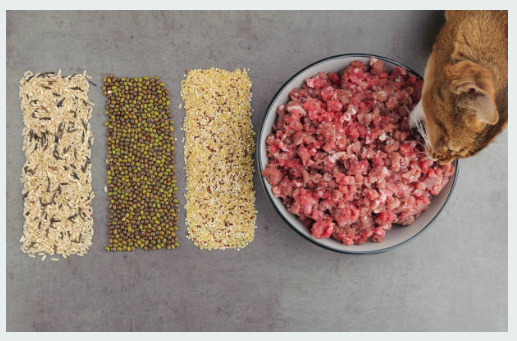
Some vegetables can be served raw. Always wash them thoroughly to remove any pesticides or contaminants. Chop vegetables into manageable sizes to help prevent choking and aid digestion. Consider mixing them into your pet’s raw meal or serving them as tasty snacks.
Spacing Your Vegetable Servings
When adding vegetables to your pet's diet, it's crucial to introduce them gradually. Sudden changes in diet can lead to digestive issues. Here’s how to incorporate them:
- Start with a small amount of vegetable mixed into their regular diet.
- Monitor your pet for any signs of digestive upset.
- If they adjust well, gradually increase the amount over the next week or two.
- Continue to vary the types of vegetables to maintain interest and nutritional balance.
Special Considerations for Cats and Dogs
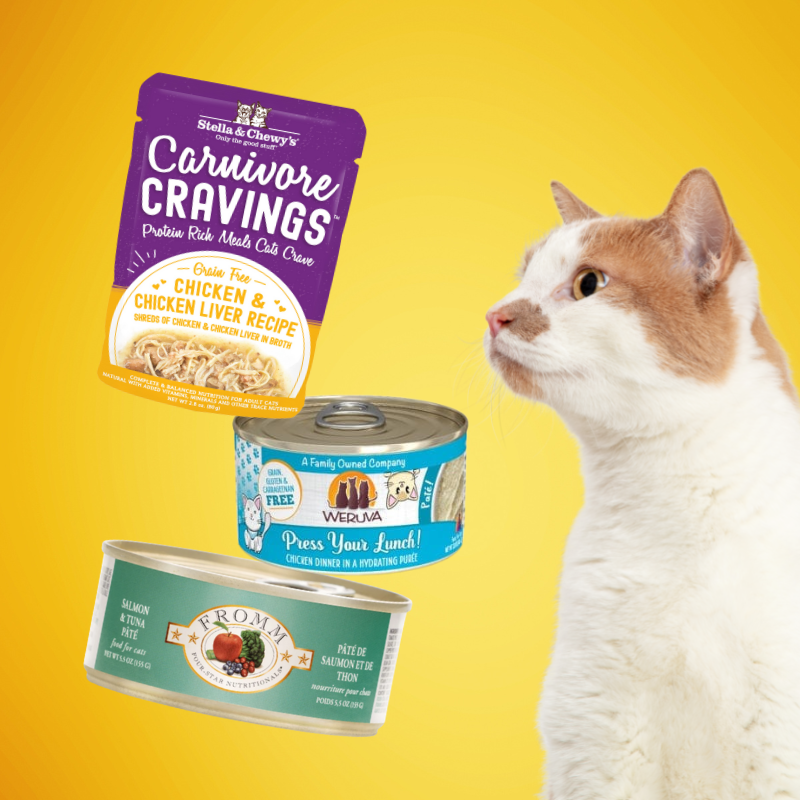
While many vegetables are safe for dogs, some may not be suitable for cats. Many feline diets require a careful balance of protein and may benefit from vet formulated cat food that meets these dietary needs. Always consult with your veterinarian before making significant changes to your pet's diet, especially if you are considering adding new foods.
Safe Vegetables for Dogs
Dogs typically digest vegetables quite well. A variety of options like carrots, peas, and sweet potatoes can be great additions. They can be included in raw meals without issues. Dogs often enjoy crunchy textures, making raw vegetables a lovely treat!
Cats and Vegetables
When it comes to felines, their diet focuses on meats, and many cats may not be inclined to eat vegetables. That said, certain vegetables such as pumpkin and spinach can be beneficial when offered in moderation. If you choose to introduce vegetables, remember that vet formulated cat food should still primarily make up your cat's diet to ensure they receive adequate nutrients and energy.
The Final Taste Test: Monitoring Your Pet's Response
After incorporating vegetables into your pet's raw diet, monitor their behavior and health. Take note of their energy levels, coat condition, and overall well-being. Increased vitality and improved digestion may indicate a positive dietary change! If any adverse reactions arise, such as gastrointestinal upset or a reluctance to eat, reevaluate the introduced vegetables.
Remember, pets, much like humans, have preferences. Experiment with various vegetables and preparation methods to discover what your furry friends enjoy the most. Your pet’s taste buds and health will thank you!
Enhancing Your Raw Diet Approach
Caring for your pet involves a commitment to providing high-quality nutrition. As you venture into incorporating vegetables, maintain a dialogue with your veterinarian to ensure your meal plans align with their health needs. Combining vet formulated cat food and a variety of added vegetables can create a vibrant and healthy diet.
Ultimately, the journey of improving your pet's nutrition by adding vegetables to their raw diet can be rewarding for both you and your four-legged companion. By taking the proper steps, you’ll not only enhance their meals but also boost their overall health and wellbeing. Here’s to a happy, healthy, and well-fed pet!
Frequently Asked Questions
1. Why should I incorporate vegetables into my pet's raw diet?
2. What vegetables are safe and beneficial for dogs and cats?
3. How should I prepare vegetables for my pet?
4. How do I introduce vegetables to my pet's diet?
5. What should I monitor after adding vegetables to my pet's diet?
Glossary
| Term | Meaning |
|---|---|
| Nutrient Boost | Enhancement of health through vitamins and minerals in food. |
| Digestive Health | Improvement of digestion and prevention of gastrointestinal issues. |
| Weight Management | Maintaining a healthy weight through low-calorie food options. |
| Flavor Variety | Diversity in taste and texture to make meals enjoyable. |
| Preparation Tips | Guidelines for cooking or serving vegetables safely. |
| Safe Vegetables | Vegetables that are non-toxic and beneficial for pets. |
| Vet Formulated | Commercial pet food designed to meet specific dietary needs. |
| Monitoring | Observing pet behavior and health after dietary changes. |
| Raw Diet | A feeding regimen consisting mainly of uncooked foods. |
| Cooking Methods | Various techniques to prepare vegetables for easier digestion. |
Linked Product

Open Farm Cat Veternarian Formulated Tailored Needs Health Pâtés Canned Cat Food
Open Farm Cat Veterinarian Formulated Tailored Needs Health Pâtés offer a range of vet-formulated, grain-free recipes designed to support various health needs in cats. These complete and balanced meals feature high-quality ingredients, such as wild-caught fish and non-GMO fruits and vegetables, to promote digestive health, skin and coat vitality, and healthy weight management. Each pâté is crafted to be easily digestible, making it suitable for cats with sensitive stomachs or specific dietary requirements.
View Product
No comments
0 comments