

























































































































































































NEW ARRIVALS


The Role of Protein in Your Pet's Diet

Overview
Prioritizing protein in your pet's diet is essential for their health and wellbeing. Dogs and cats require specific protein levels based on their age, size, and activity. High-quality protein supports muscle development, immune function, and overall vitality. Incorporate protein-rich foods and treats, like turkey dog treats, into their meals and monitor for signs of deficiency. Always consult your veterinarian for tailored dietary advice.
Table of Contents
- Understanding Protein and Its Functions
- Protein Requirements for Dogs
- Essential Protein Sources for Cats
- The Benefits of High-Quality Protein
- Better Digestibility
- Improved Skin and Coat Health
- Increased Energy Levels
- Integrating Protein into Your Pet's Diet
- Choose Premium Pet Food
- Incorporate Treats Wisely
- Consider Homemade Diets
- Watch Out for Signs of Protein Deficiency
- Know Your Pet’s Unique Needs
- Nourish Their Body and Soul
Key Takeaways
- Protein is essential for pets: It supports muscle development, immune function, hormone regulation, and enzymatic functions.
- Recommended protein levels: Adult dogs need at least 18% crude protein, while puppies require 22%. Adult cats need a minimum of 26%, and kittens need around 30%.
- High-quality protein benefits: It improves digestibility, skin and coat health, and increases energy levels in pets.
- Incorporate protein-rich foods: Use premium pet food with high-quality protein sources as the main ingredient and consider protein-rich treats like Turkey dog treats.
- Monitor for deficiency signs: Watch for weight loss, muscle weakness, poor coat condition, decreased energy, and slow wound healing as indicators of protein deficiency.
- Consult your veterinarian: Always seek professional advice for dietary changes tailored to your pet’s specific health and lifestyle needs.
- Homemade diets can be beneficial: If you prefer DIY meals, ensure they include lean meats and follow proper recipes for balanced nutrition.
When it comes to pet health, nutrition plays a pivotal role in their overall wellbeing, especially for dogs and cats. Among the various nutrients that contribute to a balanced diet, protein stands out as essential for maintaining optimal health. In this blog post, we’ll explore the significance of protein in the diets of our furry companions, helping you to understand why you should prioritize protein-rich foods, including Turkey dog treats, in their daily meals.
Understanding Protein and Its Functions
Protein is an essential macronutrient composed of amino acids, which are vital for numerous physiological functions. These amino acids are classified into two categories: essential and non-essential. Essential amino acids cannot be synthesized by the body and must be obtained through diet, while non-essential amino acids can be produced internally. Pets rely on these amino acids for several crucial bodily functions, including:
- Muscle Development: Proteins are the building blocks of muscle tissues. Adequate protein intake helps in growth, maintenance, and repair of muscles.
- Immune Function: Proteins play a vital role in producing antibodies that fend off infections and support the immune system.
- Hormone Regulation: Many hormones are proteins or peptides that regulate various biological processes in pets, from metabolism to stress response.
- Enzymatic Functions: Proteins, in the form of enzymes, facilitate biochemical reactions essential for digestion and energy production.
Protein Requirements for Dogs
The protein needs of dogs can vary significantly based on factors such as age, size, breed, and activity level. Generally, the Association of American Feed Control Officials (AAFCO) recommends a minimum of:
- 18% crude protein in the diet of adult dogs.
- 22% crude protein for puppies and young dogs that are still growing.
Active dogs, especially those involved in working or competitive sports, may require even higher levels of protein to support their energy demands and muscle recovery. Incorporating high-quality protein sources into their diet, such as Turkey dog treats, can help fulfill their nutritional requirements while providing them with a tasty reward.
Essential Protein Sources for Cats
As obligate carnivores, cats have unique protein needs that are typically higher than those of dogs. They require a diet that is significantly higher in protein content due to their evolutionary adaptations. The minimum protein requirement set by AAFCO for adult cats is:
- 26% crude protein
Kittens have even greater needs, with recommendations as high as:
- 30% crude protein
Unlike dogs, cats derive most of their energy from proteins. That's why including protein-rich foods and treats, including Turkey dog treats (which can also be enjoyed by cats), is crucial for maintaining their health, energy levels, and overall vitality.
The Benefits of High-Quality Protein
When choosing protein sources for your pets, it’s vital to select high-quality options. Low-quality proteins may lack essential amino acids or contain harmful additives. Here are some notable benefits of high-quality protein for your furry friends:
Better Digestibility
High-quality proteins are easier for pets to digest and absorb. This can lead to better nutrient utilization and can also improve stool quality and reduce waste, making clean-up easier for pet owners!
Improved Skin and Coat Health
Protein supports skin elasticity and promotes a healthy shine in your pet's coat. Insufficient protein can lead to dull fur and may even cause skin issues, making it essential to ensure your pets receive enough high-quality protein in their diets.
Increased Energy Levels
Dogs and cats that have a protein-rich diet tend to have higher energy levels. This is especially important for active pets or those recovering from health issues, as protein provides the necessary energy for activity and recovery.
Integrating Protein into Your Pet's Diet
The great news is that there are many ways to incorporate protein into your dog or cat's diet. Here are some strategies you can use:
Choose Premium Pet Food
Selecting a high-quality pet food that lists a protein source, such as chicken, fish, or turkey, as the main ingredient will ensure your pet receives all the essential nutrients they need. Look for feeds specifically labeled as “high-protein” or “grain-free” as they generally offer better protein sources.
Incorporate Treats Wisely
In addition to regular meals, using protein-rich treats, like Turkey dog treats, can be an excellent way to supplement your pet's protein intake. When choosing treats, opt for those with minimal additives that focus on natural ingredients – not only do they taste great, but they also provide satisfactory protein levels to further support your pet's health.
Consider Homemade Diets
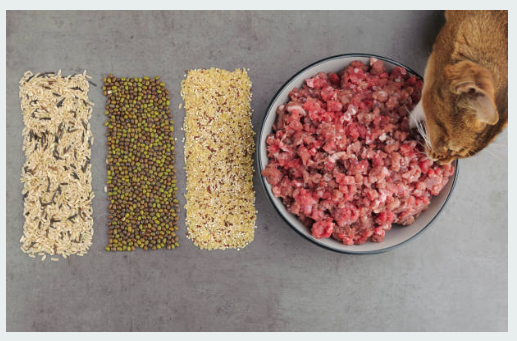
If you prefer a DIY approach, consider making homemade meals that incorporate lean meats, eggs, and other protein sources. Ensure you research proper recipes to provide balanced nutrition, avoiding any harmful ingredients.
Watch Out for Signs of Protein Deficiency
It's essential to monitor your pet’s health and behavior closely. Some signs that may indicate a protein deficiency include:
- Weight loss
- Muscle wasting or weakness
- Poor coat condition
- Decreased energy levels
- Slow healing of wounds
If you notice any of these symptoms, it’s crucial to consult with your veterinarian to evaluate your pet's diet and consider adjustments to their protein intake.
Know Your Pet’s Unique Needs
Each pet is unique, and their individual health, lifestyle, and age will dictate specific dietary requirements. Puppies and kittens generally require higher levels of protein to support their rapid growth, while senior pets may have different needs based on health issues like kidney disease.
Always consult with your veterinarian when making significant changes to your pet's diet. They'll provide guidance catering to your pet's specific needs, ensuring they receive a balanced mix of nutrients to thrive.
Nourish Their Body and Soul
Nourishing your furry friend's body with protein-rich foods not only contributes to their physical health but also enhances their quality of life. Dogs and cats that receive adequate protein tend to exhibit higher energy levels and overall vitality, allowing for more playtime and bonding experiences with their owners. So, whether you opt for premium pet food, homemade meals, or tasty Turkey dog treats, focusing on protein in your pets’ diets is integral to their well-being.
Your pets depend on you for their health and happiness, and prioritizing protein is one way to ensure they live a long, vibrant life. Make informed choices, pay attention to their nutritional needs, and watch them thrive!
Frequently Asked Questions
1. Why is protein important for pets?
2. What are the recommended protein requirements for dogs?
3. How much protein do cats require?
4. What are the benefits of high-quality protein for pets?
5. What should I do if I notice signs of protein deficiency in my pet?
Glossary
| Term | Meaning |
|---|---|
| Protein | Essential macronutrient made of amino acids for bodily functions. |
| Amino Acids | Building blocks of proteins; essential and non-essential types. |
| Crude Protein | Measured percentage of protein content in pet food. |
| Obligate Carnivores | Animals that require a diet primarily made of meat. |
| High-Quality Protein | Protein sources that are easily digestible and nutrient-rich. |
| Turkey Dog Treats | Protein-rich snacks suitable for both dogs and cats. |
| Protein Deficiency | A lack of adequate protein leading to health issues. |
| Veterinarian | A medical professional specializing in animal health. |
| Homemade Diets | DIY meals prepared at home to meet pets' nutritional needs. |
| Energy Levels | Measure of a pet's vitality and activity capacity. |
Linked Product

Open Farm Be Good Bites Soft & Chewy Turkey 6oz Dog Treats
Open Farm Be Good Bites Soft & Chewy Turkey Treats are made with humanely raised turkey as the primary ingredient, ensuring a high-quality snack for dogs. These treats feature a soft texture and are low in calories, making them a healthy option for training or rewarding your pet. Additionally, with 30% upcycled ingredients, they contribute to sustainable pet care practices.
View Product

No comments
0 comments