









































































































































































































NEW ARRIVALS






Choosing the Perfect Treats for Your Pets

Overview
Choosing the right treats for your pets is essential for their happiness and health. Consider their unique needs, such as species, breed, age, size, and any health conditions. Opt for high-quality ingredients, avoid artificial additives, and assess their flavor and texture preferences. Maintain portion control to prevent overindulgence, and store treats properly to keep them fresh. Treats can enhance training, promote dental health, and provide mental stimulation. With thoughtful selection, you can ensure your pets enjoy treats that are both enjoyable and beneficial.
Frequently Asked Questions
1. Why are treats important for my pet?
2. What factors should I consider when choosing pet treats?
3. What types of pet treats are there?
4. What ingredients should I look for in pet treats?
5. How can I ensure my pet likes the treats I choose?
When it comes to keeping your furry friends happy, healthy, and engaged, choosing the right treats is just as important as picking the right food. Treats can serve various purposes, from rewarding good behavior and enhancing training experiences to providing mental stimulation and helping manage weight. With so many options available, how do you know which treats are the best for your beloved pets? This guide will walk you through the essential considerations for selecting the perfect treats, ensuring that you make informed and beneficial choices for your pets.
Understanding Your Pet's Needs
Before diving into the world of pet treats, it's essential to understand your pet's unique needs, preferences, and dietary restrictions. Here are some key factors to consider:
Species and Breed
Different pets have different needs. For instance, what works for dogs might not be suitable for cats. Similarly, certain breeds may have unique requirements. Research your pet's breed to learn about any specific dietary needs or food sensitivities that could influence treat selection.
Age and Size
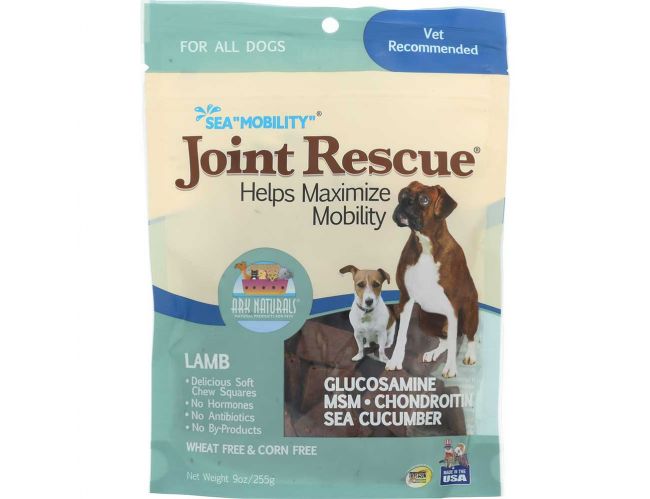
Your pet's age and size play a significant role in determining the right treats. Puppies and kittens will likely need growth-focused treats, while older pets might benefit from joint-supporting options. Additionally, smaller pets may require treats that are appropriately sized to avoid choking hazards.
Health Conditions
If your pet has underlying health issues such as allergies, diabetes, or obesity, it's crucial to choose treats that align with their health needs. Consult with your veterinarian for tailored recommendations that will support your pet's overall well-being.
Types of Pet Treats
There are numerous types of pet treats available, each offering unique benefits. Narrowing down your choices will help you make an informed decision that aligns with your pet’s needs and preferences.
Training Treats
Training treats are small, soft, and easy to chew. They are ideal for rewarding good behavior during training sessions. Look for low-calorie options to prevent overfeeding while providing the motivation your pet needs to learn new commands.
Dental Treats
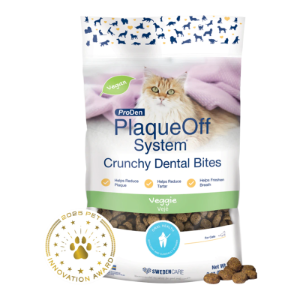
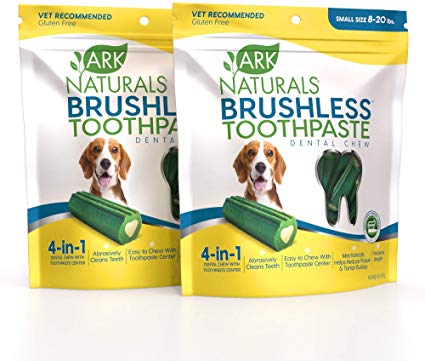
Dental treats can help improve your pet's oral hygiene by reducing plaque and tartar buildup. Consider treats designed specifically for teeth cleaning, as they can also freshen your pet's breath. Always supervise your pet while they enjoy these treats to ensure safe chewing.
Chewy Treats
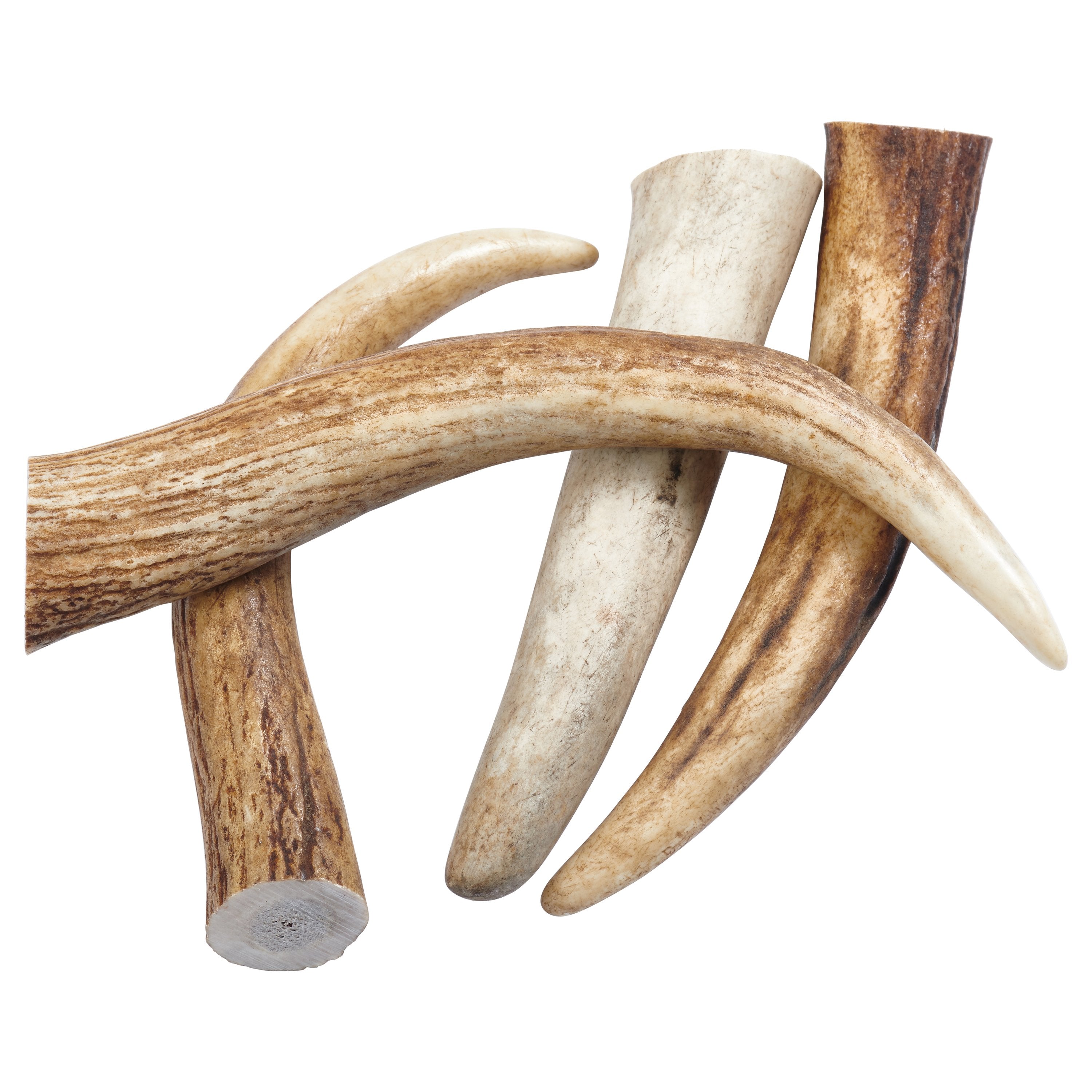
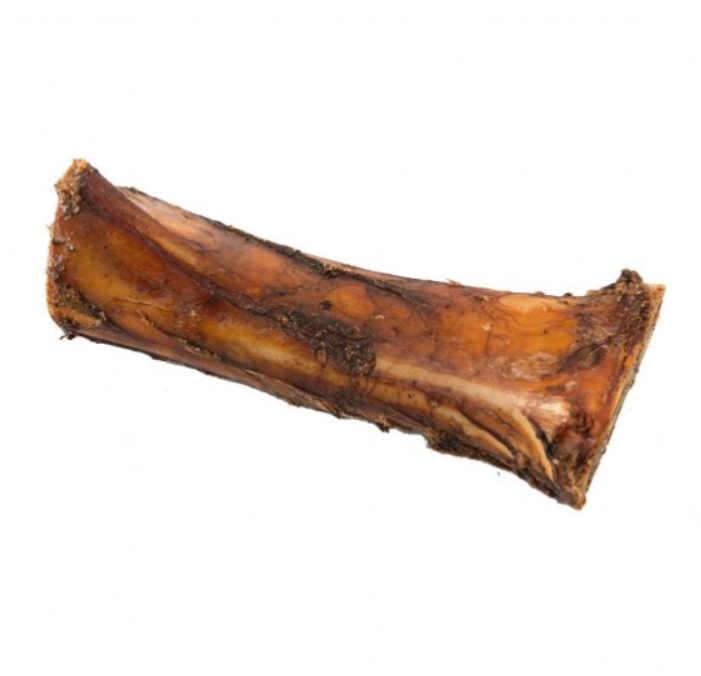
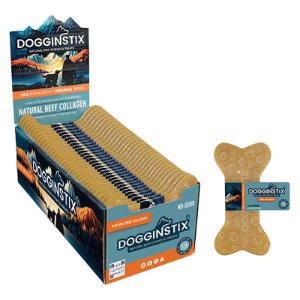
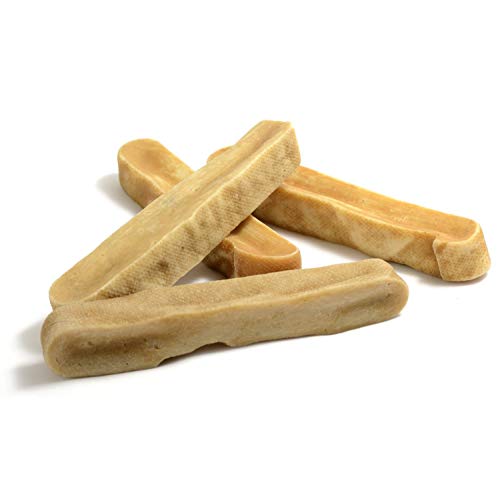
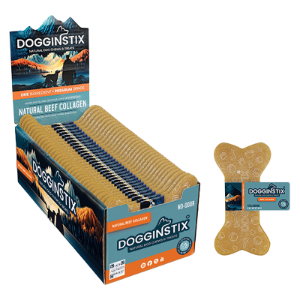
Chewy treats are fantastic for dogs and cats who love to gnaw. These can help satisfy your pet's natural need to chew, alleviating boredom and anxiety. Select treats made from quality ingredients to ensure they are healthy and nutritious.
Natural and Organic Treats
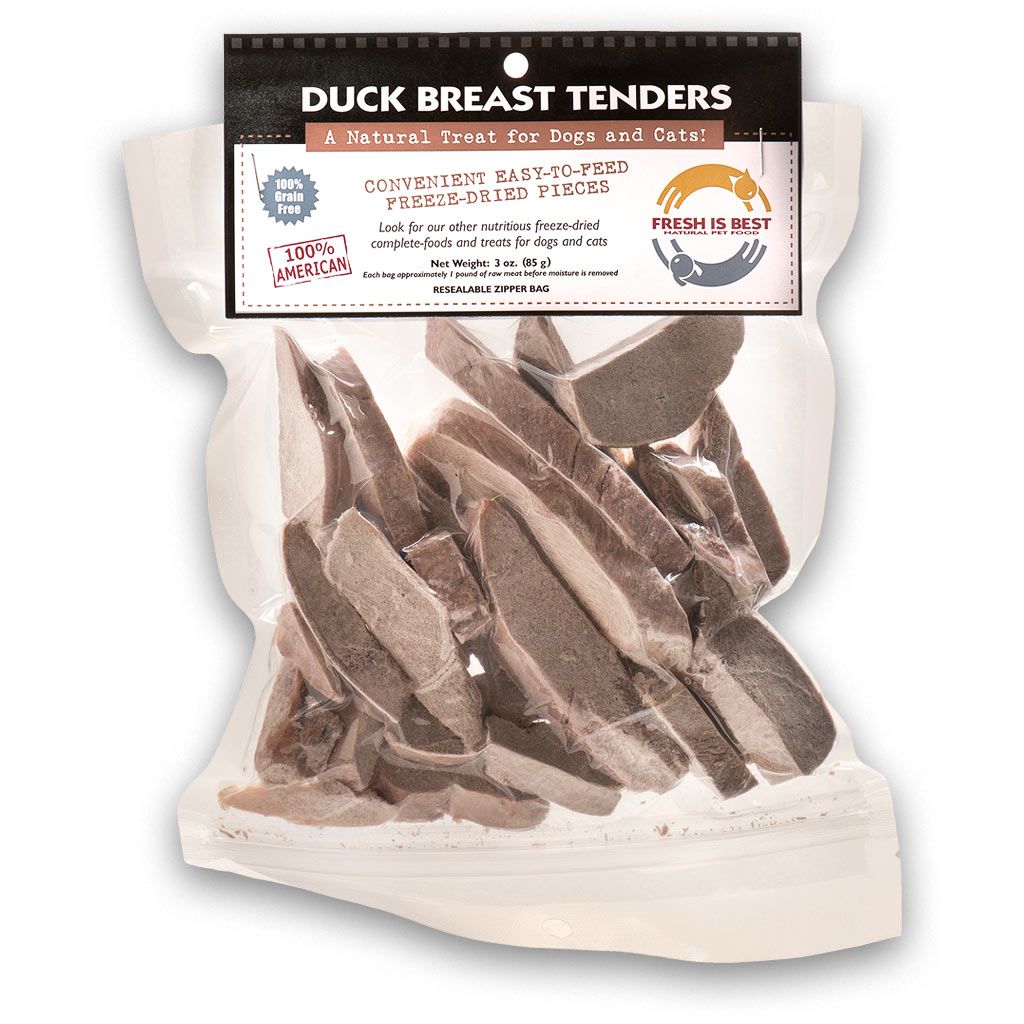
If you prefer to provide your pet with wholesome and nutritious options, consider natural or organic treats. These often contain fewer artificial additives and preservatives, making them a healthier choice for your furry friend. Just like human food labels, familiarize yourself with ingredient lists to make informed choices.
Ingredients Matter
Understanding the label on your pet's treats is crucial. Here are some key ingredients to prioritize and avoid:
Quality Protein Sources
Look for treats that list a high-quality protein source at the top of the ingredient list. This could be chicken, beef, fish, or plant-based proteins. High-quality proteins support your pet's energy levels, muscle strength, and overall health.
Whole Foods and Nutrients
In addition to protein, treats with whole foods such as fruits, vegetables, and whole grains provide essential vitamins and minerals. Ingredients like sweet potatoes, carrots, blueberries, and oats can offer added health benefits while also serving as delicious snacks for your pets.
Ingredients to Avoid
- Artificial Additives: Steer clear of treats containing artificial flavors, colors, or preservatives.
- Excessive Fillers: Avoid treats with a high number of fillers like corn, wheat, and soy, as they provide little nutritional value.
- Sugar and Salt: Treats high in sugar and salt should be limited, as these can contribute to obesity and other health issues.
Assessing Your Pet’s Preferences
Just like humans, pets have individual tastes and preferences. Here are some tips to help you choose treats that your pet will love:
Flavor Testing
Observe which flavors your pet enjoys the most. Do they prefer beef over chicken? Are they fans of peanut butter or pumpkin? You can try various flavors in small amounts to gauge their preferences before settling on a specific type of treat.
Texture Choices
Some pets have preferences for crunchy or chewy textures. Experiment with different styles to see which type your pet enjoys most. A mix of textures can also keep treat time exciting for them.
Allergies and Sensitivities
Keep an eye out for any signs of food allergies or sensitivities after introducing new treats. Symptoms can include itching, digestive upset, vomiting, or changes in behavior. If you notice any of these signs, consult your veterinarian and consider switching to a hypoallergenic option.
Portion Control and Treat Frequency
Proper portion control is vital to maintaining your pet’s health. Treats should only make up a small percentage of your pet's daily caloric intake. Here are some guidelines to help you keep treat time in check:
- Follow Guidelines: Most pet treats come with feeding guidelines based on the pet's weight; adhere to these to avoid overindulgence.
- Use Treats Sparingly: Instead of giving your pet treats as a constant reward, reserve them for special occasions or moments that deserve praise.
- Healthy Alternatives: Consider substituting treats with fresh fruits or vegetables such as carrots or apple slices that are safe for your pet and lower in calories.
Store Safely and Keep It Fresh
How you store your pet treats can influence their freshness and shelf life. Consider the following storage tips to keep treats appealing and safe:
- Keep in a Cool, Dry Place: Store treats away from direct sunlight and moisture to preserve their quality.
- Seal Packaging: If treats come in resealable bags, make sure to seal them tightly after each use to lock in freshness.
- Check Expiration Dates: Always keep an eye on the expiration dates and discard any treats that have gone stale.
The Benefits of Treats
When chosen wisely, treats can offer numerous benefits that go beyond simple enjoyment. Here are a few perks of incorporating treats into your pet's diet:
Positive Reinforcement
Treats can be an effective tool for positive reinforcement in training sessions. Rewarding your pet with a treat when they perform a desired behavior can strengthen their learning and encourage them to follow commands or tricks more readily.
Dental Health
Some treats are specifically designed to promote dental health, reducing plaque and tartar buildup. Including these in your pet's diet can help maintain their oral hygiene and freshness of breath.
Mental Stimulation
Interactive treats or puzzles can provide mental exercise for your pets, promoting cognitive health and preventing boredom. Look for treats that challenge their problem-solving skills and satisfy their natural curiosity.
Gifting Treats: A Great Idea!
Looking for a way to express your love and appreciation for your pet? Treats make an excellent gifting option, whether for holidays, birthdays, or just because! When gifting treats, consider your recipient’s preferences and dietary restrictions to ensure they receive something special that they'll devour and enjoy. Taking the extra time to choose high-quality treats shows you care about their happiness and health.
With the array of pet treats available today, making the right choice may seem daunting. However, by considering your pet's individual needs, testing preferences, and understanding ingredient quality, you can confidently select treats that will not only delight your furry friend but also contribute positively to their health and happiness. Happy treat shopping!
Visit the Shopify or Wix store of a fellow user by following this link to their store. Please note that this is a promotional link, and we are not responsible for the content of the linked store.


No comments
0 comments