



















































































































































































































































































































































NEW ARRIVALS







Winter Walks: Best Practices for Dog Owners

Overview
Winter walks with your dog can be enjoyable and safe with the right gear and strategies. Invest in a good leash, dress your dog appropriately, and time walks during milder weather. Monitor your dog's comfort, manage excitement, and care for their paws. Keep walks engaging with fun activities while ensuring both you and your pup stay warm. Embrace the winter season for rewarding outings and new experiences.
Table of Contents
- Gear Up for Safety
- Choose the Right Leash
- Dress Your Dog Properly
- Know When to Walk
- Watch the Weather
- Basic Temperature Guidelines
- Managing Excitement
- Practice Training Command Work
- Stay Engaged
- Paw Care is Critical
- Inspect Four Paws
- Trim Fur Between the Paws
- Hydration and Nutrition
- Watch for Signs of Discomfort
- Enjoying Socialization Opportunities
- Choose the Right Locations
- Maintain Distance
- Making Winter Walks Fun
- Plan Fun Activities
- Stay Warm Yourself!
- Final Thoughts on Winter Walks
Key Takeaways
- Invest in Quality Gear: Use a reliable neoprene handle leash for better control and comfort during winter walks.
- Dress Your Dog Appropriately: Ensure your dog has a warm coat or sweater and protective boots to safeguard against cold and debris.
- Timing is Key: Walk your dog during milder weather and daylight hours to avoid icy conditions.
- Inspect Paws Regularly: Check your dog's paws for injuries after walks and consider using protective wax or balms.
- Stay Hydrated: Ensure your dog has access to fresh water after walks, even in cold weather.
- Watch for Signs of Discomfort: Be attentive to your dog's behavior; signs like shivering or reluctance to walk may indicate they are too cold.
- Make Walks Fun: Incorporate activities like snow fetch or obstacle courses to keep your dog engaged and active.
Frequently Asked Questions
1. What gear should I invest in for winter dog walks?
2. When is the best time to walk my dog in winter?
3. How can I manage my dog's excitement during winter walks?
4. What should I do to care for my dog's paws in winter?
5. How can I make winter walks fun for my dog?
As the winter chill sets in, dog owners face unique challenges when it comes to walking their furry friends. Cold temperatures, icy sidewalks, and the tendency for pets to get excited can make every winter stroll a task. However, with the right strategies and gear, winter walks can be enjoyable for both you and your dog. Here’s your guide on best practices for dog owners, ensuring safety, comfort, and fun during the cold months.
Gear Up for Safety
The first step in ensuring an enjoyable winter walk is investing in the right gear. Winter weather can bring a number of hazards, and being prepared is vital.
Choose the Right Leash
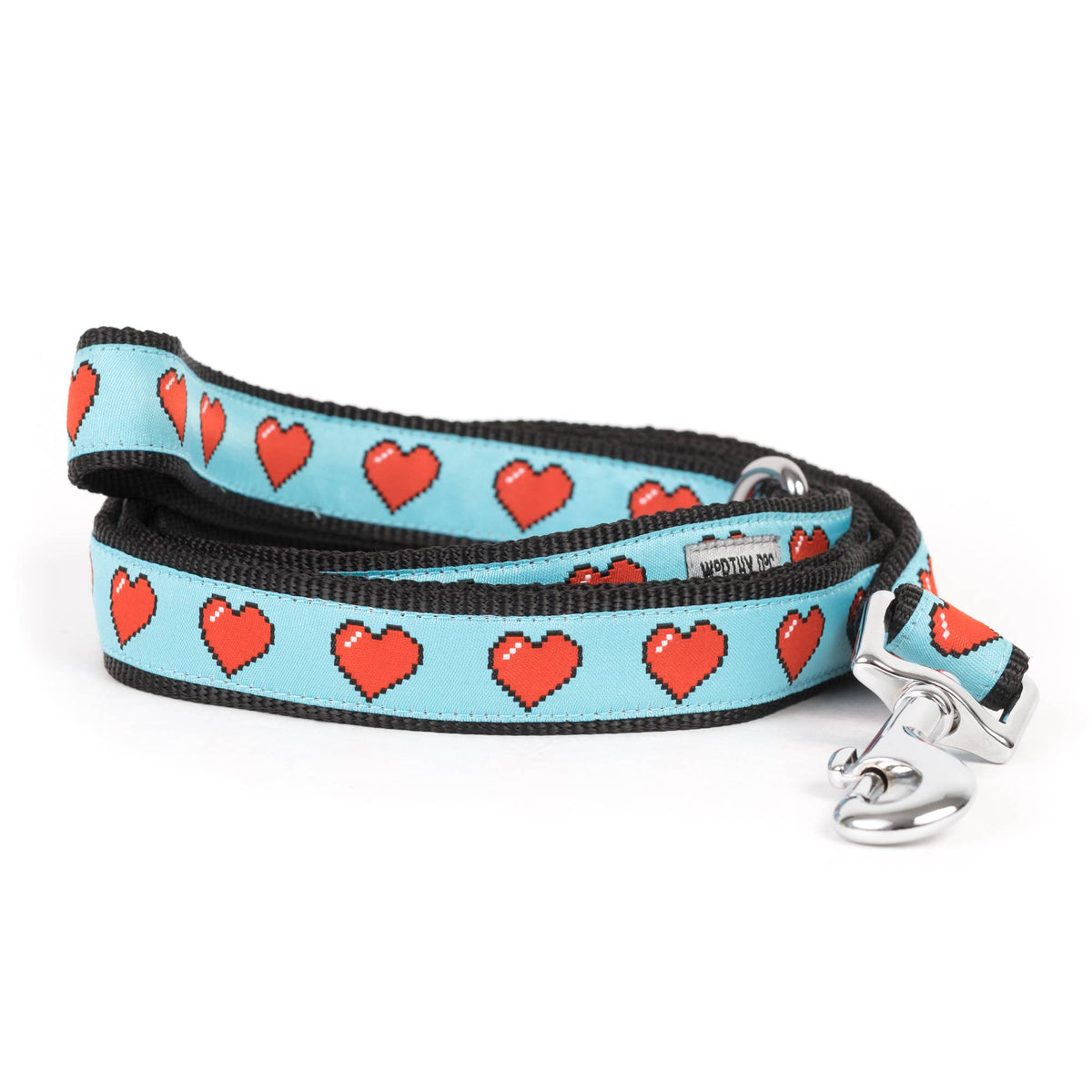
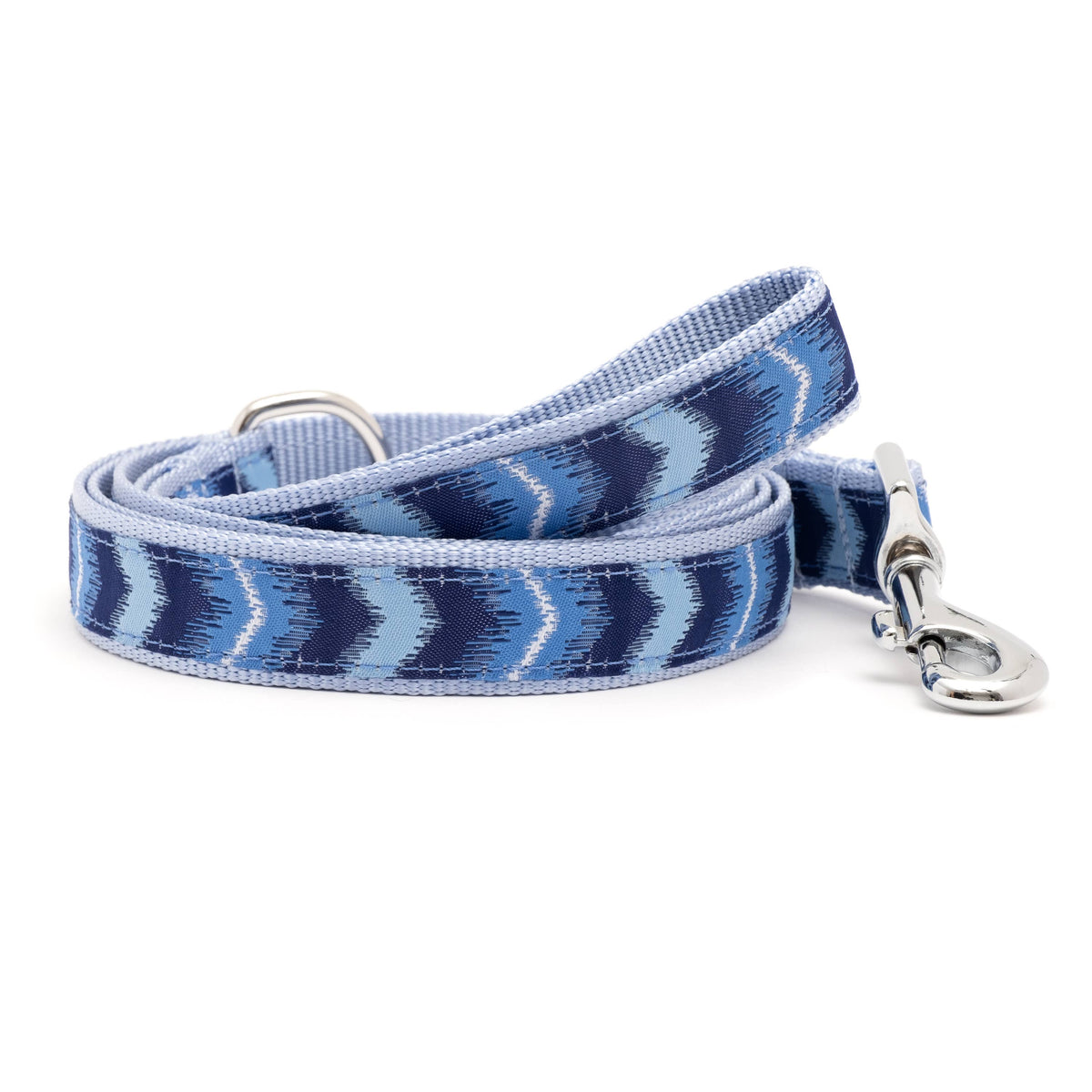
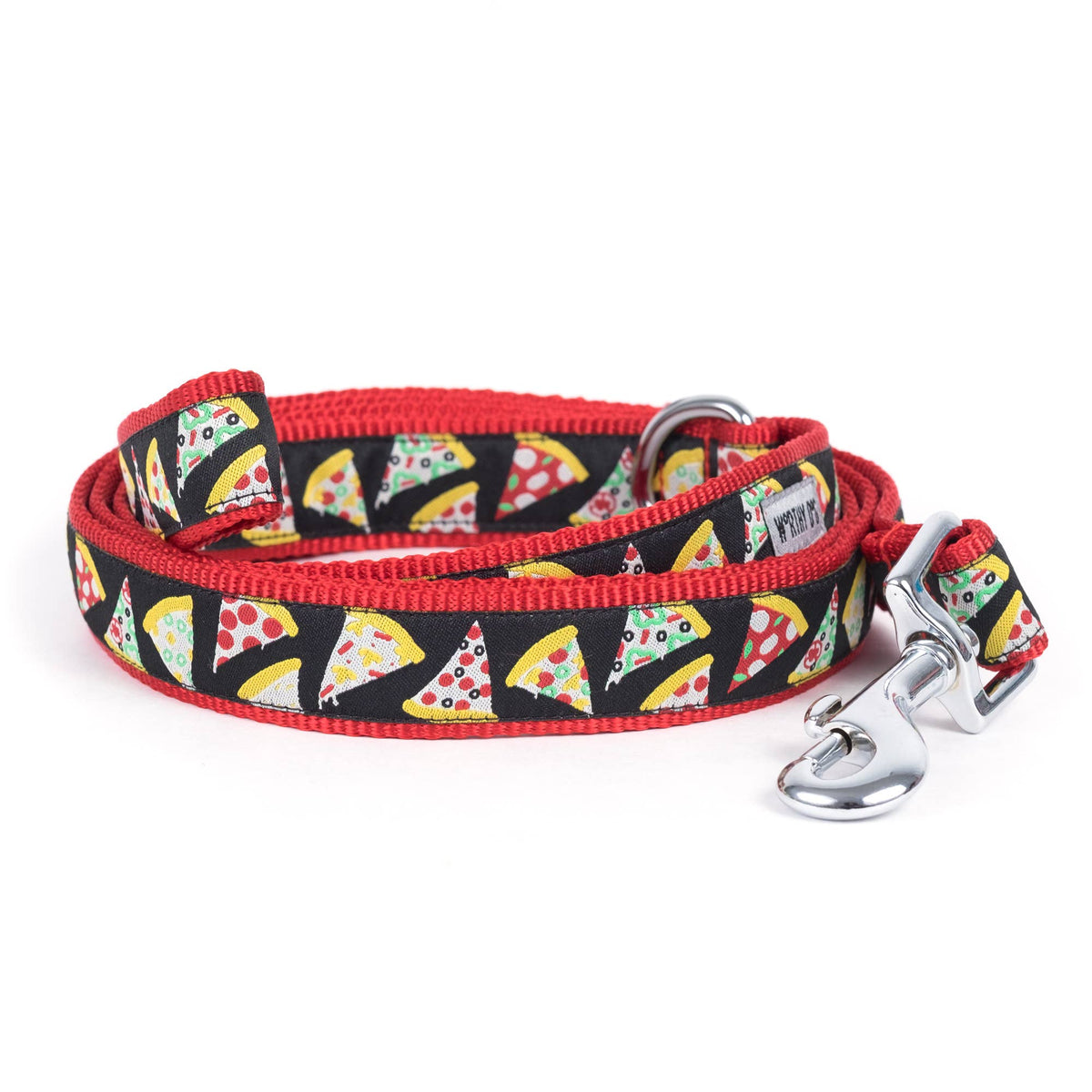
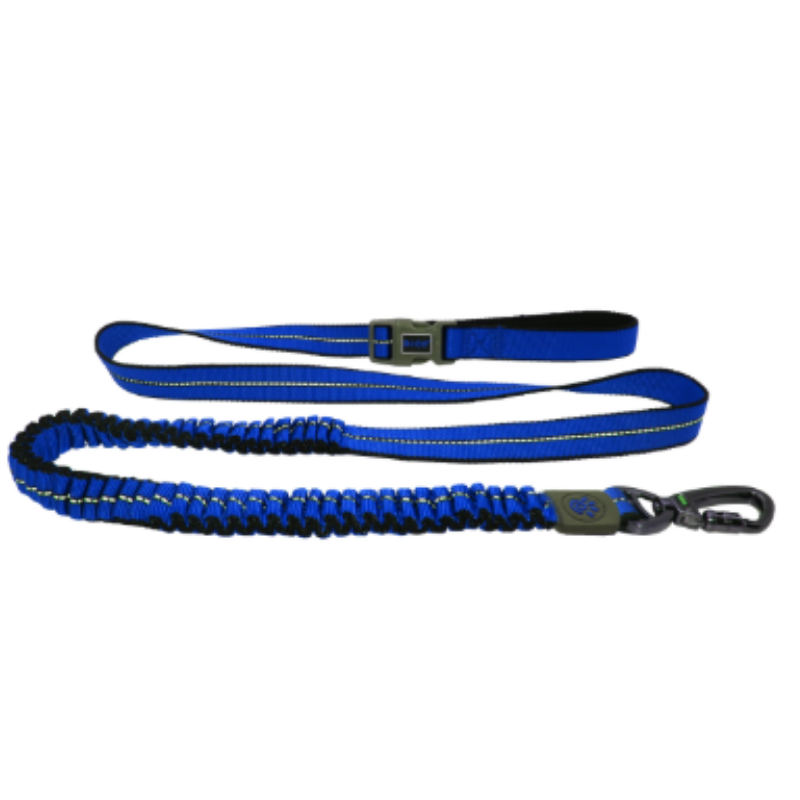
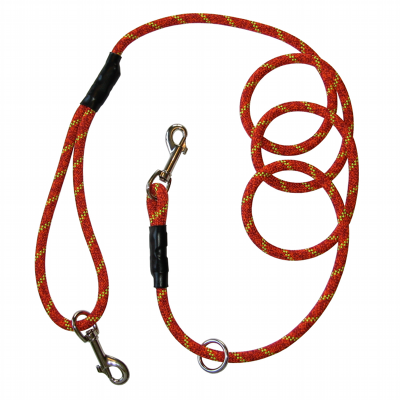
When it comes to walking your dog in winter conditions, a reliable neoprene handle leash is essential. This type of leash offers comfort and grip; ensuring the owner has control over their pet even in slippery conditions. It’s also a great material because it’s easy on your hands, especially if your dog tends to pull during walks, allowing for better control.
Dress Your Dog Properly
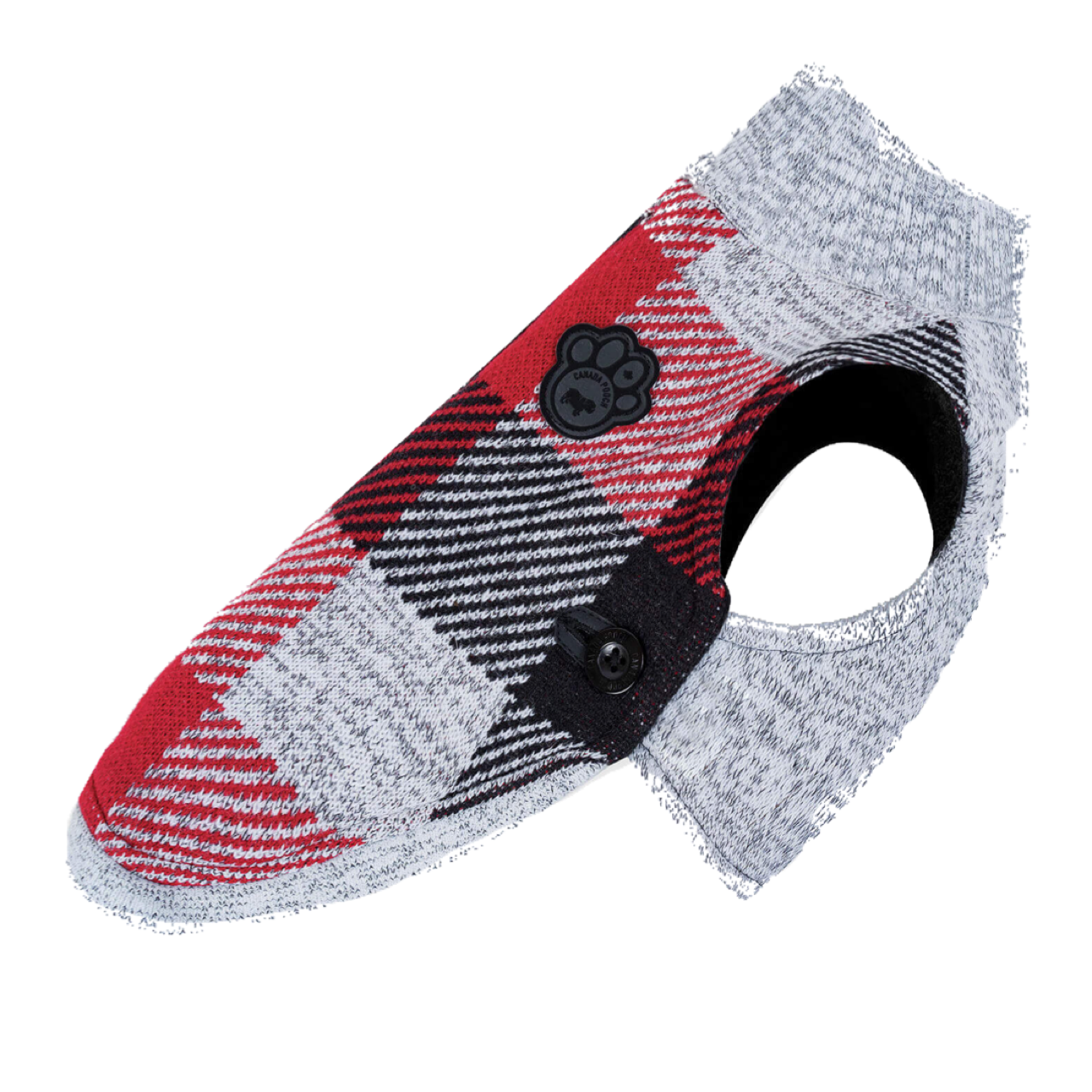
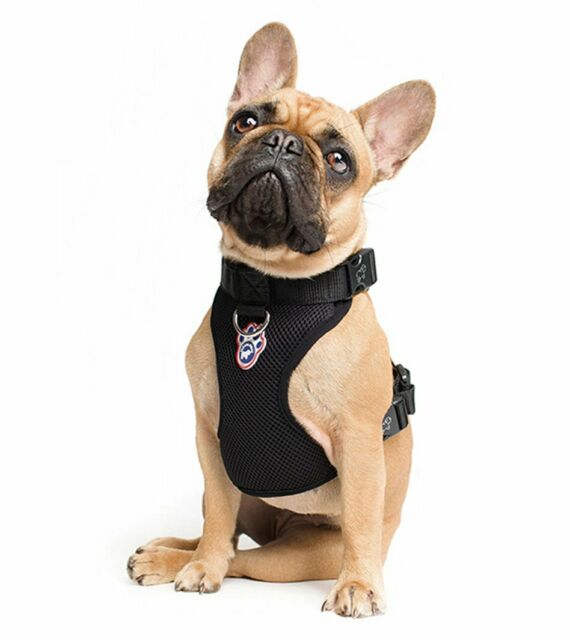
- Coats and Sweaters: Depending on your dog's breed and size, a warm coat or sweater may be necessary. Dogs with short fur can get cold quicker than those with dense coats.
- Boots: Protect your dog's paws from ice, salt, and other winter debris with proper dog boots.
- Reflective Gear: As daylight shortens, having reflective gear can keep both you and your dog safe from traffic.
Know When to Walk
Timing is crucial in winter. Opt for walks when the weather is mild, and the sun is out. This not only makes the experience more pleasant but also reduces the risks associated with ice and snow.
Watch the Weather
Always check the weather before setting out. Extremely low temperatures can lead to frostbite or hypothermia in dogs. If it’s too cold for you, it’s likely too cold for your dog as well. The general rule of thumb is that if it’s too cold for you to be outside comfortably, it’s too cold for your pet.
Basic Temperature Guidelines
- Above 32°F: Most dogs can tolerate outdoor activities with the right precautions.
- 20°F-32°F: Consider shorter walks for smaller dogs and those with thin coats.
- Below 20°F: Limit outdoor time; bring dogs out for brief bathroom breaks only.
Managing Excitement
Winter walks can be exciting for dogs, and they’re likely to act extra spirited due to the cold air and smells. Managing this excitement is important for a peaceful walk. Here are some strategies:
Practice Training Command Work
Before heading out, spend some time working on basic commands like “sit,” “stay,” and “heel.” This will help your dog stay focused and calm during the walk. Using a neoprene handle leash can aid in facilitating better training practices, as it provides more control and comfort for both you and your pet.
Stay Engaged
Bring along toys or treats to keep your dog engaged. This can help channel their excitement into positive behavior. Frequent training breaks can make your walk not only longer but also educational for your furry friend.
Paw Care is Critical
Your dog’s paws are vulnerable during winter months, and proper care is crucial for their safety and comfort.
Inspect Four Paws
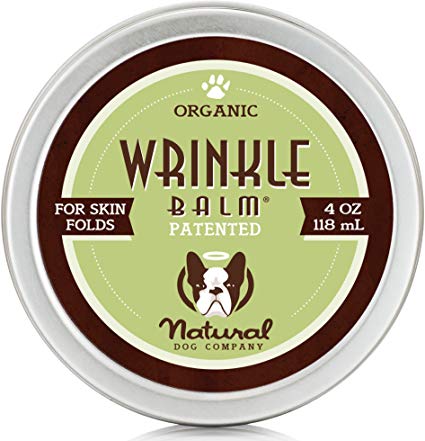
After each walk, check your dog's paws for any cracks, cuts, or lodged snow. Keeping your dog’s paws clean can prevent issues from ice and salt. If salt is used to melt ice in your area, consider using protective wax or paw balms for added protection.
Trim Fur Between the Paws
Excess fur between the paw pads can trap snow and ice, creating discomfort for your dog. Regularly trimming this extra fur during winter can make walks more enjoyable.
Hydration and Nutrition
While dogs may not need as much water in cold weather, hydration is still important. Dehydration can occur, especially when dogs are active. Always ensure your dog has access to fresh water post-walk. Additionally, keeping their diet balanced can provide necessary energy for those chilly adventures.
Watch for Signs of Discomfort
Every dog has its tolerance for cold and even those who love the snow can get cold quickly. Watch for signs of discomfort, which include:
- Shivering or shaking
- Reluctance to walk
- Whining or barking excessively
- Seeking shelter
If you notice these signs, don’t hesitate to cut your walks short until conditions are better.
Enjoying Socialization Opportunities
Winter walks can also be a great opportunity for socializing your dog. However, with the holiday season, you may encounter more people and pets on your walks. Here’s how to manage this effectively:
Choose the Right Locations
Select dog-friendly parks or trails for your winter outings. Avoiding busy streets can help minimize distractions and keep your dog focused. Look for areas where dogs can run and play, ensuring they still get that much-needed exercise.
Maintain Distance
Making Winter Walks Fun
Ultimately, winter walks should be fun for both you and your dog. Incorporating play during your walks can enhance the experience.
Plan Fun Activities
- Snow Fetch: If there’s snow, engage your dog with a game of fetch. The snow will add an extra level of excitement!
- Obstacle Courses: Use natural obstacles like trees and logs for a mini agility course during your walk.
- Local Events: Look for winter events or dog-friendly activities in your community that encourage outdoor adventures.
Stay Warm Yourself!
Don’t forget about your comfort on cold walks. Dress in layers, wear reflective gear, and be mindful of your own needs as well. After all, you can’t care for your pet effectively if you aren’t warm and comfortable yourself.
Final Thoughts on Winter Walks
This winter, embrace the cold and make the most of your walks with your dog. With the right preparations and practices, you and your furry friend can enjoy safe, rewarding, and fun-filled outings. Remember that while winter weather introduces challenges, it also offers opportunities for new experiences and lasting memories. So grab that neoprene handle leash, bundle up, and get ready for some tails of joy this season!
Glossary
| Term | Meaning |
|---|---|
| Neoprene Handle Leash | A comfortable, grip-friendly leash ideal for winter walks. |
| Dog Boots | Protective footwear for dogs to shield paws from cold and debris. |
| Reflective Gear | Clothing or accessories that enhance visibility in low-light conditions. |
| Frostbite | Injury caused by freezing temperatures affecting skin and tissue. |
| Hydration | Ensuring dogs have access to fresh water, even in cold weather. |
| Training Commands | Basic commands like "sit" and "stay" to manage dog behavior. |
| Paw Care | Regular inspection and maintenance of dog's paw health. |
| Socialization | Opportunities for dogs to interact with other pets and people. |
| Obstacle Course | A playful setup using natural elements for dog agility training. |
| Winter Walks | Outdoor activities with dogs during the colder months. |
Linked Product

SASSY WOOF Reflection (Reflective) Dog Leash
The SASSY WOOF Reflection Dog Leash combines safety and comfort for evening walks with your dog. Its reflective design enhances visibility in low-light conditions, while the padded neoprene handle ensures a comfortable grip for pet owners. Additionally, the sturdy D-ring provides a convenient place to attach waste bags or keys, making it a practical choice for daily use.
View Product

No comments
0 comments