






















































































































































































































































































NEW ARRIVALS




The Link Between Diet and Pet Behavior Unveiled

Overview
Diet significantly influences pet behavior, with essential nutrients impacting mood, anxiety, and aggression. Choosing high-quality food, establishing routines, and using supplements can improve your pet's emotional health. Monitor your pet's behavior after dietary changes and consult a veterinarian for tailored advice.
Frequently Asked Questions
1. How does diet influence pet behavior?
2. What are some key nutrients that impact pet behavior?
3. What can I do to choose the right food for my pet?
4. How can feeding practices affect my pet's behavior?
5. Are there supplements that can help with pet behavior?
For pet owners, understanding the behaviors of their furry companions is a vital aspect of caregiving. One key factor that often goes unnoticed in this equation is diet. Just as human nutrition can affect mood and behavior, the same principle applies to our pets. In this blog, we will delve deep into the intriguing connection between diet and pet behavior, exploring how different foods can impact your pet's mental and emotional health.
Understanding Pet Behavior
Before we jump into the specifics of how diet influences pet behavior, it's essential to grasp what pet behavior encompasses. Pets, especially dogs and cats, can exhibit a wide range of behaviors that include:
- Social interactions with humans and other animals
- Playfulness or lack thereof
- Anxiety or aggression
- Eating habits and food preferences
- Training responsiveness
Behavior can be affected by numerous factors, including genetics, environment, and health. However, diet plays a crucial role that often gets overlooked. The food your pet consumes holds the power to influence their emotional state, urge to play, and even their reactions to various situations.
How Diet Affects Behavior
The Role of Nutrients
Just like humans, pets require specific nutrients to thrive. The absence of essential nutrients can lead to behavioral issues. Here are some of the key nutrients that impact pet behavior:
- Protein: Proteins are the building blocks of life and contribute to the synthesis of neurotransmitters, which are critical for mood regulation. A diet low in protein might lead to lethargy and disinterest in activities.
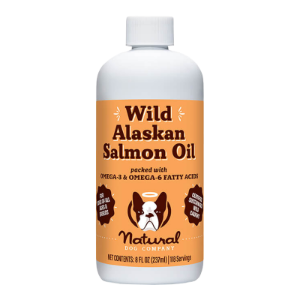
- Omega-3 Fatty Acids: Found in fish oils, omega-3s are known to support brain health and reduce inflammation. Studies have shown that a diet rich in omega-3s can lead to a calmer and more focused pet.
- Vitamins and Minerals: Deficiencies in vitamins such as B1, B12, and minerals like magnesium can lead to increased anxiety and aggression in pets. Ensuring your pet’s diet incorporates a variety of nutrients can mitigate these issues.
- Carbohydrates: Complex carbohydrates provide a steady source of energy and can help to regulate mood. Diets high in sugars or simple carbohydrates may lead to spikes in energy followed by crashes, resulting in irritability.
The Impact of Diet on Specific Behaviors
Let’s explore some specific behaviors and how diet can be a contributing factor:
Anxiety and Stress
Pets suffering from anxiety often display behaviors such as excessive barking, chewing, or pacing. Research indicates that diets rich in omega-3 fatty acids can help reduce anxiety levels in pets. Additionally, including foods rich in tryptophan—an amino acid that helps produce serotonin—can provide calming effects.
Hyperactivity
Many pet owners notice their dogs or cats displaying hyperactive behaviors. This could be linked to high sugar intake in their diet. Foods that are high in sugar can lead to energy spikes, resulting in hyperactive behavior. Switching to a low-glycemic diet could help moderate their energy levels.
Aggression
Aggressive behavior in pets can result from multiple factors, including stress and fear. Nutritional imbalances can exacerbate these feelings. A balanced diet with adequate protein and fatty acids may help in diminishing aggressive tendencies, as good nutrition stabilizes mood and promotes well-being.
Choosing the Right Food for Your Pet
With a better understanding of how diet affects behavior, the next step is selecting the right food for your pet. Here are some practical tips for choosing a diet that promotes positive behavior:
Read the Ingredients
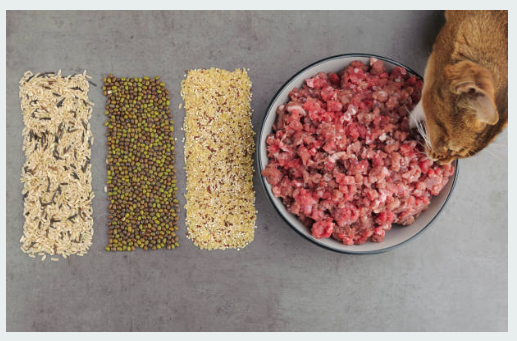
Always read the labels on pet food to ensure that it contains high-quality ingredients. Look for proteins as the first ingredient, followed by whole grains and vegetables. Avoid foods with excessive fillers and artificial additives.
Consult with a Veterinarian
Your veterinarian can help recommend a diet tailored to your pet’s specific needs. They can provide insights into any potential allergies or dietary restrictions, ensuring you choose the best nutrition for your furry friend.
Monitor and Adjust
Every pet is unique, and what works for one may not work for another. Monitor your pet’s behavior closely after introducing a new diet. If you notice improvements, you’ve likely found the right match. If behavioral issues persist, consult with your veterinarian to reassess the diet.
Feeding Practices That Impact Behavior
The way you feed your pet can also affect their overall behavior. The following practices can contribute to a more positive feeding experience:
Establish a Routine
Dogs and cats thrive on routine. Regular feeding times can create a sense of security and predictability. This stability can help reduce anxiety and instill a sense of calm in your pet.
Portion Control
Overfeeding can lead to obesity, which can impact your pet’s overall health and behavior. Ensure you are providing appropriate portion sizes based on your pet's age, size, and energy levels. Maintaining a healthy weight can lead to improved behavior.
Positive Reinforcement
Utilize mealtime as an opportunity for positive reinforcement training. Encourage calm and good behavior during feeding times and reward your pet for their patience. This will not only improve behavior but strengthen your bond with them.
The Role of Pet Supplements
In some cases, despite a balanced diet, pets may still require additional support through supplements. Here are some supplements that are known to positively affect behavior:
Probiotics
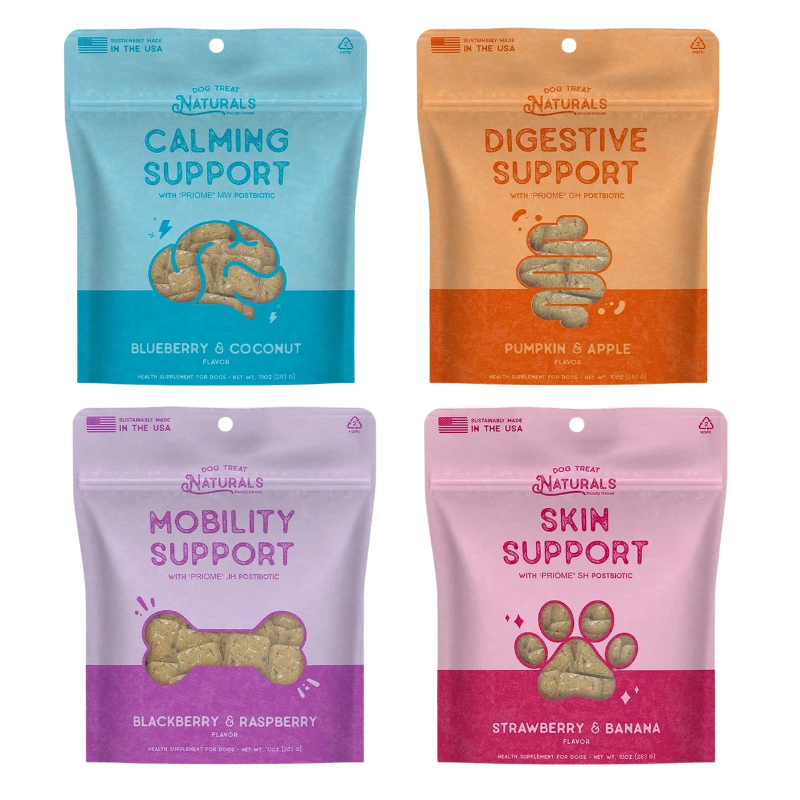
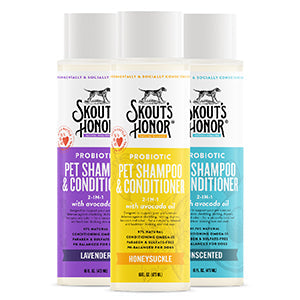
Gut health plays a significant role in overall wellbeing, including behavior. Probiotics can promote a healthy gut microbiome, which may lead to a calmer pet, reducing aggression and anxiety.
Calming Aids
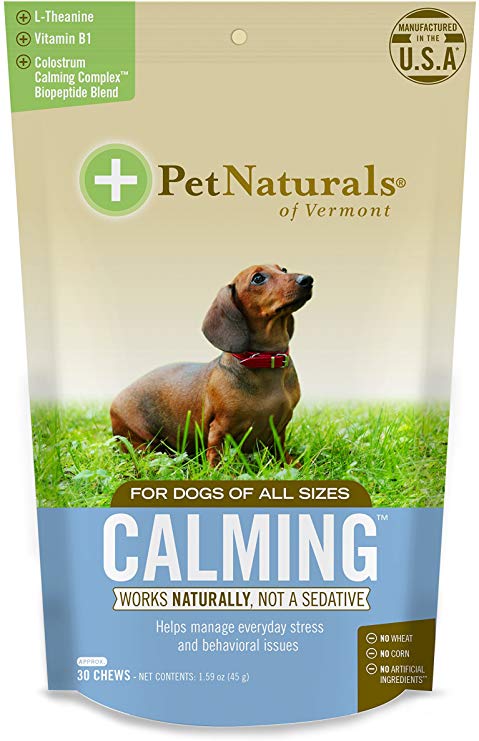
Natural calming supplements designed specifically for pets can help manage stress. These often include ingredients like chamomile or valerian root and can be beneficial for particularly anxious pets.
Real-Life Examples of Diet Effects
Many pet owners have shared their experiences regarding how dietary changes affected their pets’ behaviors positively. Here are a couple of narratives that illustrate this transformative connection:
The Case of Bella the Beagle
Bella was a hyperactive beagle who seemed to have endless energy. After consulting with her veterinarian, her owner switched to a diet low in sugar and high in protein. Within weeks, Bella's energy levels evened out, leading to a calmer and more manageable pet.
Max and His Mood Swings
Max, a dog known for mood swings, displayed aggressive tendencies toward new visitors. Once his owner altered his diet to include more omega-3 fatty acids, along with consistent feeding routines, Max became more social and friendly, showcasing the power of nutrition on behavior.
How to Train for Behavioral Improvement
While dietary changes can significantly influence behavior, training also plays a crucial role. Incorporating consistent training exercises alongside a balanced diet can work wonders in enhancing your pet's behavior:
Basic Obedience Training
Teach your pet commands like sit, stay, and come. Reward them with praise or treats when they comply. Basic training builds a strong foundation for good behavior and enhances the bond between you and your pet.
Socialization
Socialize your pet with other animals and humans to reduce anxiety around new experiences. The more exposure they get in a controlled manner, the more comfortable and confident they will become.
Final Thoughts on Diet and Behavior
Understanding the link between diet and pet behavior is crucial for the overall well-being of your furry friends. By choosing high-quality, well-balanced diets, a regular feeding routine, and incorporating supplements when necessary, you can create an environment that fosters positive behaviors. Remember, the journey of nourishing your pet goes beyond just feeding; it's about nurturing both their body and soul for a happier, more harmonious life together. Investing in their nutrition today can lead to a brighter future for your beloved companions.


No comments
0 comments