












































































































































































































































































































































































NEW ARRIVALS








The Essential Role of Carbs in Your Pet's Diet

Overview
Carbohydrates are essential for your pet's health, providing energy, supporting brain function, and promoting digestion. This article explains the importance of carbohydrates, the best types to include in your pet's diet (like whole grains, fruits, and vegetables), and how to incorporate them effectively. It also debunks common myths about pet diets and emphasizes the need for a balanced approach to nutrition for a happy and healthy pet.
Frequently Asked Questions
1. Why are carbohydrates important in my pet's diet?
2. What types of carbohydrates are best for pets?
3. How should I introduce carbohydrates into my pet's diet?
4. Are there any myths about carbohydrates in pet diets?
5. How can I monitor my pet's health after dietary changes?
As a pet owner, ensuring your furry friend leads a healthy and vibrant life is your utmost priority. One of the most critical aspects of any pet's nutrition is the role of carbohydrates. While many people believe that carbohydrates should be avoided in a pet’s diet, they actually play an essential role. This article unpacks the significance of carbohydrates, what types are best for your pet, and how to integrate them effectively into your pet's diet.
Understanding Carbohydrates
Carbohydrates are one of the three main macronutrients essential for life, alongside proteins and fats. They serve as a primary source of energy for both humans and pets. In its simplest form, carbohydrates can be classified into three categories: sugars, starches, and fiber. Understanding how each of these contributes to your pet's health is crucial.
Sugars
Sugars are simple carbohydrates that are broken down quickly in the body, providing immediate energy. For pets, sugars can come from various sources, including fruits and vegetables. However, it’s essential to provide these in moderation to avoid health issues like obesity and diabetes.
Starches
Starches are complex carbohydrates, offering a more sustained and steady source of energy. They require more time for digestion and are found in grains, legumes, and tubers. Including a controlled amount of starch in your pet’s diet can provide them with the energy they need for daily activities.
Fiber
Fiber is a form of carbohydrate that is not digested by your pet's body but plays an essential role in promoting a healthy digestive system. Fiber helps regulate bowel movements and can also help your pet maintain a healthy weight by promoting feelings of fullness.
Why Carbohydrates Matter
Carbohydrates play several vital roles in your pet's overall health. Let’s delve deeper into the significant contributions carbohydrates make to your pet’s diet.
Energy Production
The primary role of carbohydrates is to provide energy. Your pet needs energy to engage in day-to-day activities like playing, walking, and even resting. Adequate carbohydrate intake ensures your pet remains active and lively.
Brain Function
Just like humans, pets require a constant supply of energy for optimal brain function. The brain primarily uses glucose (derived from carbohydrates) for energy. A diet that includes enough carbohydrates can contribute to enhanced cognitive functions and better mood stability.
Healthy Digestion
Fiber, a vital carbohydrate, plays a unique role in promoting digestive health. Just as it helps humans feel full, it also aids pets in maintaining a healthy weight by keeping them satiated longer. Fiber also adds bulk to your pet's stool, facilitating regular bowel movements and establishing a healthy gut flora.
Building and Repairing Tissues
While proteins are known for their role in building and repairing tissues, carbohydrates can also contribute indirectly. When your pet’s energy needs are met primarily through carbohydrates, proteins are freed up to perform their key role in tissue repair rather than just serving as a quick energy source.
Choosing the Right Carbohydrates for Your Pet
Not all carbohydrates are created equal. As a pet owner, understanding which carbohydrates are healthiest for your furry friend can lead to better health outcomes. Here are some pet-friendly carbohydrate sources:
Whole Grains
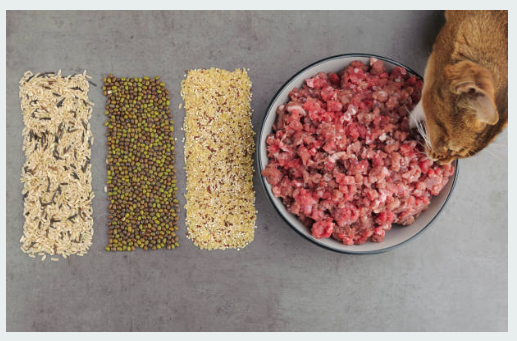
Whole grains like brown rice, quinoa, and oats are excellent sources of complex carbohydrates. They provide sustained energy and are rich in nutrients, making them a valuable component of your pet's diet.
Fruits and Vegetables
Certain fruits and vegetables can offer not just carbohydrates but also valuable vitamins and minerals. Sweet potatoes, peas, apples, and blueberries are all nutritious options that your pet may enjoy. Remember to introduce these gradually and in moderation.
Pulses
Pulses like lentils and chickpeas are high in protein and fiber, making them an excellent addition to enhance your pet’s carbohydrate intake. They can improve intestinal health due to their high fiber content and beneficial nutrients.
How to Incorporate Carbs in Your Pet's Diet
Integrating carbohydrates into your pet's diet doesn't have to be complicated. Here are some practical tips:
Start Slow
When adding new carbohydrate sources, introduce them gradually to avoid digestive upsets. Monitor your pet for any signs of allergies or intolerances.
Mix It Up
Adding variety will ensure your pet receives a balanced diet. Mix different types of carbohydrates into their meals, ranging from whole grains to fruits and vegetables.
Use Carbs Wisely in Treats
Instead of commercial treats packed with sugars or unhealthy fillers, consider making homemade treats using healthy carbohydrates. They can serve as nutritious snacks while still providing enjoyment.
Common Myths About Carbohydrates in Pet Diets
Despite the known benefits, there are several misconceptions surrounding carbohydrates in pet diets. Let’s debunk some myths:
Myth: Carbohydrates Make Pets Fat
While it's true that excess calories—whether from fats, proteins, or carbohydrates—can lead to weight gain, carbohydrates themselves are not inherently fattening. Quality and portion size matter more than the macronutrient itself.
Myth: Pets Don’t Need Carbs at All
Pets require a balanced diet, which includes carbohydrates. In fact, a complete absence of carbohydrates can lead to deficiencies and health problems. A proper balance contributes to optimal health and energy levels.
Myth: Only Dogs Need Carbohydrates
Dogs do have a higher tolerance for carbohydrates compared to cats; however, cats can still benefit from the right types of carbs in moderation. Always consult your veterinarian about the best dietary choices for your pets.
Tracking Your Pet's Health
As a responsible pet owner, it’s essential to monitor your pet's health over time, especially after making dietary changes. Here are some indicators of a healthy diet:
Regular Vet Check-ups
Schedule regular vet visits to ensure your pet remains in good health. Your veterinarian can provide valuable guidance on your pet's dietary needs based on their age, breed, and activity level.
Keep an Eye on Weight
Monitor your pet’s weight to ensure they are maintaining a healthy size. If they gain or lose weight significantly, it may be time to reassess their diet and consult your veterinarian.
Behavioral Changes
Watch for changes in behavior, energy levels, or their coat's condition. Any significant changes might indicate that your pet's nutritional needs are not being met and may require adjustments.
What's Next for Your Pet's Diet?
The inclusion of carbohydrates in your pet's diet isn't just beneficial—it’s essential for their overall health and vitality. Understanding the importance of carbohydrates and choosing the right types can lead to a healthier, happier pet. As you embark on this journey towards better nutrition for your furry companion, consider how your decisions about their diet can impact their life quality in the long run. A nutritious, well-balanced diet is a gift that every pet owner can give and is sure to pay off with wagging tails and happy purrs!


No comments
0 comments